

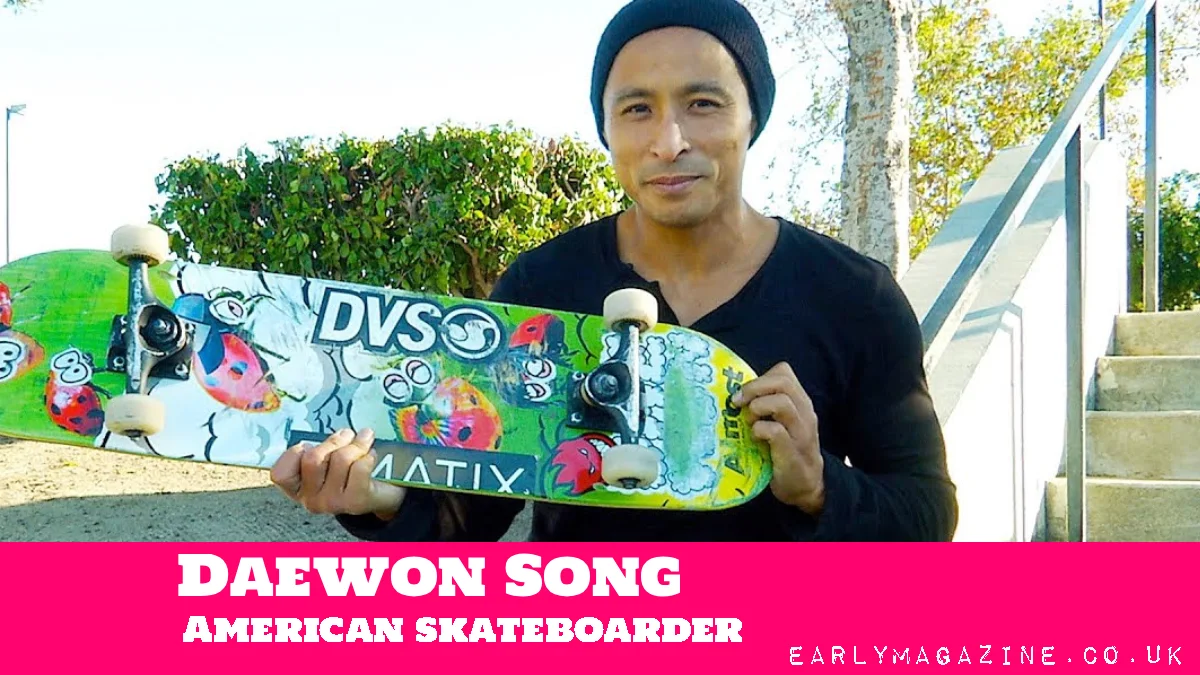

Daewon Song has an estimated net worth of $3 million. The professional skateboarder earned his fortune through co-founding Almost Skateboards and Thank You Skateboards, securing lucrative sponsorships with brands like Adidas, DVS Shoes, and Tensor Trucks, plus signature product lines and social media monetization.
When you think of skateboarding legends who’ve mastered both the board and the business side of the sport, Daewon Song stands out. This Korean-American skater didn’t just redefine technical street skating—he built a financial empire that reflects decades of dedication, innovation, and smart business moves.
Daewon Song net worth is estimated at $3 million as of 2024, though some sources report figures ranging from $1.2 million to $3 million. His wealth comes from multiple revenue streams, including skateboard company ownership, brand sponsorships, signature products, and social media influence spanning over three decades in professional skateboarding.
This article breaks down how Song accumulated his wealth, the business ventures that contributed to his financial success, and what makes his career one of the most financially successful in skateboarding history.
Who Is Daewon Song?
Born on February 19, 1975, in Seoul, South Korea, Daewon Song moved to the United States as a child. He spent time with his grandmother in Hawaii before settling in Gardena, California. His skateboarding journey began at 14 during a difficult period when his parents separated.
Song quickly caught the attention of Rodney Mullen, one of skateboarding’s most influential figures, who spotted him skating at his school. This chance meeting launched a friendship and mentorship that would shape Song’s entire career.
At just 16 years old, Song signed his first major sponsorship with World Industries. His appearance in the 1992 video “Love Child” showcased his technical abilities and documented the first hardflip on film—cementing his place in skateboarding history.
Breaking Down Daewon Song’s Income Sources
Business Ownership
Song’s most significant wealth builder comes from co-founding skateboard companies. In 2003, he partnered with Rodney Mullen to launch Almost Skateboards under Dwindle Distribution. The company became a cornerstone brand in skateboarding, known for its technical focus and quality products.
After nearly 30 years with Dwindle Distribution, Song made a bold move in 2018. He left Almost Skateboards to co-found Thank You Skateboards with fellow professional Torey Pudwill. This decision demonstrated his entrepreneurial spirit and willingness to take calculated risks even after decades of success.
Song also co-founded Matix Clothing in 1998 with Tim Gavin. The apparel company added another revenue stream to his portfolio and showcased his ability to identify business opportunities beyond skateboard decks.
Brand Sponsorships
Long-term sponsorship deals form the backbone of Song’s steady income. These partnerships extend far beyond simply wearing logos—they involve product design collaboration, promotional appearances, and royalties from signature items.
His current sponsors include:
- Thank You Skateboards (company owner)
- Adidas Skateboarding (footwear)
- Spitfire Wheels
- Tensor Trucks
- Andale Bearings
- MOB Griptape
Song’s relationship with DVS Shoes lasted 19 years before switching to Adidas in 2016. Interestingly, he revealed that he actually earned more with DVS than with Adidas—debunking assumptions that he “sold out” for a bigger paycheque. This shows his decision was based on factors beyond money, including creative direction and company culture.
Signature Products
Creating signature products generates additional income through royalties and sales commissions. Song released 12 signature shoe models with DVS Shoes alone, with a 13th announced in 2012. Each shoe model represents both a creative collaboration and a revenue opportunity.
His Adidas signature shoes continue this tradition, allowing him to influence product design while earning from successful sales. Signature products work particularly well for Song because his technical style appeals to serious skateboarders willing to invest in quality equipment.
Video Parts and Content
While not always directly monetized, Song’s legendary video parts boosted his marketability and sponsorship value. The “Rodney vs. Daewon” trilogy from the late 1990s and early 2000s remains iconic in skateboarding culture.
His Instagram account (@daewon1song) has over 1 million followers, creating opportunities for social media monetization. According to platform analytics, his estimated annual income from social media ranges from $170,000 to $233,000, adding a modern revenue stream to his traditional skateboarding income.
Career Highlights That Built His Brand Value
Awards and Recognition
Thrasher Magazine named Song “Skater of the Year” in 2006—one of skateboarding’s highest honors. This recognition increased his visibility and sponsorship appeal significantly.
In 2017, he was inducted into the Skateboarding Hall of Fame, cementing his legacy as one of the sport’s all-time greats. TransWorld Skateboarding ranked him 29th on their “Most Influential Skateboarders of All Time” list in 2011.
Technical Innovation
Song’s technical abilities set him apart. He pioneered tricks on unconventional terrain—rocks, tree stumps, picnic tables—showing creativity that captured attention. His manual combinations and board control remain unmatched even as he approaches 50 years old.
DGK founder Stevie Williams identified Song and Mullen as the most influential skateboarders in the sport’s history, highlighting his lasting impact on technical street skating.
Documentary and Media
The 2019 documentary “DAEWON,” produced by adidas Skateboarding and TransWorld Skateboarding, provided a comprehensive look at his career. Features from skateboarding legends like Tony Hawk, Rodney Mullen, and Mark Gonzales reinforced his status.
Song also appeared as a playable character in multiple Tony Hawk video games, including “Tony Hawk’s American Wasteland” and subsequent releases. This exposure to mainstream gaming audiences expanded his brand beyond core skateboarding fans.
Comparing Daewon Song Net Worth to Other Skaters
Understanding Song’s financial position requires context. Here’s how his wealth compares to other professional skateboarders:
| Skateboarder | Estimated Net Worth | Primary Income Sources |
|---|---|---|
| Tony Hawk | $140 million | Video games, brand empire, media |
| Rob Dyrdek | $200 million | Reality TV, business ventures |
| Rodney Mullen | $3 million | Company ownership, innovation |
| Daewon Song | $3 million | Company ownership, sponsorships |
| Eric Koston | $15 million | Nike SB, competitions, media |
| Ryan Sheckler | $2 million | MTV shows, competitions |
Song net worth aligns closely with Rodney Mullen’s, which makes sense given their similar career paths focused on technical innovation and company ownership rather than mainstream media exposure. While he hasn’t reached the financial heights of Tony Hawk or Rob Dyrdek—who leveraged media and entertainment—Song’s wealth reflects a successful career built on skateboarding authenticity.
Personal Life and Spending Habits
Song maintains a relatively private personal life. He’s married to Shumate W. Song, and they have one son named Adonis. The family resides in San Pedro, California.
Those close to Song describe him as remarkably humble and frugal despite his success. Luis Cruz, who runs Almost alongside Song and Mullen, shared stories of Song skating in worn-out shoes with toes popping through—even though he has signature shoe deals. Song would tape shoes instead of immediately ordering new ones.
This down-to-earth approach extends to his skateboard setup. He’s ridden essentially the same board shape for over 17 years with only minor adjustments. He prefers having just what he needs rather than accumulating surplus gear, even when he could easily get free products from sponsors.
Challenges and Comeback Stories
Song’s career nearly ended in 1996 following a severe ankle injury. He seriously considered quitting skateboarding and pursued car modification instead. During this period, he dated a member of the Bloods gang in Long Beach and entered a dark chapter of his life.
A phone call from Rodney Mullen changed everything. Mullen’s encouragement brought Song back to skateboarding, demonstrating the importance of mentorship and friendship in his career. This comeback story adds depth to his financial success—showing that wealth comes from persistence through difficult times.
In 2012, Song suffered another significant ankle injury at World Park that made skateboarding seem impossible. Again, he found the determination to return, showing the mental toughness that contributed to his long-term success.
Current Activities and Future Ventures
At nearly 50 years old, Song remains actively involved in skateboarding. He continues skating daily, often starting at 8:30 a.m. and skating until late afternoon or evening. His dedication hasn’t diminished with age.
He’s actively involved in Thank You Skateboards operations, focusing on creating sustainable business practices and hiring employees to build careers in skateboarding. This approach reflects his commitment to giving back to the community that supported his success.
Song’s Instagram presence keeps him relevant to younger generations. His daily clips showcase technical wizardry that still impresses professional skateboarders decades younger. This ongoing visibility maintains his marketability and sponsorship appeal.
Frequently Asked Questions
How does Daewon Song make money?
Song earns through company ownership (Thank You Skateboards), brand sponsorships (Adidas, Tensor, Spitfire), signature product royalties, and social media content monetization.
Why did Daewon Song leave Almost Skateboards?
After 30 years with Dwindle Distribution, Song wanted a fresh start and creative freedom. He co-founded Thank You Skateboards with Torey Pudwill in 2018.
Is Daewon Song still skating professionally?
Yes, Song actively skates daily at age 49 and continues releasing impressive video content through his social media channels and Thank You Skateboards projects.
What is Daewon Song’s most famous trick?
Song documented the first hardflip on film in “Love Child” (1992) and is renowned for technical manual combinations and skating unconventional terrain.
How much does Daewon Song earn from Instagram?
Estimates suggest Song earns approximately $170,000-$233,000 annually from social media monetization across his platforms with over 1 million Instagram followers.
Conclusion
Daewon Song’s $3 million net worth represents more than financial success—it reflects a career built on innovation, authenticity, and smart business decisions. From his early days being discovered by Rodney Mullen to co-founding multiple successful companies, Song crafted a blueprint for sustainable success in professional skateboarding.
His wealth comes not from chasing mainstream fame but from mastering his craft, building lasting relationships with brands, and creating businesses that serve the skateboarding community. As he continues skating and inspiring new generations, Song proves that staying true to your passion can lead to both artistic and financial fulfillment. His story reminds us that in skateboarding—as in life—longevity and dedication often matter more than fleeting viral moments.
For more insights into how modern icons navigate fame and fortune, visit EarlyMagazine UK—where boundary-breaking careers and financial wisdom come together.
