

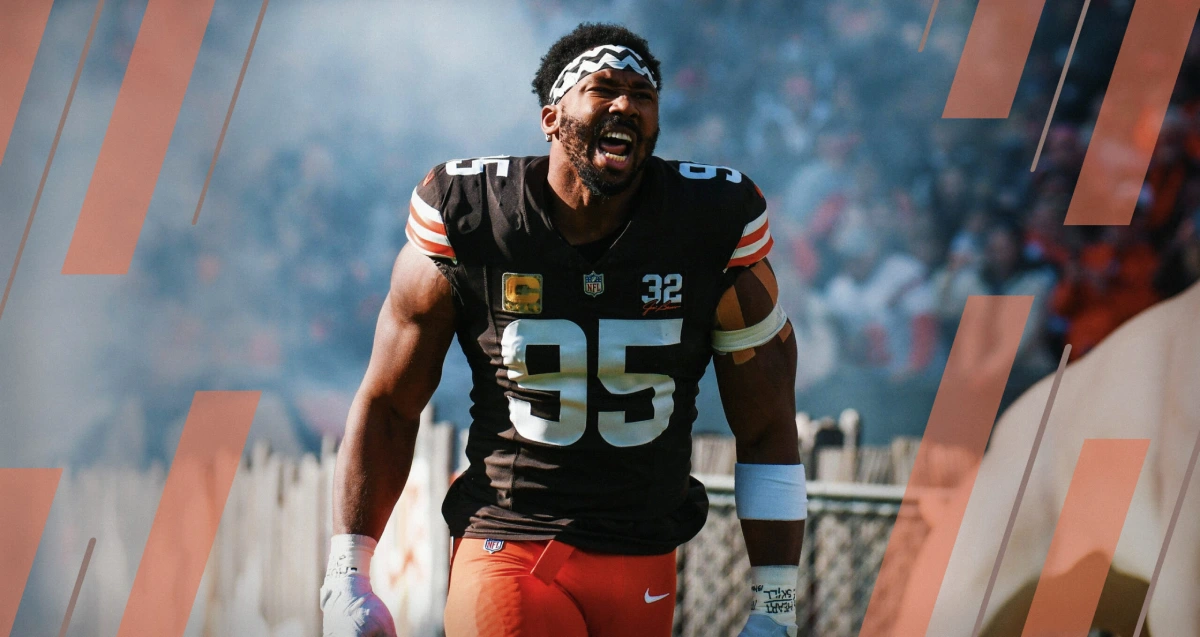
The popular claim that 78% of NFL players go broke within two years of retiring is not backed by real data. A 2015 National Bureau of Economic Research study found only 1.9% of NFL players filed for bankruptcy within two years of retiring — nearly the same rate as the general public.
The Statistic Everyone Keeps Repeating
You’ve heard it a hundred times. Someone on a sports podcast, a TV analyst, or even a retired NFL star drops a jaw-dropping number. “78% of pro athletes go broke within two years of retiring.” It sounds shocking. It feels true. And it gets repeated constantly.
Just recently, former NFL defensive tackle Ndamukong Suh said it during NFL Draft week when asked to give advice to incoming rookies. He even shared the claim across his social media pages. Major outlets like Fox Business, CNBC, and Yahoo Finance have all run with similar versions of this figure — no questions asked.
But here’s the thing: that statistic is almost certainly wrong. And it’s been wrong for a long time.
Where Did This Claim Actually Come From?
The origin traces back to a March 2009 Sports Illustrated feature titled “How (and Why) Athletes Go Broke.” The article included two claims that spread like wildfire across the internet:
From the original 2009 Sports Illustrated article
“By the time they have been retired for two years, 78% of former NFL players have gone bankrupt or are under financial stress because of joblessness or divorce.”Same article, on NBA players
“Within five years of retirement, an estimated 60% of former NBA players are broke.”
These numbers got picked up, republished, and mutated across media for over 17 years. But here’s the problem: the Sports Illustrated author didn’t cite a scientific study or a peer-reviewed dataset. The source was simply “reports from a host of sources (athletes, players’ associations, agents and financial advisers).” That’s not research. That’s educated guessing from people with a personal stake in the topic.
What Real Research Actually Found
In 2015, the National Bureau of Economic Research (NBER) set out to get an actual answer. They studied real bankruptcy filings from roughly 2,000 players drafted by NFL teams between 1996 and 2003. This was real data — not vibes.
1.9%NFL players who filed for bankruptcy within 2 years of retiring
15.7%NFL players who filed within 12 years of retiring~19Estimated real bankruptcies per year (not 780 as SI suggested)
≈ SameBankruptcy rate vs general public — nearly identical
Yes — professional athletes go bankrupt at almost the exact same rate as regular people. Despite earning far more money in a shorter window, they aren’t uniquely prone to financial ruin. The headline-grabbing myth just never held up to scrutiny.
How the Math Makes the Myth Look Even Worse
Let’s put this in real numbers. Across the NFL, NHL, MLB, and NBA, roughly 3,660 active professional athletes play in any given season. Using average career lengths across all four leagues, about 900 players retire every year.
Around 500 of those are NFL players, since the league is large and NFL careers tend to be short. That creates a rolling pool of about 1,000 NFL players in their first two years of retirement at any given time.
If the Sports Illustrated stat were true, 780 of those 1,000 men would be financially broken. The NBER data says the real number is around 19. That’s a massive difference. It’s the difference between a crisis and a non-story.
Why Does This Myth Keep Spreading?
The story is emotionally compelling. Rich athletes losing it all is a dramatic narrative. It fits a certain moral lesson people want to hear — that money doesn’t bring happiness, that fast wealth leads to fast ruin. It’s a great cautionary tale.
It also gets repeated by people who seem credible — former athletes, financial advisors, major news outlets. That creates a feedback loop. Once Fox Business, CNBC, and Yahoo Finance all print a statistic confidently, it feels verified. But none of them appear to have traced it back to its original, uncited source.
The person most quoted in the original 2009 Sports Illustrated article — a financial advisor whose name appears 19 times in that piece — later became known for spreading a very different unverified story: the Seth Rich conspiracy theory. He eventually issued a public apology and retraction after a lawsuit. That doesn’t prove the athlete finance claims were wrong, but it does add important context about the credibility of the source.
What This Means for Athletes and the Industry
This myth causes real harm. Young players entering the NFL, NBA, MLB, and NHL hear these inflated numbers and may make financial decisions based on fear rather than facts. It also creates an unfair image of athletes as financially irresponsible — when the data shows they handle money about as well as everyone else.
Financial literacy in sports is genuinely important. Athletes do face unique challenges: short careers, irregular income, sudden lifestyle changes, and pressure from family and friends. These are real issues worth discussing. But they deserve an honest conversation built on real numbers — not recycled, uncited claims from a 2009 magazine article.
Key Facts at a Glance
| Original source | 2009 Sports Illustrated article — no peer-reviewed data |
| Claim | 78% of NFL players broke within 2 years of retiring |
| NBER finding (2015) | 1.9% file for bankruptcy within 2 years — same as general public |
| 12-year bankruptcy rate | 15.7% of studied NFL players |
| Study sample | ~2,000 NFL players drafted between 1996–2003 |
| Outlets that repeated the myth | Fox Business, CNBC, Yahoo Finance, and many others |
Frequently Asked Questions
Do 78% of NFL players really go broke after retiring?
Where did the “athletes go broke” statistic originally come from?
What does actual research say about athlete bankruptcy rates?
Do NBA players go broke at a higher rate than NFL players?
Are professional athletes bad with money?
Why do major news outlets keep repeating this false statistic?
The Bottom Line
The “pro athletes go broke” myth is one of the most-repeated false statistics in sports media. It started as an uncited claim in a 2009 magazine article, got amplified by major outlets, and has now been echoed by coaches, former players, and financial commentators for nearly two decades.
Real data from the National Bureau of Economic Research tells a very different story. Pro athletes handle money about as well — and as poorly — as the rest of us. They’re human, not cautionary tales.
If you found this breakdown useful, share it the next time someone confidently drops “78%” in a conversation. It’s time to retire that statistic for good.
