

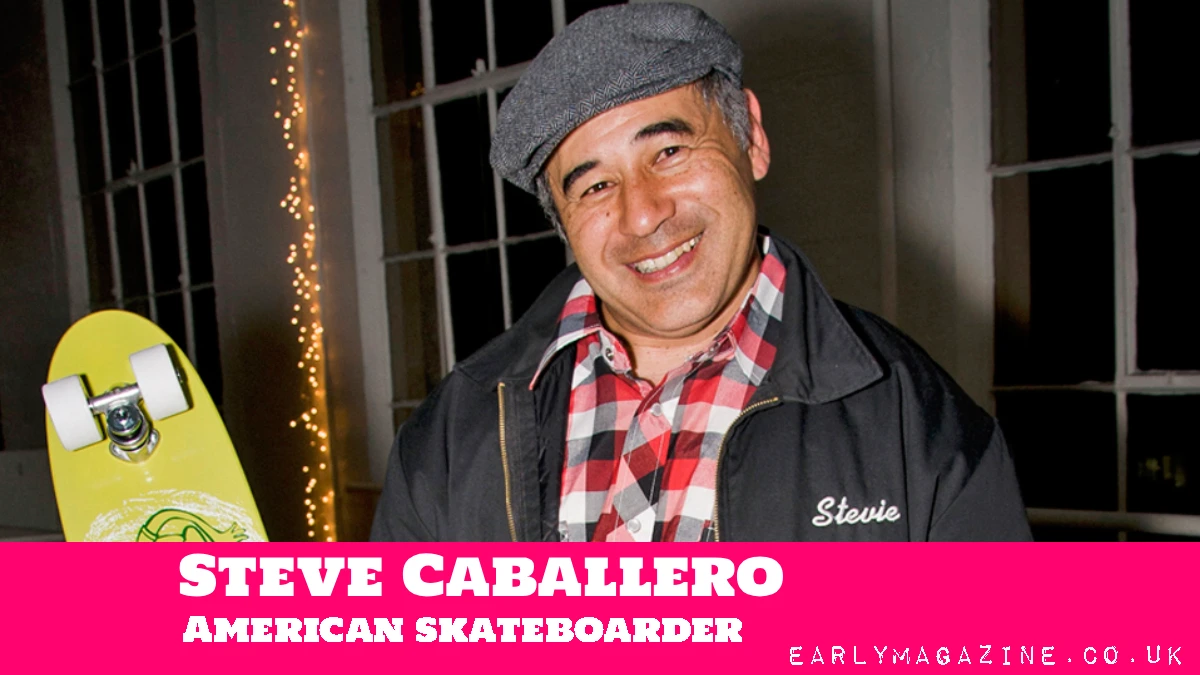
As of 2026, Steve Caballero net worth is estimated at $4 million. The skateboarding pioneer built his wealth through a 45-year pro career, sponsorships with Vans and Independent, music royalties, and his Powell Peralta partnership.
Steve Caballero has been on a skateboard longer than most fans have been alive. He turned pro in 1980, invented one of the sport’s most copied tricks, and somehow still skates vert ramps in his sixties. That kind of staying power raises an obvious question: how much money has he actually made from it?
The short answer is $4 million. But that number only tells part of the story. Caballero’s wealth comes from a mix most modern skaters never replicate: decades of board sales, signature shoes, punk rock royalties, and a level of brand loyalty that outlasted three generations of trends. He didn’t get rich overnight. He built it one ramp run, one record deal, and one shoe sponsorship at a time.
This article breaks down exactly where that $4 million comes from. You’ll see his salary, his sponsorship history, his music career, and how his fortune compares to other legends like Tony Hawk and Bam Margera. We’ll also answer the most common questions people search about Caballero’s finances and career.
Steve Caballero Net Worth At A Glance
| Detail | Figure |
|---|---|
| Net Worth (2026) | $4 million |
| Estimated Annual Income | $330,000 |
| Primary Source | Skateboarding sponsorships |
| Secondary Sources | Music royalties, film/video game royalties |
| Pro Career Start | 1980 |
| Years Active | 46+ |
These figures come from public estimates aggregated by outlets like Celebrity Net Worth and Surprise Sports, based on sponsorship history and industry salary data. Caballero himself has never published exact figures, which is typical for action sports athletes whose income comes from multiple smaller deals rather than one massive contract.
How Steve Caballero Built His Wealth
Early Sponsorship Deals
Caballero’s financial story starts in 1979, when Campbell Skate Park signed him as a young rider. A year later, at just 16, he turned professional at the Gold Cup series in Southern California. That early exposure mattered. It put him in front of Stacy Peralta, who scouted him for the legendary Bones Brigade team under Powell Peralta.
Joining Bones Brigade in the early 1980s changed everything. The team wasn’t just a sponsorship roster. It was a marketing machine that turned skaters into household names through videos, magazine covers, and signature boards. Caballero’s partnership with Powell Peralta has lasted for decades, making it one of the longest-running endorsement relationships in action sports.
The Caballerial And Career-Defining Tricks
In 1981, during a contest in Upland, California, Caballero landed a trick that would carry his name forever: the Caballerial, a fakie backside 360. It became a staple maneuver in vertical skating and cemented his reputation as one of the sport’s most creative riders.
He’s also credited with inventing the frontside boardslide, the half-cab, and several boneless variations. Each trick added to his legacy and, by extension, his market value as a sponsored athlete. Brands pay for innovation because innovation sells boards. A skater who invents tricks becomes a permanent fixture in the sport’s history, which keeps signature products relevant long after a competitive prime ends.
Records And Recognition
Caballero set a half-pipe world record in 1987, reaching 11 feet of air. He later set a separate record for the longest boardslide down a 44-step handrail. In 1999, Thrasher Magazine named him “Skater of the Century,” a title that still appears in nearly every bio written about him today.
That kind of recognition has lasting commercial value. It’s the difference between being a working pro and being a brand unto yourself.
Where The Money Actually Comes From
Caballero’s income breaks down across several channels, and most of it isn’t flashy. It’s steady.
- Sponsorship royalties: Independent Truck Company, Bones Wheels, Vans Skate Shoes, 187 Killer Pads, Merge4 socks, and Protec Helmets all carry his name or signature products.
- Salary and appearance fees: Industry estimates put his base earnings around $330,000 annually, including sponsor payouts and event appearances.
- Music royalties: Caballero has played in punk bands including The Faction, Odd Man Out, Shovelhead, and Soda. His music has appeared in skate videos and documentaries, including Bones Brigade footage.
- Video game licensing: Caballero appears in multiple entries of the Tony Hawk’s Pro Skater series, which pays out licensing fees to featured athletes.
- Art and design work: He’s worked in graphic design throughout his career, contributing to board graphics and apparel.
According to skate industry analysts, signature shoe and board deals for legacy pros typically pay royalties per unit sold rather than flat salaries, which explains why long-running partnerships like his with Vans and Powell Peralta matter more to long-term wealth than any single contest win.
How He Compares To Other Skating Legends
Caballero’s $4 million sits well below the sport’s top earner but ahead of many of his peers from the same era.
| Skater | Estimated Net Worth | Primary Era |
|---|---|---|
| Tony Hawk | $140 million | 1980s–present |
| Nyjah Huston | $25 million | 2010s–present |
| Paul Rodriguez Jr. | $10 million | 2000s–present |
| Bam Margera | $5 million | 1990s–2010s |
| Steve Caballero | $4 million | 1980s–present |
Tony Hawk’s wealth came largely from the video game empire bearing his name, a business opportunity that simply didn’t exist for most of Caballero’s career. Caballero’s path was more traditional: sponsorships, board sales, and longevity. He never chased a mainstream crossover the way Hawk did, and his net worth reflects a career built on craft rather than corporate expansion.
Life Beyond The Skateboard
Caballero was born on November 8, 1964, in San Jose, California, to a family of Japanese and Mexican descent. He was born with scoliosis, a spinal curvature, but has said it “really hasn’t affected me too much.”
He’s an avid collector of vintage vehicles, including a 1935 Ford Coupe and multiple classic Harley-Davidsons. He also keeps busy with motocross, photography, and cooking. He was previously married to Rachel Caballero for over 30 years; she passed away in 2022. He has three children and now resides in San Diego.
A longtime industry voice once described Caballero’s career philosophy this way: skating was never about the money or magazine covers for him, but about the feeling of riding itself. That mindset is likely why he’s still active in the sport into his sixties, something almost no other vert skater from his generation can claim.
Frequently Asked Questions
How did Steve Caballero make his money?
He earned income through sponsorships with Vans, Independent, and Powell Peralta, plus music royalties, video game licensing, and design work.
Is Steve Caballero still skating?
Yes. As of 2026, Caballero remains active in skateboarding, continuing his decades-long partnership with Powell Peralta while also pursuing music and art.
What trick is Steve Caballero famous for?
He invented the Caballerial, a fakie backside 360, along with the frontside boardslide and the half-cab, all staples of modern vertical skating.
How does Caballero’s net worth compare to Tony Hawk’s?
Tony Hawk net worth is estimated at $140 million, far exceeding Caballero’s $4 million, largely due to Hawk’s video game franchise and broader commercial ventures.
Final Thoughts
Steve Caballero’s $4 million net worth isn’t the biggest number in skateboarding, but it represents something rarer: four decades of consistent relevance in a sport built on short attention spans. He didn’t need a video game franchise or a reality show to stay relevant. He needed talent, a few unforgettable tricks, and sponsors willing to bet on loyalty over hype.
That’s the real lesson behind the Steve Caballero net worth story. Longevity in action sports rarely comes from one big payday. It comes from showing up, inventing something new, and sticking around long enough for the industry to recognize what you built. Caballero did exactly that, and at 61 years old, he’s still doing it.
For more insights into how modern icons navigate fame and fortune, visit EarlyMagazine UK—where boundary-breaking careers and financial wisdom come together.
