

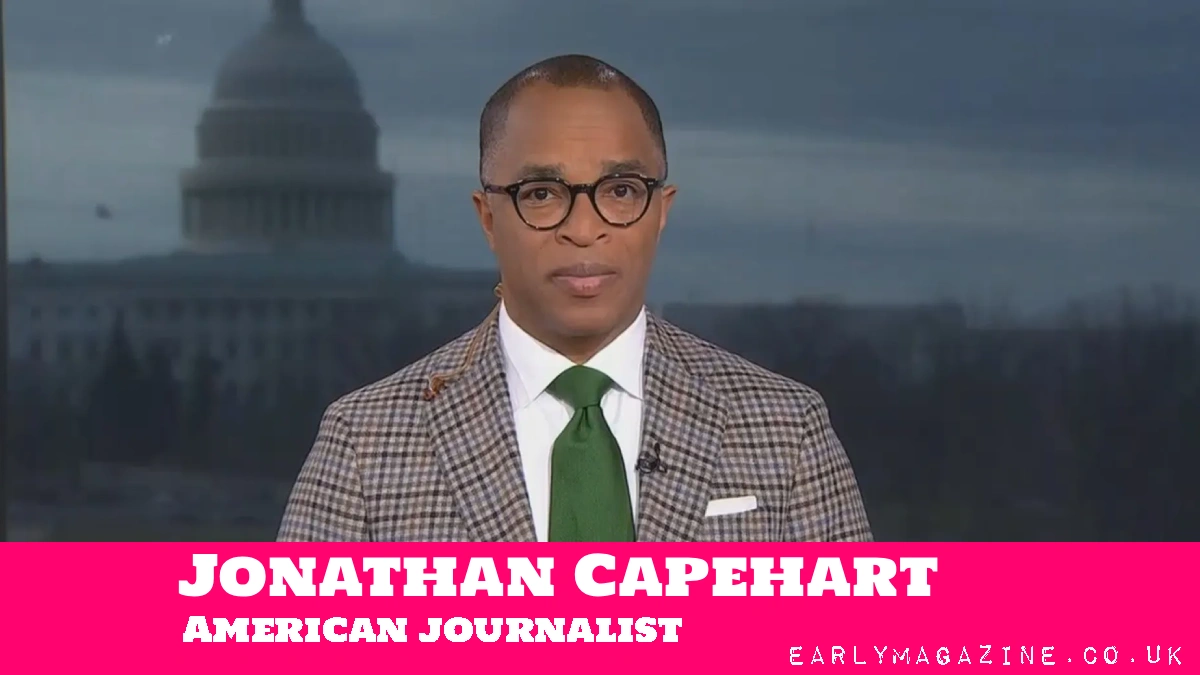
Jonathan Capehart is a prominent American journalist, television host, and political commentator who works for MSNBC and The Washington Post. Known for his thoughtful analysis and advocacy for social justice, Capehart has become one of the most respected voices in modern American media.
Who is Jonathan Capehart?
Jonathan Capehart stands as one of America’s most recognizable faces in political journalism and television commentary. You’ve probably seen him hosting “The Sunday Show” on MSNBC or read his thoughtful columns in The Washington Post. His calm demeanor and sharp analysis have made him a trusted voice during some of the most turbulent times in recent American history.
What makes Capehart special isn’t just his professional success. He represents something bigger in American media. As an openly gay Black journalist, he brings perspectives that were often missing from mainstream news for decades. His work bridges the gap between hard news reporting and meaningful social commentary.
Capehart’s influence extends far beyond traditional journalism. He speaks at universities, appears on countless news programs, and uses his platform to advocate for equality and justice. His story shows how someone from humble beginnings can rise to shape national conversations about politics, race, and social issues.

Early Life and Background
Jonathan T. Capehart was born on July 2, 1967, in Newark, New Jersey, but his family moved to Hazleton, Pennsylvania, when he was young. Growing up in this small coal-mining town gave him a unique perspective that would later inform his journalism. Hazleton was predominantly white, and Capehart often felt like he stood out as one of the few Black students in his school.
His parents played crucial roles in shaping his character and ambitions. His mother worked as a nurse, while his father held various jobs to support the family. They taught him the importance of hard work and education. Even as a child, Capehart showed signs of the curiosity and communication skills that would define his career.
School wasn’t always easy for young Jonathan. He faced challenges that many minority students experience in predominantly white communities. However, these early experiences taught him resilience and helped him develop the empathy that makes his journalism so compelling today. He learned to navigate different worlds and understand multiple perspectives.
The small-town environment of Hazleton might seem like an unlikely launching pad for a national media career. But Capehart credits his upbringing there with teaching him to connect with people from all walks of life. This skill became invaluable when he started interviewing politicians, activists, and everyday Americans affected by major news events.
Career Journey and Breakthrough Moments
Capehart’s journalism career began in the 1990s when he joined the New York Daily News as a reporter. This was during a transformative time in American media, and young journalists like Capehart were eager to make their mark. He quickly gained attention for his thorough reporting and ability to explain complex issues in ways regular people could understand.
His big break came when he moved to The Washington Post in the early 2000s. Working in the nation’s capital exposed him to the inner workings of American politics. He covered major stories that shaped the country, from presidential elections to social movements. His editors noticed his talent for finding the human stories behind big political events.
One of Capehart’s most significant career moments came when he started writing opinion columns. Unlike straight news reporting, opinion writing allowed him to share his perspectives on the issues he covered. His columns about race, politics, and social justice resonated with readers who felt their voices weren’t being heard in mainstream media.
Television became the next frontier for Capehart’s career. His thoughtful approach to complex topics made him a sought-after guest on news programs. Network executives recognized his ability to discuss difficult subjects without resorting to shouting matches or sensationalism. This led to regular appearances and eventually his own show.
Personal Life and Relationships
Jonathan Capehart’s personal life became public in ways that weren’t common for journalists of previous generations. In 2017, he married Nick Schmit, a businessman and former White House staffer. Their wedding was a celebration of love that also represented progress for LGBTQ+ rights in America.
Coming out as gay in the journalism world required courage, especially for someone who wanted to cover politics and social issues. Capehart has spoken openly about the challenges he faced and the support he received from colleagues and viewers. His visibility has helped other young journalists feel more comfortable being authentic in their professional lives.
The couple lives in Washington, D.C., where they’re active in the local community. Capehart often shares glimpses of their life together on social media, showing a more personal side that helps viewers connect with him beyond his professional persona. Their relationship demonstrates the changing face of American families and media representation.
Family remains important to Capehart, and he frequently mentions how his upbringing shaped his values. He maintains close ties to his hometown and often reflects on how his small-town roots influence his big-city career. This connection to his past keeps him grounded despite his professional success.
Major Achievements and Recognition
Throughout his career, Capehart has earned numerous awards and recognition for his journalism. His opinion writing has been praised for tackling difficult subjects with nuance and compassion. He’s received honors from journalism organizations and civil rights groups for his commitment to fair and accurate reporting.
One of his proudest achievements is hosting “The Sunday Show” on MSNBC. This program allows him to have in-depth conversations about the week’s most important stories. Unlike many cable news shows that focus on breaking news and quick takes, Capehart’s show provides thoughtful analysis and context that helps viewers understand complex issues.
His work during major news events has been particularly noteworthy. Whether covering presidential elections, social justice protests, or national tragedies, Capehart brings a steady presence that viewers trust. His interviews with political figures and activists often reveal new insights that other journalists miss.
Capehart’s influence extends to social media, where he has built a large following of people who appreciate his thoughtful commentary. He uses these platforms to continue conversations that start on television or in his columns. This multi-platform approach has made him one of the most recognized voices in modern journalism.
Current Work and Continuing Impact
Today, Jonathan Capehart continues to juggle multiple roles in the media landscape. His Washington Post columns appear regularly and often spark national conversations about important issues. His television work on MSNBC keeps him at the forefront of political commentary and breaking news analysis.
What sets Capehart apart from many of his peers is his commitment to civil discourse. In an era when political discussions often become heated arguments, he maintains a respectful tone while still asking tough questions. This approach has earned him respect from people across the political spectrum.
His impact on journalism goes beyond his own work. Young journalists, particularly those from underrepresented communities, see Capehart as a role model. He shows that it’s possible to be successful while staying true to your values and background. Many credit him with opening doors for more diverse voices in mainstream media.
Looking ahead, Capehart continues to evolve with the changing media landscape. He embraces new technologies and platforms while maintaining the high standards of journalism that built his reputation. His story reminds us that great journalists don’t just report the news – they help us understand what it means for our lives and our country.
A call-to-action that follows the same format as your Winnie Harlow example, connecting Capehart’s inspiring journey from small-town outsider to media powerhouse with EarlyMagazine’s mission of showcasing rising talents who use their unique perspectives to create positive change.
