


Delta flight DL275 diverted to Los Angeles International Airport on May 28, 2025, after experiencing an engine anti-ice system malfunction mid-flight. The Airbus A350-900, traveling from Detroit to Tokyo, safely landed at LAX with all 300+ passengers unharmed. The aircraft was flying over the North Pacific when pilots detected the technical issue and made the call to reroute.
On May 28, 2025, passengers aboard Delta flight DL275 expected a routine 13-hour journey from Detroit to Tokyo. Instead, they landed in Los Angeles after pilots identified a serious technical problem over the Pacific Ocean.
The aircraft was cruising at 38,000 feet approximately 620 nautical miles southwest of Anchorage when the crew detected a malfunction in the anti-ice system of one Rolls-Royce Trent XWB engine. What followed was a textbook example of aviation safety protocols in action.
This article breaks down what caused the diversion, why pilots chose LAX, what it cost Delta, and what passengers should know if they face a similar situation.
Why Delta Flight DL275 Had to Divert
The problem wasn’t minor. The anti-ice system prevents ice accumulation in cold, high-altitude regions like the North Pacific corridor, and malfunctions require immediate crew intervention.
Here’s what makes this system critical: At cruise altitude, ice crystals and supercooled water droplets can form inside the engine. The anti-ice system directs warm bleed air to protect the nacelle and engine components. When that protection fails, ice can build up, shed into the engine, and disrupt airflow—potentially causing power loss or engine damage.
Flying over the Bering Sea without working anti-ice protection wasn’t an option. Regulations require pilots to treat this type of failure as a serious risk. The crew had three choices: continue to Tokyo with compromised safety, turn back to Alaska, or divert to a major hub with full support capabilities.
They chose Los Angeles.
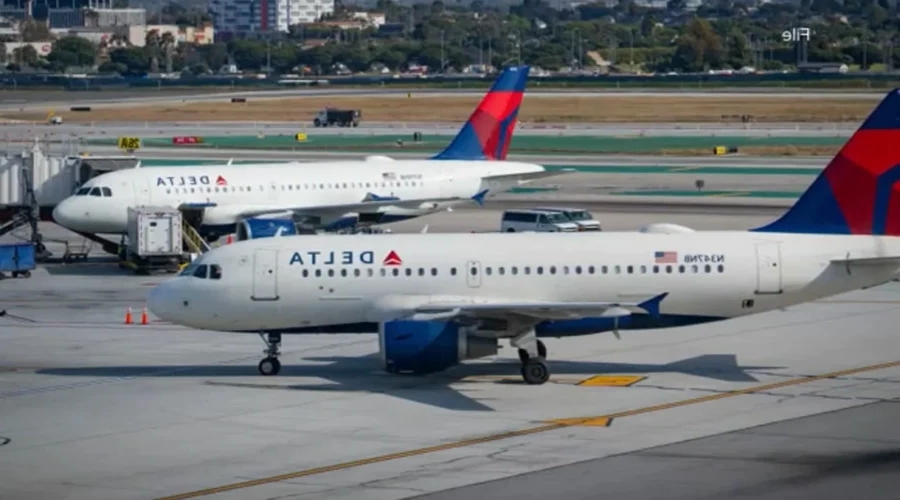
Why Pilots Chose LAX Instead of Other Airports
LAX wasn’t just the nearest airport. It was the smartest choice for three reasons.
Maintenance and repair infrastructure. LAX has specialized equipment and technicians trained on Airbus A350 aircraft. Delta’s maintenance network includes partnerships with Rolls-Royce for Trent engine support. Smaller airports might handle the landing, but they lack the parts, tools, and expertise to fix a complex engine system quickly.
Passenger support at scale. When you divert 300+ international passengers, you need customs facilities, rebooking desks, hotel coordination, and lounge space. LAX handles 150+ Delta flights daily and has the infrastructure to process and rebook everyone efficiently.
Runway and gate capacity. LAX has four major runways and gates designed for widebody aircraft like the A350-900. The airport can absorb unscheduled arrivals without disrupting other operations.
Data from flight tracking shows the aircraft had traveled approximately 3,200 nautical miles from Detroit when the malfunction was detected, with 4,800 miles still remaining to Tokyo. Turning around to Detroit would have added hours of flight time. LAX offered the best combination of proximity and resources.
What an Engine Anti-Ice System Actually Does
Most passengers don’t think about ice when they’re cruising at 38,000 feet. But ice formation is a constant threat in certain flight paths.
The engine anti-ice system works by bleeding hot, compressed air from the engine core and routing it through channels in the nacelle (the engine’s outer casing). This keeps temperatures above freezing and prevents ice from forming on critical surfaces.
When the system fails, several risks emerge:
- Ice can accumulate on inlet surfaces and break free during flight
- Loose ice entering the engine can damage fan blades or compressor stages
- Airflow disruption can cause temporary thrust loss or complete engine shutdown
- Continued operation without protection violates safety regulations
The system on the Trent XWB engine is electronically monitored. When sensors detect a malfunction, cockpit alerts notify the crew immediately. Standard procedure requires pilots to reduce power on the affected engine, descend if necessary, and divert to the nearest suitable airport.
That’s exactly what happened on DL275.
The Real Cost of Diverting a Flight
Diversions aren’t cheap. Airlines absorb multiple expense categories when a flight goes off-plan.
Immediate operating costs. Widebody jets like the A350 cost approximately $200 per minute to operate. A five-hour diversion adds roughly $60,000 in fuel, crew time, and wear-and-tear costs alone.
Passenger care expenses. Delta had to provide hotel rooms, meals, ground transportation, and rebooking for every passenger. With 300+ people onboard, those costs can reach $150,000 to $300,000 depending on how long passengers wait for the next available flight.
Maintenance and parts. Inspecting and repairing the anti-ice system requires specialized labor, diagnostic equipment, and potentially expensive replacement parts. Engine component repairs on modern turbofans can range from $100,000 to $250,000 depending on what needs replacing.
Schedule disruption. The diverted aircraft couldn’t operate its next scheduled flight. Delta had to reposition crews, find replacement aircraft, and manage knock-on delays across its network. When a flagship international route goes dark, the revenue impact can exceed $1 million.
Industry data shows typical diversions cost between $50,000 and $400,000. Complex cases involving aircraft swaps and multi-day passenger delays can push costs into seven figures. For DL275, the total likely fell in the mid-to-upper range given the international nature of the flight and the technical complexity of the repair.
What Passengers Experienced During the Diversion
Imagine you’re five hours into a transpacific flight. You’ve settled in, maybe watched a movie, started dinner service. Then the captain announces you’re landing in Los Angeles instead of Tokyo.
Passengers aboard DL275 didn’t experience any dramatic emergency procedures. The diversion was precautionary, not reactive to an imminent crisis. The aircraft maintained normal flight characteristics throughout.
Here’s what typically happens in these situations:
Communication from the crew. Pilots inform passengers about the technical issue without causing alarm. They explain the diversion is a safety precaution and provide an estimated arrival time.
Customs and immigration processing. Because the flight was international, all passengers had to clear U.S. customs at LAX even though it wasn’t their intended destination. This adds time to the process.
Rebooking and accommodations. Delta’s ground staff worked to rebook everyone on the next available Tokyo flight. Some passengers may have waited 12-24 hours for seats. The airline provided hotel vouchers, meal vouchers, and ground transportation.
Baggage complications. Checked bags traveled with the aircraft, but passengers who got rebooked on different flights sometimes experienced delays reuniting with their luggage.
No injuries were reported. The landing was routine. But the inconvenience was significant for travelers who had connecting flights, business meetings, or time-sensitive plans in Tokyo.
Your Rights When a Flight Gets Diverted
U.S. regulations and airline policies determine what you’re entitled to when a flight diverts.
For domestic diversions: Airlines must provide basic care—water, snacks, and information updates. They’re not required to provide hotels or meal compensation unless the delay extends overnight and is within the airline’s control.
For international diversions: The rules depend on where you’re flying. EU regulations (EC 261/2004) require compensation for qualifying delays, but U.S. carriers operating between U.S. cities aren’t bound by those rules. Delta’s contract of carriage commits to rebooking you on the next available flight at no extra charge.
What Delta typically provides:
- Rebooking on the next flight with available seats
- Hotel accommodations if the delay requires an overnight stay
- Meal vouchers proportional to delay length
- Ground transportation between airport and hotel
- Communication via app, email, and SMS about rebooking options
What you should do immediately:
- Keep all receipts for any expenses you incur
- Document the delay and reason through app notifications or gate announcements
- Ask gate agents about compensation policies specific to your ticket type
- Check if your travel insurance covers trip interruption
- Contact Delta customer service through the app for fastest rebooking
If the diversion stems from a mechanical issue (like DL275), you’re less likely to receive cash compensation than if the cause was within the airline’s control. But you’re still entitled to care and rebooking.
How Airlines Are Working to Prevent Future Diversions
The aviation industry invests heavily in predictive maintenance to catch problems before they cause in-flight issues.
Engine health monitoring systems. Rolls-Royce equips Trent engines with sensors that transmit real-time data to ground-based analysis centers. These systems track temperature, pressure, vibration, and other parameters. When patterns indicate a potential failure, maintenance teams can schedule repairs during routine layovers instead of waiting for a system to fail mid-flight.
Data sharing partnerships. Delta, Airbus, and engine manufacturers collaborate through programs like Airbus Skywise, which aggregates data from thousands of flights to identify failure patterns. Machine learning algorithms flag anomalies that human inspectors might miss.
Proactive component replacement. Instead of waiting for parts to reach their maximum service life, airlines now replace components based on condition monitoring. This approach reduces unexpected failures but requires sophisticated tracking systems.
Regulatory oversight improvements. Aviation authorities issue airworthiness directives when they identify systemic issues. In 2024, European regulators mandated enhanced inspections of A350 engine nacelle anti-ice components after maintenance checks revealed potential vulnerabilities.
These technologies won’t eliminate diversions entirely—aircraft are complex machines operating in harsh environments. But the trend is clear: better data leads to fewer surprises, which means fewer disrupted flights.
What This Incident Tells Us About Aviation Safety
Delta flight DL275’s diversion demonstrates how modern aviation prioritizes safety over schedule.
The pilots had working engines. They could have continued to Tokyo on reduced power with one compromised anti-ice system. Regulations and common sense said no—the risk, however small, wasn’t acceptable.
This conservative approach is why commercial aviation maintains an exceptional safety record. Airlines would rather inconvenience 300 passengers and absorb hundreds of thousands in costs than gamble with safety margins.
The aircraft flew approximately five hours before diverting to LAX, showing that crews take time to assess situations, coordinate with maintenance teams on the ground, and choose the best course of action rather than making rushed decisions.
Every diversion becomes a data point that improves future operations. Maintenance teams analyze what went wrong. Training programs incorporate lessons learned. Manufacturers refine their monitoring systems.
In this case, everyone walked away safely. That’s not luck—it’s the result of systems, training, and culture that treat every technical anomaly seriously.
FAQs About Delta Flight DL275
What exactly failed on Delta flight DL275?
The aircraft experienced a malfunction in the engine anti-ice system on one of its Rolls-Royce Trent XWB engines. This system prevents dangerous ice buildup in the engine at high altitude and cold temperatures. Without it functioning properly, continuing the flight over the North Pacific posed unacceptable risks.
Were passengers in danger during the flight?
No. The diversion was precautionary, not reactive to an emergency. The aircraft maintained normal flight operations throughout. Pilots chose to land at LAX to address the technical issue before it could potentially worsen, following standard safety protocols.
How long were passengers delayed?
Delays varied by passenger. Some were rebooked on flights departing within 12-24 hours. Others with specific requirements or traveling during peak periods may have waited longer. Delta provided accommodations and meal vouchers for the extended wait.
Can I get compensation if my flight diverts?
It depends on your ticket type, departure/arrival locations, and cause of diversion. Mechanical issues like the one on DL275 typically qualify for care (hotels, meals, rebooking) but not cash compensation under U.S. regulations. EU rules differ for flights covered by EC 261/2004. Check Delta’s contract of carriage and your travel insurance policy.
Key Takeaways
Delta flight DL275’s diversion to LAX wasn’t dramatic, but it was significant. The May 28, 2025 incident put aviation safety protocols to the ultimate test when a complete anti-ice system failure occurred in the Rolls-Royce Trent XWB engine.
The pilots made the right call. LAX provided the resources to fix the aircraft and care for passengers. And while the cost to Delta was substantial, it was far less than the alternative of taking unnecessary risks.
If you’re flying Delta or any other airline and your flight diverts, remember: it’s because the crew is doing their job. Modern aviation’s safety record exists because pilots, maintenance teams, and regulators refuse to compromise when technical issues arise.
Keep your receipts, stay informed through the airline’s app, and know your rights. The inconvenience is real, but so is the commitment to getting everyone home safely.
