

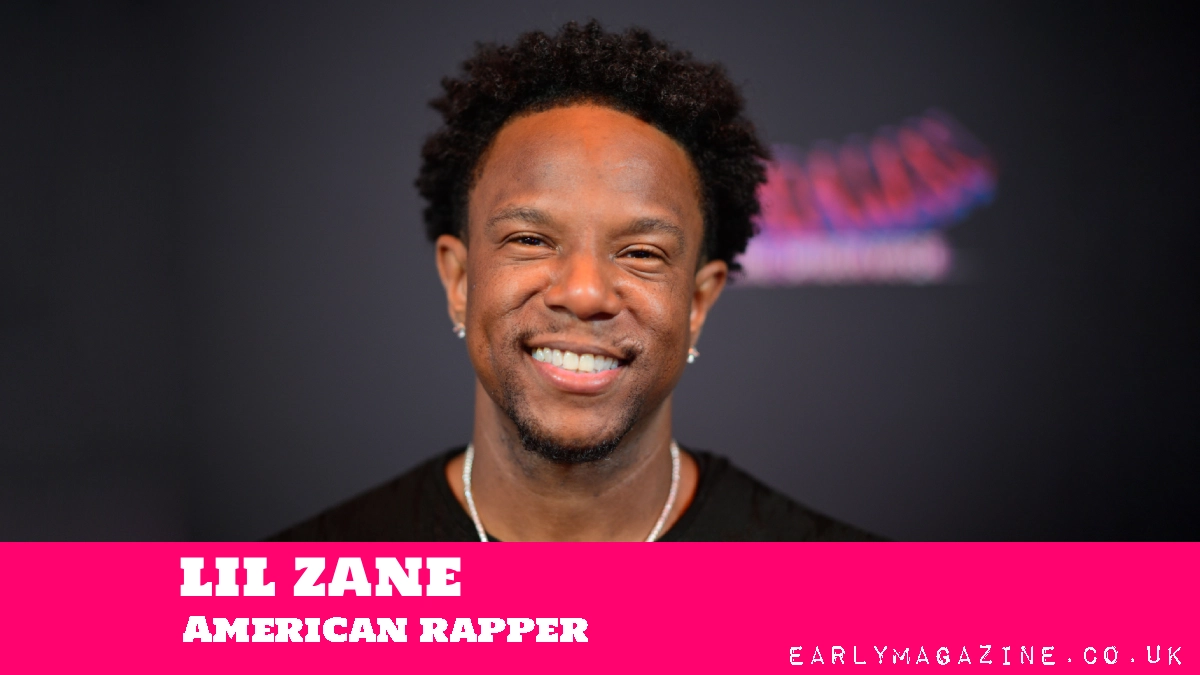
Lil Zane, born Zane Copeland Jr. in 1982, is an American rapper who rose to fame in the late 1990s. He gained recognition through his debut album “Young World: The Future” and hit single “Callin’ Me.” The Atlanta native worked with major artists like Bow Wow and 112, becoming a prominent voice in youth hip-hop during the early 2000s.
When you think about the golden age of teen hip-hop, one name that often gets overlooked is Lil Zane. This young rapper from Atlanta burst onto the scene when baggy jeans and platinum chains were the uniform of success. His story isn’t just about making music—it’s about a kid who turned his passion into a career before he could legally vote. Lil Zane biography reveals a journey filled with determination, talent, and the kind of hustle that defined an entire generation of hip-hop artists.
Who is Lil Zane?
Lil Zane is a rapper, songwriter, and actor who became a household name in the late 1990s and early 2000s. Born as Zane Copeland Jr., he represented a new wave of young artists who brought fresh energy to hip-hop. His music spoke directly to teenagers navigating friendship, relationships, and growing up in urban America.
What made Lil Zane stand out was his ability to balance youthful themes with genuine lyrical skill. He wasn’t just another teen rapper trying to cash in on a trend. His flow was smooth, his delivery confident, and his presence undeniable. At a time when youth-oriented hip-hop was exploding, Lil Zane carved out his own space in the crowded landscape.
The Atlanta rapper signed with Priority Records and quickly became one of the label’s most promising young talents. His collaborations with established artists helped him gain credibility while his solo work showcased his individual artistry. Lil Zane proved that age didn’t determine talent, and his contribution to hip-hop culture remains significant even today.
Early Life and Background
Zane Copeland Jr. was born on July 11, 1982, in Yonkers, New York, but his family moved to Atlanta, Georgia, when he was still young. Growing up in Atlanta during the 1990s meant being surrounded by the birth of Southern hip-hop. The city was becoming a cultural hub, and young Zane absorbed everything around him. Music wasn’t just entertainment in his household—it was a way of life.
His parents noticed his interest in music early on. While other kids played video games, Zane was writing rhymes and studying his favorite rappers. He spent hours perfecting his craft, recording verses on whatever equipment he could find. The Atlanta music scene was vibrant and competitive, but that only pushed him to work harder.
By his early teens, Zane was already performing at local venues and talent shows. He wasn’t just dreaming about becoming a rapper—he was actively building toward that goal. His dedication caught the attention of local producers and artists who recognized his potential. These early experiences taught him valuable lessons about performance, stage presence, and connecting with an audience.
The move from New York to Atlanta turned out to be crucial for his career. Atlanta’s hip-hop community was tight-knit but welcoming to genuine talent. Young Zane found mentors and supporters who believed in his abilities. This support system gave him the confidence to pursue music professionally rather than just as a hobby.
Rise to Fame
Lil Zane’s big break came when he caught the attention of music executives who were looking for the next young star. His talent was undeniable, and by the time he was a teenager, he had already signed his first record deal. This wasn’t luck—it was the result of years of grinding and perfecting his craft while his peers were still figuring out what they wanted to do with their lives.
His debut album “Young World: The Future” dropped in 2000 when he was just 17 years old. The album featured production from some of the industry’s top names and collaborations with established artists. The lead single “Callin’ Me” featuring 112 became a massive hit, reaching the top 20 on the Billboard Hot 100. The song’s catchy hook and smooth production made it a radio favorite.
What made this success even more impressive was how Lil Zane handled the spotlight. Many young artists crumble under pressure, but he seemed born for it. He appeared on music videos, performed at major venues, and conducted interviews with the poise of someone twice his age. His maturity and professionalism helped him build respect in an industry that often dismissed teen artists as novelties.
The album sold well and established Lil Zane as more than a one-hit wonder. Tracks like “Anywhere” and “Money Stretch” showcased different sides of his artistry. He could make club bangers and introspective tracks with equal skill. This versatility became his signature, proving he had staying power beyond his teenage years.
Music Career Highlights
After the success of his debut, Lil Zane became a sought-after collaborator. He worked with major artists across different styles of hip-hop and R&B. His feature on Bow Wow’s album helped introduce him to an even younger audience. The two became friends and frequent collaborators, representing a new generation taking over the rap game together.
His second album showed growth and maturity in his approach to music. While maintaining the youthful energy that fans loved, he also tackled more serious subjects. The production became more sophisticated, and his lyrics reflected the experiences of someone navigating fame at such a young age. Critics noted his improvement as an artist and songwriter.
Beyond studio albums, Lil Zane made his mark through memorable guest appearances. He showed up on tracks with artists like Lil’ Romeo, adding his distinctive style to various projects. These collaborations kept him visible in the industry and demonstrated his ability to adapt to different beats and styles. His versatility made him a favorite among producers looking for a reliable feature.
Live performances became another strength in his career. Lil Zane knew how to work a crowd, whether performing at intimate venues or large festivals. His energy on stage matched his recorded music, giving fans an authentic experience. These performances helped build a loyal fan base that supported him throughout his career transitions.
Acting and Other Ventures
Like many hip-hop artists of his generation, Lil Zane expanded into acting. He appeared in several films and television shows, showing that his talents extended beyond the recording booth. His role in the 2001 film “Finding Forrester” alongside Sean Connery gave him exposure to mainstream audiences who might not have known his music.
Acting allowed him to explore different creative outlets while maintaining his music career. He didn’t abandon rap to become an actor—instead, he balanced both pursuits. This approach gave him financial stability and kept him relevant even when he wasn’t releasing new albums. The acting work also improved his overall performance skills, making him a better entertainer.
Television appearances on popular shows helped maintain his public profile. He guest-starred on series that were popular with his core demographic, keeping his name in front of fans. These appearances reminded people that he was still active and creating, even if he wasn’t dominating radio playlists like in his early years.
Business ventures also became part of his portfolio. Like many artists who found early success, Lil Zane understood the importance of building wealth beyond music sales. He explored opportunities in fashion and entertainment production, using the connections and knowledge he gained during his music career.
Personal Life and Challenges
Growing up in the public eye comes with unique pressures that most people never experience. Lil Zane had to balance being a teenager with being a professional artist. While his friends worried about homework and weekend plans, he dealt with recording schedules, promotional tours, and business meetings. This accelerated maturity shaped his worldview in ways that both helped and challenged him.
The music industry can be harsh, especially on young artists. As trends shifted and new talents emerged, Lil Zane faced the challenge of staying relevant. The same industry that celebrated him as a teen sensation could be quick to move on to the next big thing. Navigating these changes required resilience and adaptability that not every artist possesses.
Personal relationships became complicated by fame and career demands. Maintaining genuine connections when you’re constantly traveling and working isn’t easy. Lil Zane learned these lessons while still figuring out who he was as a person. The experiences shaped his music, adding depth and authenticity to his later work.
Financial management also presented challenges, as it does for many young artists who suddenly have access to significant money. Learning to make smart decisions about earnings, investments, and spending required guidance and sometimes painful mistakes. These experiences taught valuable lessons about long-term planning versus short-term gratification.
Legacy and Impact
Lil Zane’s influence on teen hip-hop deserves recognition that it doesn’t always receive. He was part of a movement that made rap accessible to younger audiences without watering down the art form. His success helped prove that young artists could create authentic hip-hop that resonated with both their peers and older listeners.
The artists who followed him benefited from the path he helped create. Young rappers today can point to Lil Zane as an example of someone who started early and built a sustainable career. His approach to balancing commercial appeal with artistic integrity set a standard that continues to influence how teen artists develop their careers.
His music remains part of the cultural conversation when people discuss early 2000s hip-hop. Songs like “Callin’ Me” still appear on throwback playlists and nostalgia-driven radio shows. For many people who grew up during that era, Lil Zane’s music is the soundtrack to their teenage years—a permanent part of their personal history.
Beyond statistics and chart positions, his real legacy lives in the memories he created for fans. Those moments of hearing his voice on the radio, seeing his videos on television, and experiencing his live shows can’t be measured. He gave young people something to relate to during formative years, and that impact lasts far beyond music trends.
Where is Lil Zane Now?
Today, Lil Zane continues to be involved in music and entertainment, though not at the same mainstream level as his peak years. He still records and releases music, connecting with longtime fans while introducing himself to new listeners. Social media has given him a direct way to communicate with supporters and share his current projects without relying on traditional industry gatekeepers.
His presence on platforms like Instagram shows someone who has matured but hasn’t lost touch with why he started making music. He shares insights about the music business, reflects on his experiences, and occasionally drops new tracks. This approach has helped him maintain relevance in a digital age where artists can build careers outside traditional record label structures.
The respect he receives from fellow artists speaks to his standing in the hip-hop community. Younger rappers who grew up listening to his music acknowledge his influence, and veterans recognize him as someone who contributed to the culture. This cross-generational respect is something many artists never achieve, regardless of commercial success.
Lil Zane also uses his experience to mentor emerging artists, sharing lessons learned from his journey. He understands the pitfalls and opportunities in ways that only someone who lived through it can. This giving back to the community ensures that his impact extends beyond his own career and helps shape the next generation of hip-hop talent.
Lil Zane biography tells the story of a young artist who achieved remarkable success while navigating the challenges of growing up in public. From his early days in Atlanta to becoming a nationally recognized rapper, his journey reflects determination, talent, and resilience. While the music industry has changed dramatically since his peak years, his contribution to hip-hop remains an important chapter in the genre’s history. His music gave voice to a generation and proved that age doesn’t limit artistic ability or cultural impact.
To learn more about the woman who stood beside him through his journey, read about Demiqua Sasha Brumfield and her role in Lil Zane’s personal life.
