

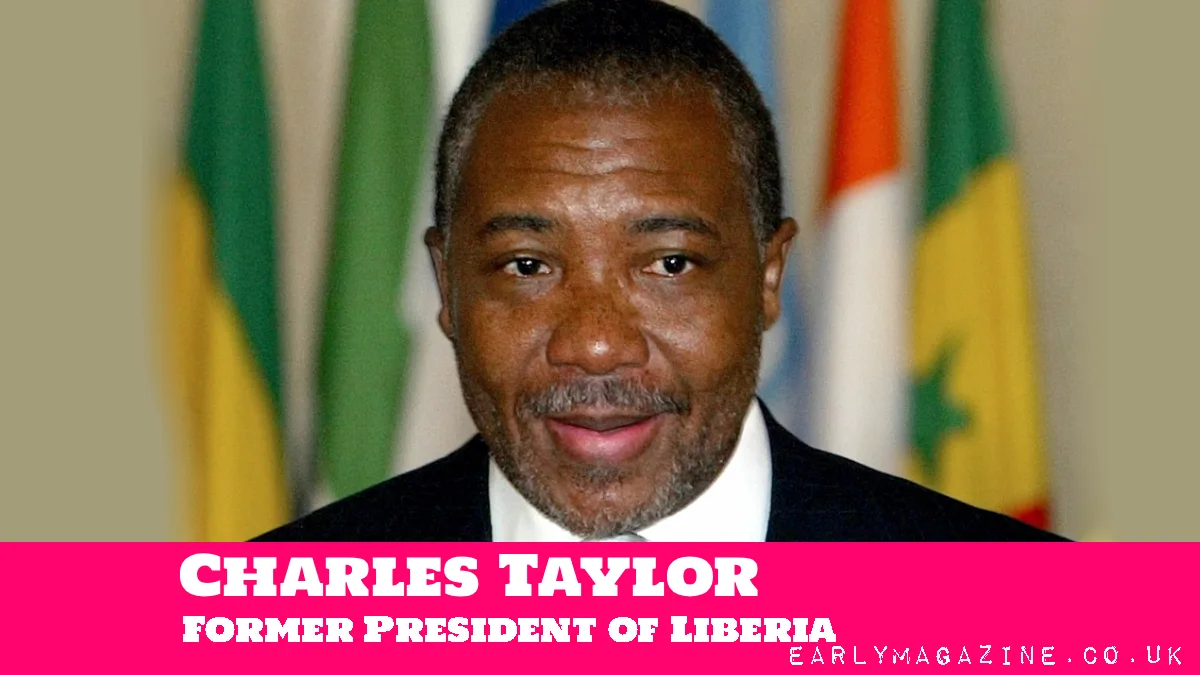
Charles Taylor net worth is estimated between $50 million and $150 million, accumulated through illegal logging, blood diamond trading, and resource extraction during his presidency from 1997 to 2003. Most assets remain hidden in offshore accounts and proxy arrangements despite his 2012 war crimes conviction.
When a former head of state is sentenced to 50 years in prison for war crimes, people naturally wonder what happened to the wealth accumulated during their reign. Charles Taylor, Liberia’s 22nd president, stands as one of Africa’s most notorious dictators. His trial at The Hague exposed a pattern of blood diamonds, arms deals, and systematic plunder that funded civil wars across West Africa.
The question of Charles Taylor net worth isn’t just about numbers. It represents stolen resources, lives destroyed, and a country left in ruins. Understanding his financial empire reveals how corruption operates at the highest levels of government and why recovering these assets matters for justice.
Who Is Charles Taylor?
Charles Ghankay Taylor served as Liberia’s president from 1997 to 2003. Before that, he led a brutal rebel movement that triggered Liberia’s first civil war in 1989. His political career began when he worked in Samuel Doe’s government but fled to the United States after embezzlement charges in 1983.
Taylor escaped from a Massachusetts jail in 1985 and returned to West Africa. He launched his rebellion with backing from Libya’s Muammar Gaddafi and Burkina Faso’s Blaise Compaoré. The resulting conflict killed an estimated 200,000 people and displaced half of Liberia’s population.
In 2012, the Special Court for Sierra Leone convicted Taylor of 11 counts of war crimes and crimes against humanity. He became the first former head of state convicted by an international court since the Nuremberg trials. Taylor is currently serving his sentence in a British prison.
His conviction centered on supporting Sierra Leone’s Revolutionary United Front rebels, who terrorized civilians through amputation, rape, and forced labor in diamond mines. The court found he traded weapons for conflict diamonds to fuel violence across the region.
How Charles Taylor Built His Fortune
Illegal Logging Operations
Timber became Taylor’s primary revenue source during his presidency. He granted logging concessions to foreign companies with minimal oversight or environmental protections. The United Nations estimated Taylor earned $100 million to $300 million annually from illegal logging between 1997 and 2003.
Oriental Timber Company, controlled by Indonesian businessman Gus van Kouwenhoven, operated as Taylor’s main logging partner. The company paid taxes directly to Taylor’s personal accounts rather than Liberia’s treasury. Investigations revealed that logging equipment and ships also smuggled weapons into the country.
The UN Security Council imposed timber sanctions on Liberia in 2003 after documenting these activities. Forests that took centuries to grow disappeared in years, leaving environmental devastation and no benefit for ordinary Liberians.
Blood Diamond Trade
Taylor’s involvement in Sierra Leone’s civil war centered on controlling diamond mining areas. He received conflict diamonds from RUF rebels in exchange for weapons, ammunition, and military support. These diamonds entered legitimate markets through neighboring countries.
Expert testimony at his trial showed Taylor personally handled diamond shipments worth millions of dollars. Witnesses described meetings where Taylor examined diamonds and negotiated prices with buyers. Supermodel Naomi Campbell testified about receiving rough diamonds after a 1997 dinner with Taylor, though she claimed not to know their origin.
The blood diamond trade funded atrocities including the amputation of civilians’ limbs, sexual slavery, and recruitment of child soldiers. Taylor’s network connected Sierra Leone’s diamond fields to international markets in Antwerp and beyond.
Government Resource Theft
As president, Taylor treated Liberia’s resources as personal property. Maritime registry fees, which should have funded government operations, went directly into offshore accounts. He sold rubber plantation concessions and shipping rights without proper documentation.
Taylor controlled the Liberian International Ship and Corporate Registry, one of the world’s largest. Registration fees generated approximately $18 million annually, but little reached the national budget. Instead, these funds supported Taylor’s lifestyle and weapons purchases.
His government printed Liberian dollar notes without backing, causing hyperinflation that destroyed savings and wages. This monetary manipulation allowed Taylor to exchange worthless local currency for hard foreign currency from businesses and aid organizations.
Estimated Net Worth Breakdown
| Asset Category | Estimated Value |
|---|---|
| Offshore bank accounts | $30–70 million |
| Real estate holdings | $10–30 million |
| Front company investments | $10–25 million |
| Precious stones/metals | $5–15 million |
| Unrecovered cash | $10–20 million |
| Total Estimated Range | $50–150 million |
These figures come from UN investigations, court documents, and financial analysts who tracked Taylor’s transactions. The wide range reflects difficulty in tracing assets hidden through shell companies and nominee arrangements.
Investigators believe Taylor moved significant wealth to accounts in Nigeria, Burkina Faso, and offshore banking centers. His wife Jewel Howard-Taylor, who later became Liberia’s vice president, allegedly controlled some assets. Family members and close associates likely hold others through proxy arrangements.
Comparing Taylor to other African dictators provides context. Mobutu Sese Seko of Zaire accumulated an estimated $5 billion, while Nigeria’s Sani Abacha stole approximately $5 billion. Taylor’s fortune appears smaller, partly because his time in power was shorter and international scrutiny increased during his presidency.
Where Is Charles Taylor’s Money Now?
Asset recovery efforts have recovered only a fraction of Taylor’s wealth. The UN froze some accounts in 2003 when Taylor fled to Nigeria. However, most assets remain hidden or beyond legal reach.
Switzerland returned approximately $3 million to Liberia in 2009 from frozen Taylor-linked accounts. This amount represents a tiny portion of estimated stolen funds. Recovery efforts face obstacles including lack of documentation, nominee ownership structures, and uncooperative jurisdictions.
The Liberian government continues working with international partners to trace assets. In 2018, authorities investigated properties in South Africa allegedly purchased with Taylor’s funds. Real estate in Ghana, Burkina Faso, and Nigeria also remains under scrutiny.
Taylor’s family members maintain lifestyles suggesting access to hidden wealth. His children have attended expensive international schools and universities. This spending pattern indicates assets beyond what frozen accounts and legal earnings could support.
Legal complexity slows recovery. Proving ownership when assets are held through multiple shell companies requires extensive investigation. Some countries lack political will to assist, particularly if their officials benefited from relationships with Taylor.
Life in Prison and Financial Status
Taylor is serving his 50-year sentence at HM Prison Frankland in County Durham, England. He arrived in 2013 after exhausting his appeals. At 76 years old, he will likely die in custody.
Prison regulations limit his access to funds. Taylor can hold a small account for purchases at the prison commissary. Any larger assets remain frozen or inaccessible to him personally.
His legal team cost millions during his trial and appeals. Some observers questioned who funded his expensive defense lawyers. The Special Court for Sierra Leone provided some legal aid, but private funding sources were never fully disclosed.
Taylor has given occasional interviews from prison, maintaining his innocence and claiming he worked for peace in Sierra Leone. He shows no remorse for victims and continues portraying himself as a misunderstood leader.
Impact on Liberia’s Economy
Taylor’s kleptocracy devastated Liberia’s economy. The country ranked among the world’s poorest when he fled in 2003. Infrastructure lay in ruins, hospitals lacked basic supplies, and schools couldn’t function.
Liberia’s GDP dropped from $575 million in 1987 to $435 million in 2003, despite natural resources that should have generated prosperity. Taylor’s theft and mismanagement created poverty that persists today. The country only began recovering after his departure and required billions in international assistance.
International sanctions during Taylor’s presidency isolated Liberia from legitimate commerce. The timber and diamond bans, while necessary, further damaged an economy already hollowed out by corruption. Liberians paid the price for Taylor’s crimes through unemployment, hunger, and lack of basic services.
Recovering stolen assets could fund schools, hospitals, and infrastructure. The $3 million returned from Switzerland went to education projects. Full recovery would provide significant resources for development, though no amount can compensate for lives lost.
Frequently Asked Questions
How much is Charles Taylor worth today?
Estimates range from $50 million to $150 million in hidden assets, though exact amounts remain unknown due to offshore accounts and proxy holdings.
Was Charles Taylor the richest African dictator?
No. Leaders like Mobutu Sese Seko and Sani Abacha accumulated billions. Taylor’s shorter time in power limited his total theft.
Has any of Taylor’s money been recovered?
Switzerland returned approximately $3 million to Liberia in 2009. Most assets remain hidden or frozen in various jurisdictions worldwide.
What happened to Taylor’s blood diamonds?
They entered international markets through neighboring countries. Some were sold before his conviction, while others may remain in private collections or converted to cash.
Does Charles Taylor still have access to his wealth?
No. Prison regulations and asset freezes prevent access. However, family members may control some funds through proxy arrangements.
Conclusion
Charles Taylor net worth tells a story of corruption, violence, and stolen futures. The $50 million to $150 million he accumulated came directly from Liberia’s resources and the suffering of West African civilians. Blood diamonds, illegal logging, and systematic theft funded a lifestyle of luxury while his countrymen lived in desperate poverty.
His conviction brought some justice, but financial accountability remains incomplete. Most stolen assets stay hidden in offshore accounts and shell companies beyond easy recovery. Liberia deserves these resources to rebuild what Taylor destroyed. The international community must strengthen asset recovery mechanisms to prevent dictators from enjoying stolen wealth. Taylor sits in a British prison, but the money he took still hasn’t come home. Until it does, his victims continue paying for crimes committed decades ago.
For more insights into how modern icons navigate fame and fortune, visit EarlyMagazine UK—where boundary-breaking careers and financial wisdom come together.
