

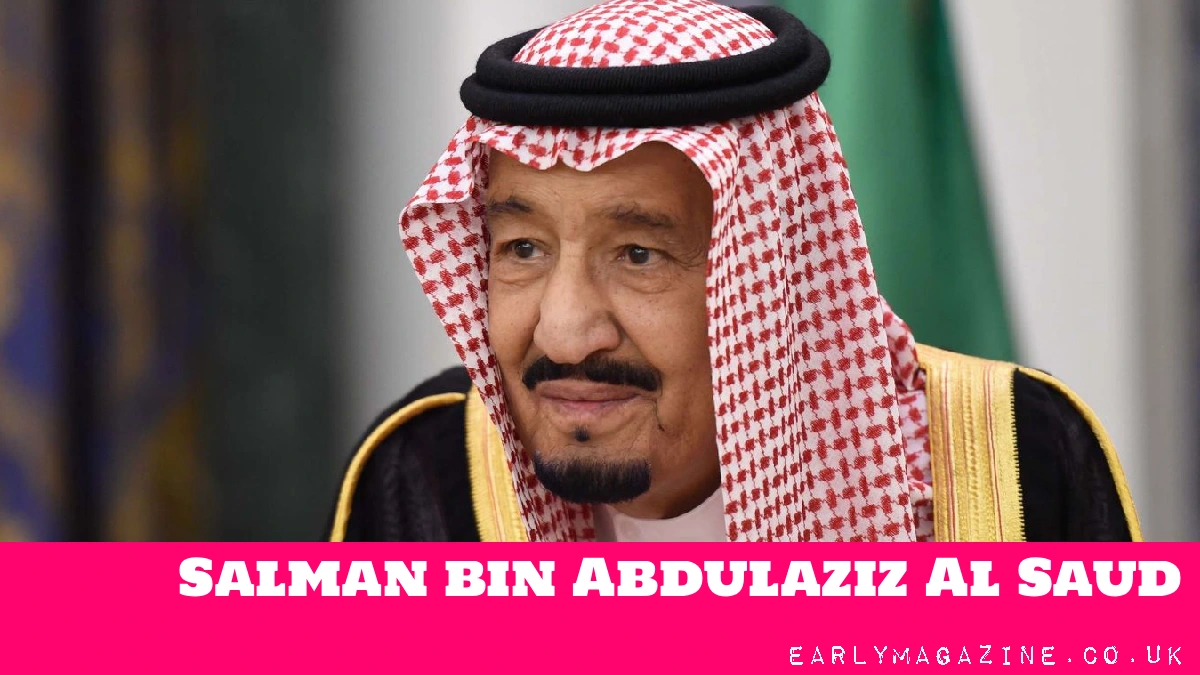
King Salman bin Abdulaziz Al Saud net worth ranges from $18 billion to $20 billion. His wealth stems from royal allowances, government positions, oil revenues, international investments, and personal business ventures accumulated over six decades in Saudi leadership roles.
King Salman bin Abdulaziz Al Saud stands among the wealthiest royals on Earth. His fortune represents more than personal riches. It connects directly to Saudi Arabia’s vast oil reserves and the royal family’s control over the kingdom’s resources. Understanding his wealth requires looking at how the Saudi monarchy operates.
The exact figure remains difficult to pin down. Estimates place Salman bin Abdulaziz Al Saud net worth between $18 billion and $20 billion as of early 2025. This massive fortune comes from decades of holding key government positions, royal allowances, and strategic investments across multiple continents.
What this article covers: You’ll learn where King Salman’s wealth originates, how it compares to other world leaders, what assets he controls, and how Saudi Arabia’s unique system blurs the lines between state and personal wealth.
The Source of King Salman’s Billions
King Salman didn’t build his fortune through traditional business ventures. His wealth accumulates through his position within the Saudi royal family and decades of government service.
Royal Allowances and Stipends
Every senior member of the Al Saud family receives monthly stipends from the state treasury. King Salman, as the monarch, receives the largest allocation. These payments come directly from oil revenues that flow into government coffers. Reports suggest the king receives annual allowances exceeding $100 million, though exact figures remain state secrets.
The system dates back to the kingdom’s founding in 1932. King Abdulaziz established this practice to maintain family unity and prevent internal conflicts. Today, approximately 15,000 royal family members receive some form of payment.
Government Salaries and Benefits
Before becoming king in 2015, Salman served as Governor of Riyadh Province for 48 years (1963-2011). He later became Crown Prince and Defense Minister. Each role carried substantial salaries and benefits. Government positions in Saudi Arabia come with housing, transportation, staff, and other perks that reduce personal expenses significantly.
Oil Revenue Access
Saudi Arabia produces roughly 10 million barrels of oil daily. At current prices around $80 per barrel, this generates approximately $800 million in daily revenue. While this money technically belongs to the state, the royal family exercises control over how these funds get distributed. The lack of separation between state finances and royal wealth makes precise calculations nearly impossible.
Breaking Down the King’s Assets
King Salman’s wealth spreads across multiple categories. Each represents years of accumulation and strategic positioning.
| Asset Category | Estimated Value | Key Holdings |
|---|---|---|
| Real Estate | $3-4 billion | Palaces in Riyadh, Jeddah, Tangier |
| Investments | $8-10 billion | Stakes in Saudi companies, international portfolios |
| Art & Collectibles | $2-3 billion | Islamic manuscripts, rare artifacts |
| Yachts & Aircraft | $1-2 billion | Private jets, luxury vessels |
| Cash & Securities | $4-5 billion | Bank accounts, bonds, liquid assets |
Property Holdings
The king owns multiple palaces across Saudi Arabia. His primary residence in Riyadh spans several square kilometers. He maintains vacation properties in Morocco, France, and other countries. His palace in Tangier, Morocco, purchased in 2014 for approximately $300 million, covers 50 acres along the Mediterranean coast.
Business Investments
Through proxies and investment vehicles, King Salman holds stakes in Saudi petrochemical companies, construction firms, and telecommunications providers. These investments benefit from preferential treatment and inside knowledge of government contracts. International holdings include real estate in London, Paris, and New York.
Luxury Possessions
The royal fleet includes several Boeing aircraft customized for personal use. His yacht collection features vessels worth tens of millions each. The king also collects rare Islamic manuscripts and historical artifacts, with some pieces dating back centuries.
How His Wealth Compares Globally
Salman bin Abdulaziz Al Saud net worth places him among the richest world leaders, though below some other monarchs.
Thailand’s King Maha Vajiralongkorn holds an estimated $43 billion fortune, making him the wealthiest monarch. Brunei’s Sultan Hassanal Bolkiah follows with roughly $30 billion. King Salman ranks third among current monarchs by wealth.
Compared to elected leaders, the gap widens dramatically. U.S. President Joe Biden’s net worth sits around $10 million. U.K. Prime Minister Keir Starmer holds approximately $8 million. Most democratic leaders cannot accumulate vast fortunes while in office due to salary limitations and conflict-of-interest rules.
The difference reflects fundamental governance structures. Constitutional monarchies and democracies separate state wealth from personal assets. Absolute monarchies like Saudi Arabia maintain no such division.
The Crown Prince Factor
King Salman’s son, Crown Prince Mohammed bin Salman (MBS), wields enormous influence over Saudi finances. At 39 years old, MBS controls the Public Investment Fund (PIF), Saudi Arabia’s sovereign wealth fund worth over $700 billion.
MBS drives major economic initiatives like NEOM, the $500 billion futuristic city project. He orchestrated Saudi Arabia’s purchase of Newcastle United Football Club and LIV Golf. These massive expenditures blur the line between state investments and royal projects.
Estimates place MBS’s personal net worth around $1 billion, though his access to state resources far exceeds this figure. As the heir apparent, he will eventually control the kingdom’s wealth when he assumes the throne.
Controversies and Criticisms
The Saudi royal family’s wealth generates significant criticism. Human rights organizations point to the contrast between royal luxury and widespread poverty in some regions. According to 2024 World Bank data, approximately 12% of Saudi citizens live below the national poverty line despite the country’s oil wealth.
The 2017 anti-corruption purge raised questions about wealth concentration. MBS detained dozens of princes and businessmen at the Ritz-Carlton in Riyadh, extracting settlements totaling over $100 billion. Critics called it a power consolidation disguised as reform.
Transparency remains minimal. Saudi Arabia publishes no detailed breakdowns of royal expenditures. International pressure for disclosure has increased, but the kingdom maintains that royal finances constitute state secrets.
Recent Developments in Royal Wealth
Saudi Arabia’s Vision 2030 economic plan aims to reduce oil dependency. This diversification directly impacts royal wealth sources. The PIF invested heavily in technology companies including Uber, Tesla, and numerous startups. These holdings create new revenue streams beyond petroleum.
The kingdom’s 2024 budget allocated $330 billion in spending, with defense and infrastructure taking the largest shares. Royal court expenses, while not itemized publicly, consume billions annually for salaries, maintenance, and operations.
Oil price fluctuations affect royal finances directly. When prices dropped to $20 per barrel during the 2020 pandemic, Saudi Arabia cut royal allowances by 20% temporarily. Prices have since recovered, restoring previous payment levels.
The Succession Question
King Salman turned 89 in December 2024. His age raises questions about succession timing and wealth transfer. Saudi law grants the king absolute authority over royal appointments and asset distribution.
MBS has already assumed most day-to-day governance responsibilities. When he becomes king, he will inherit control over state resources and the royal family’s collective wealth. The transition will likely maintain current financial structures rather than reform them.
Younger royals show increasing interest in modern business practices. Several princes attend Western universities and pursue careers in finance and technology. This generational shift may gradually change how royal wealth gets managed, though traditional power structures remain firmly entrenched.
Frequently Asked Questions
How much is King Salman worth in 2025?
King Salman net worth ranges between $18 billion and $20 billion based on available estimates and analysis of royal assets.
Does King Salman own Saudi Aramco?
No. Saudi Aramco is state-owned, with the government holding approximately 98% of shares. The royal family controls state resources but doesn’t personally own the company.
What is King Salman’s monthly income?
His exact monthly income remains undisclosed, but estimates suggest he receives over $8 million monthly from various royal allowances and government payments.
How does King Salman spend his money?
He maintains multiple palaces, funds family members, supports charitable causes, collects art and manuscripts, and covers extensive staff and security costs.
Is King Salman richer than Queen Elizabeth was?
Yes. Queen Elizabeth II’s estate totaled approximately $500 million at her death in 2022, significantly less than King Salman’s estimated $18-20 billion fortune.
Conclusion
Salman bin Abdulaziz Al Saud net worth reflects a unique system where monarchy, government, and personal wealth intertwine completely. His $18-20 billion fortune comes from decades of royal privilege, strategic positions, and access to oil revenues that few leaders worldwide can match.
The Saudi model raises important questions about governance, wealth distribution, and accountability. As global attention increases and younger generations demand transparency, the kingdom faces pressure to modernize its financial practices. Whether King Salman’s successor will maintain this system or introduce reforms remains one of the most significant questions facing the Middle East’s wealthiest nation. The world watches as Saudi Arabia navigates the tension between traditional royal privilege and modern expectations of government accountability.
For more insights into how global leaders and modern icons navigate power, wealth, and influence, visit EarlyMagazine UK—where boundary-breaking careers and financial wisdom come together.
