

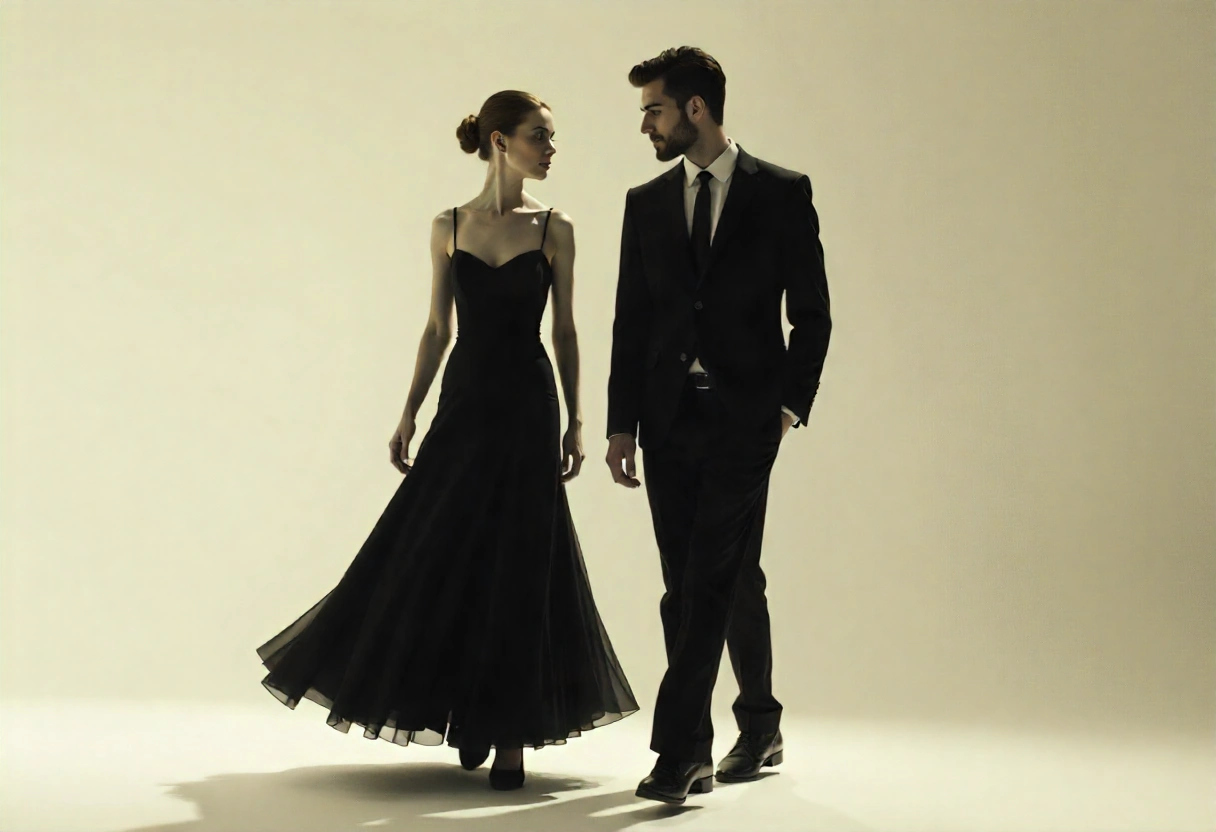
Few phrases in the fashion lexicon cause quite as much confusion as “semi-formal attire requested.” Does semi mean almost formal? Half-dressed? Somewhere between jeans and a silk gowns? The ambiguity sends even seasoned event-goers into wardrobe spirals, holding up outfit after outfit, wondering if they’ve cracked the code.
Here’s the truth: semi-formal occupies prime real estate on the formality spectrum. It asks for polish without pretension, sophistication without stiffness. Think of it as the Goldilocks zone of dress codes—not too casual, not too formal, but just right for most celebratory occasions. This guide dismantles the mystery surrounding semi-formal attire, providing clear direction for creating outfits that look intentional and appropriate across diverse settings.
Defining the semi-formal sweet spot
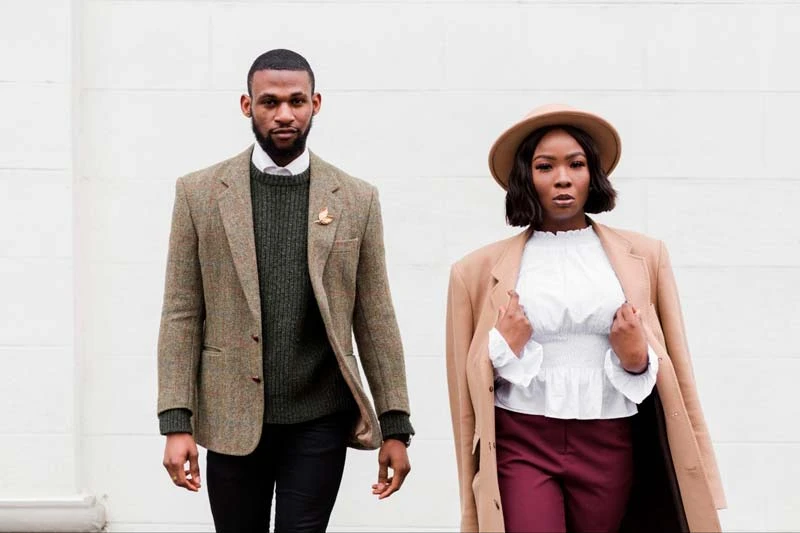
What exactly qualifies as semi-formal? The answer requires understanding both historical context and contemporary interpretation. Modern semi-formal attire bridges the gap between business professional and black-tie events. It demands more refinement than what one might wear to an office or casual dinner, yet stops short of floor-sweeping gowns and tuxedos.
The key distinguishing factor? Intentionality. Semi-formal choices should appear thoughtfully selected rather than thrown together from whatever hangs in the closet. Evening events typically call for richer fabrics and darker colors compared to afternoon celebrations. Venue matters enormously—a country club wedding suggests different choices than a downtown loft reception.
Seasonal considerations, cultural expectations, and regional norms all shape appropriate selections. Spring garden weddings beautifully accommodate a green grass dress in fresh botanical hues, while winter celebrations call for deeper jewel tones. Smart dressers assess these contextual clues before finalizing their outfits.
Women’s semi-formal wardrobe essentials
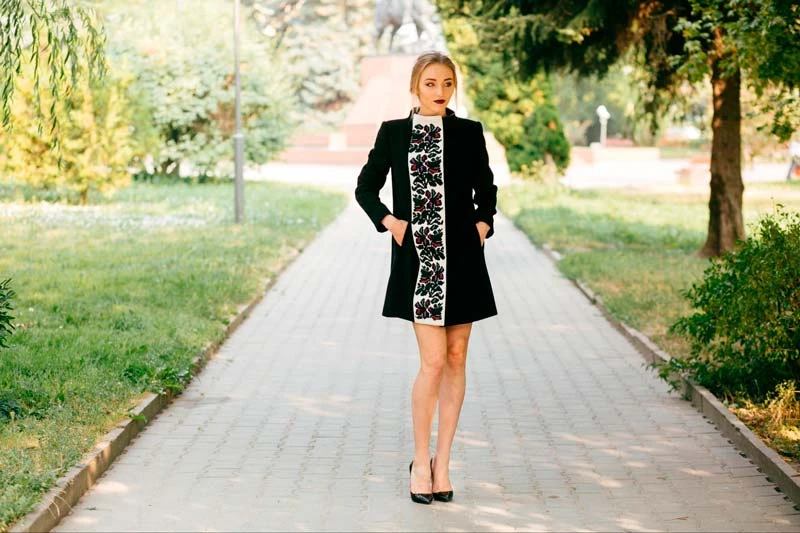
The cocktail dress emerged during the 1920s specifically to address styling challenges between casual and formal attire. As cocktail parties gained social prominence, women needed attire that transitioned elegantly between late afternoon and evening hours. These dresses typically fell below the knee but above the ankle, featured refined fabrics, and showcased enough personality to feel celebratory.
Today’s options extend far beyond the classic cocktail silhouette:
- Knee-length sheaths deliver timeless sophistication perfect for corporate galas.
- Midi-length dresses hitting mid-calf offer contemporary appeal with modest coverage.
- A-line cuts flatter most figures through fitted bodices and gently flared skirts.
- Wrap dresses provide an adjustable fit with universally flattering proportions.
Each silhouette works within semi-formal boundaries when executed in appropriate fabrics.
Beyond dresses: modern alternatives
Has the jumpsuit earned its place at semi-formal events? Absolutely. Wide-legged jumpsuits in luxurious fabrics like silk crepe or structured ponte knit deliver sophisticated polish rivaling traditional dresses. The key lies in tailoring and fabric quality—casual jersey or denim jumpsuits miss the mark entirely.
Elegant two-piece ensembles offer another contemporary option gaining traction. High-waisted trousers in satin or wool paired with coordinating dressy tops create cohesive looks with increased versatility. These separates allow mixing and matching across multiple events, stretching wardrobe value while maintaining appropriate formality.
Fabric and color intelligence
Why does fabric selection matter so profoundly? Material weight, drape, and finish communicate formality levels instantly. Silk, satin, chiffon, and velvet register as appropriately dressy through their natural luster and sophisticated hand. These fabrics photograph beautifully under event lighting and move gracefully as the wearer circulates.
Conversely, cotton jersey, casual knits, and basic cotton read as too relaxed regardless of garment construction.
Color strategy shifts with timing and season:
- Daytime celebrations welcome lighter palettes—soft pastels, bright jewel tones, fresh prints.
- Evening events traditionally favor deeper shades: burgundy, emerald, navy, charcoal, black.
- Metallics like gold, silver, and rose gold work beautifully after dark.
- Spring and summer invite florals and lighter fabrics.
- Fall and winter suit richer textures and saturated hues.
Completing the picture: accessories
Can accessories make or break a semi-formal outfit? Undoubtedly. Footwear demands particular attention—closed or open-toe heels in refined materials set the appropriate tone. Pumps remain classics, while strappy sandals or elegant mules work for warmer seasons. Block heels offer stability without sacrificing style.
Jewelry should enhance rather than overwhelm. Statement earrings pair beautifully with updos or sleek hairstyles. Delicate necklaces add sparkle to simple necklines. Structured clutches or small handbags maintain the polished aesthetic. Evening wraps or tailored blazers provide coverage for cooler venues while preserving formality.
Men’s semi-formal wardrobe foundations
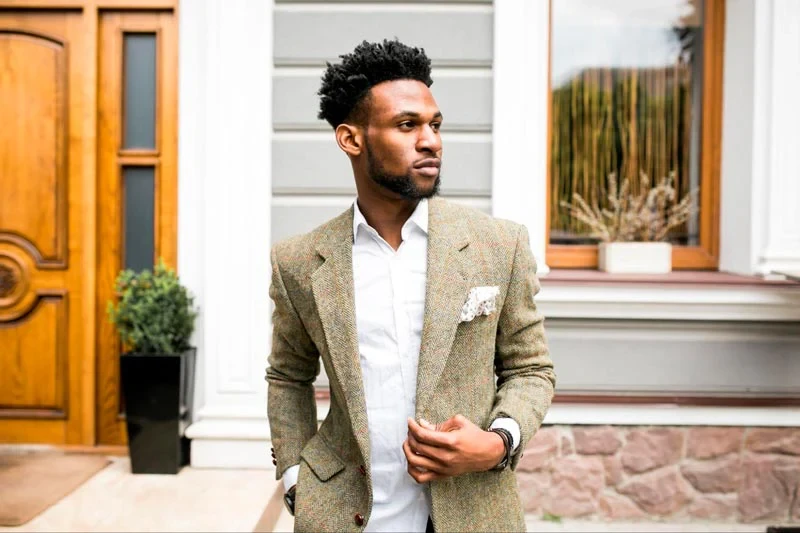
Where should men start when interpreting semi-formal dress codes? The well-fitted suit forms the cornerstone of men’s semi-formal attire. This dress code sits comfortably between business casual and black-tie formality, requiring polish without demanding tuxedos.
Dark suits in navy, charcoal, or black provide the most versatile foundation. These colors work across seasons and occasions, photographing well while maintaining sophisticated presence. Lighter gray suits can work for daytime spring and summer events, though darker tones suit evening occasions better.
Suit construction and fit essentials
Proper tailoring separates acceptable from exceptional. Jacket shoulders should align naturally with body structure without pulling or gapping. Sleeve length should end at the wrist bone, allowing about half an inch of shirt cuff to show. The jacket should button comfortably without straining fabric or creating excess folds.
Two-button single-breasted styles represent the most traditional and versatile choices. Three-button jackets work as well, though the middle button alone should be fastened. Double-breasted jackets deliver more formal presence when properly executed.
Trouser fit matters equally. They should sit at the natural waist without sagging or requiring constant adjustment. The break—where trousers meet shoes—should show minimal fabric pooling. A slight break or no break creates the most contemporary, polished line.
Shirt and tie coordination
Dress shirts in white or light blue provide classic foundations that pair effortlessly with most suits. The collar should fit comfortably—one finger width of space between collar and neck indicates proper sizing. French cuffs add refinement for more formal semi-formal occasions, while barrel cuffs work perfectly for most events.
Neckties remain expected for the majority of semi-formal occasions. Silk ties in solid colors or subtle patterns complement suit choices effectively. The tie width should harmonize with jacket lapels, typically ranging between 2.5 and 3.5 inches. Pattern mixing works when executed thoughtfully—striped ties with solid suits, or vice versa.
For outdoor summer events or less traditional settings, removing the tie may be acceptable. However, this decision should consider venue expectations and overall formality.
Footwear and finishing details
Leather dress shoes in black or brown complete the semi-formal look. Oxford shoes represent the most formal choice within the category. Derby shoes offer slightly less formality while remaining entirely appropriate. Monk strap styles add personality without sacrificing polish.
Shoe and belt colors should coordinate—black shoes with black belts, brown with brown. Shoes must be clean and well-maintained, as scuffed or worn footwear undermines the entire polished appearance.
Finishing touches elevate the overall presentation:
- Quality watches add sophistication without ostentation.
- Pocket squares introduce color and texture when folded neatly.
- Cufflinks enhance French cuff shirts with understated elegance.
- Dark dress socks should coordinate with trousers rather than shoes.
Navigating common semi-formal occasions
Understanding typical events requiring semi-formal attire helps in preparing appropriate wardrobe choices and interpreting the dress code correctly across different contexts.
Weddings and celebrations
Weddings frequently specify semi-formal or cocktail attire, particularly for evening receptions or upscale venues. Guests should consider the ceremony location, time of day, and seasonal factors when selecting outfits.
For women, cocktail dresses in colors that complement but do not compete with wedding party attire prove appropriate. Avoiding white, ivory, or colors that might photograph as white shows proper etiquette. Men typically wear dark suits with ties, ensuring their appearance demonstrates respect for the occasion.
Engagement parties, milestone birthday celebrations, and anniversary gatherings may also request semi-formal attire, indicating hosts expect refined appearance that honors the event’s significance.
Corporate and professional events
Evening corporate functions, awards ceremonies, fundraising galas, and company holiday parties often adopt semi-formal dress codes. These occasions call for professional polish with appropriate formality that respects the business context.
Professional semi-formal attire should lean toward conservative choices. Women might select knee-length sheath dresses or elegant pantsuits in darker colors. Men should wear well-tailored dark suits with conservative ties. The emphasis remains on looking polished and professional while acknowledging the celebratory nature.
Social and evening gatherings
Cocktail parties, theater performances, upscale dinner parties, and charity events frequently employ semi-formal dress codes. These occasions provide more flexibility for personal style expression while maintaining sophisticated presentation standards.
The venue often provides guidance about appropriate formality levels. A cocktail party at an art gallery or upscale restaurant calls for refined choices, while a private residence gathering might allow slightly more relaxed interpretations within the semi-formal framework.
What to avoid in semi-formal settings
Understanding what falls outside semi-formal parameters helps prevent inappropriate choices that might cause discomfort or social awkwardness.
Casual fabrics and garments should be avoided entirely:
- Denim in any form never qualifies as semi-formal.
- T-shirts, athletic wear, shorts remain off-limits.
- Casual sandals, sneakers, flip-flops fall well outside appropriate boundaries.
- Overly revealing clothing contradicts the refined nature of the dress code.
At the other extreme, formal evening wear exceeds semi-formal requirements. Floor-length gowns and tuxedos typically prove too formal unless the event specifically requests this level of dress. Overdressing can feel as uncomfortable as underdressing.
Excessive embellishment, loud patterns, or costume-like elements detract from the sophisticated aesthetic semi-formal occasions demand. While personal style has a place within dress code parameters, maintaining good taste and appropriateness remains essential.
Seasonal adaptations for semi-formal attire
Adjusting semi-formal choices for different seasons demonstrates awareness and consideration while maintaining appropriate formality levels.
Spring and summer considerations
Warmer seasons allow for lighter fabrics, brighter colors, and slightly less structured silhouettes. Women can select dresses in lightweight fabrics like silk, chiffon, or lined cotton with floral prints, pastels, or vibrant solid colors. Strappy sandals and open-toe shoes become acceptable when they maintain an elegant appearance.
Men might choose lighter-weight suit fabrics such as tropical wool or cotton blends. Lighter colors including tan, beige, and light gray suits work for daytime spring and summer events. Lighter shirt colors and ties in seasonal hues coordinate well with these choices.
Fall and winter selections
Cooler seasons call for richer colors, heavier fabrics, and additional layers. Women can incorporate velvet, brocade, or heavier silk fabrics into their semi-formal choices. Deeper jewel tones, burgundy, forest green, and classic black suit the season. Closed-toe shoes become more appropriate, and elegant wraps or evening jackets provide both warmth and style.
Men should select suits in traditional fall and winter fabrics like wool or wool blends. Darker colors dominate appropriate choices. Layering with quality overcoats or topcoats maintains sophisticated appearance when transitioning between outdoor and indoor environments.
