

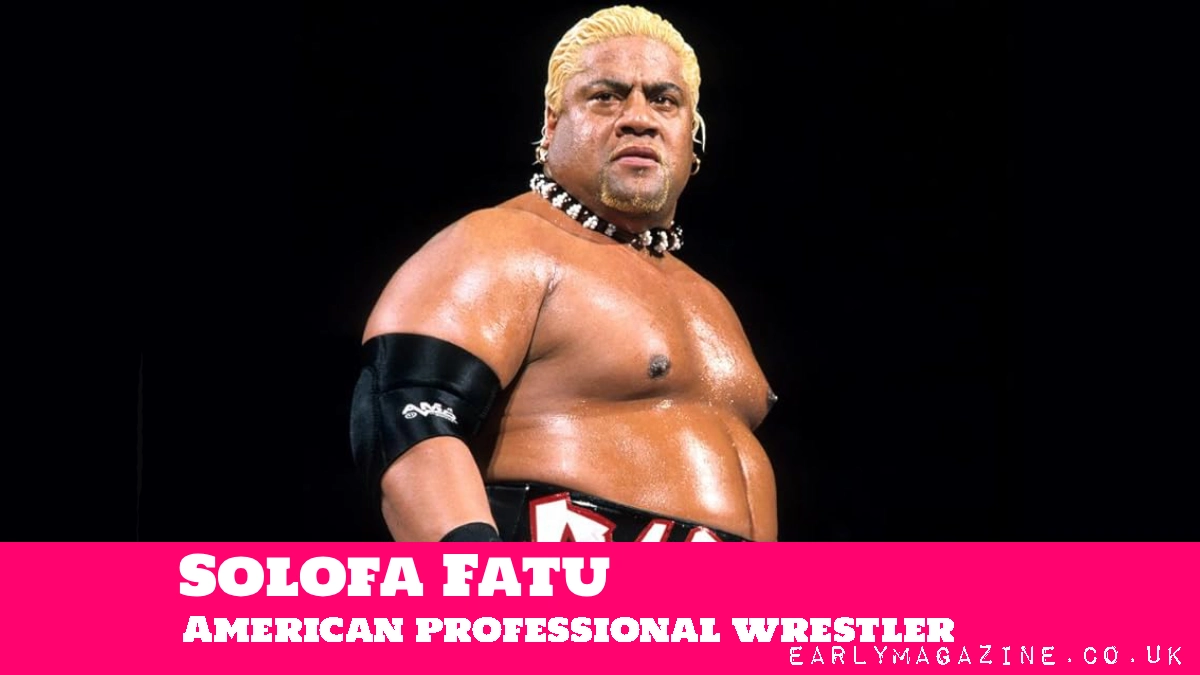
Solofa Fatu built a $2 million net worth through smart career choices and financial planning. His Rikishi character generated wealth during his active years, while his training academy and family legacy ensure continued income.
Most people know him as Rikishi, the 400-pound entertainer who danced his way into wrestling history. But Solofa Fatu Jr. built more than just a memorable character. He created a wrestling empire that spans generations. His financial story offers a window into how wrestlers from the Attitude Era turned fame into fortune.
Solofa Fatu net worth stands at approximately $2 million as of 2025. This wealth comes from his decades-long wrestling career, acting roles, merchandise sales, and his wrestling training academy. His sons, The Usos and Solo Sikoa, continue the family legacy in WWE today.
This article explores how Rikishi built his fortune, what he earns from different sources, and how his financial legacy compares to other wrestling legends.
Who Is Solofa Fatu?
Born on October 11, 1965, in San Francisco, California, Solofa Fatu Jr. grew up in the Sunnydale Projects of Visitacion Valley. He comes from the legendary Anoa’i wrestling family, which produced stars like The Rock, Roman Reigns, and Yokozuna.
At age 17, Fatu survived a drive-by shooting that left him clinically dead for three minutes. After recovering, his mother sent him to train with his uncles, Afa and Sika Anoa’i (The Wild Samoans). This decision shaped his entire future.
Fatu stands 6 feet 1 inch tall and competed at a billed weight of 425 pounds during his peak wrestling years. He married Talisua Fuavai-Fatu in 1985 and has eight children, including WWE superstars Jimmy Uso, Jey Uso, and Solo Sikoa.
Breaking Down Solofa Fatu Net Worth
Primary Income Sources
WWE Career Earnings
Fatu’s main wealth came from his WWE contracts spanning multiple decades. He debuted in 1992 as part of The Headshrinkers and later became Rikishi in 1999. During the Attitude Era, top performers earned between $500,000 to $1 million annually through base salary, pay-per-view bonuses, and merchandise sales.
His Intercontinental Championship reign in 2000 and multiple tag team title runs boosted his earning potential. WWE’s profit-sharing model meant popular stars like Rikishi received substantial bonuses from merchandise featuring his likeness.
Wrestling Academy
Fatu operates the KnokX Pro Wrestling Academy, training the next generation of wrestlers. The academy provides a steady income stream while allowing him to pass on his expertise. Training fees from aspiring wrestlers contribute to his overall net worth.
Acting and Entertainment
Beyond wrestling, Fatu appeared in several productions:
- Adam Sandler’s “Sandy Wexler” (Netflix)
- “Kingdom of Gladiators: The Tournament” (earned a Stuntman’s Award nomination)
- “Hawaii Five-0” television series
- Various WWE-related media appearances
These acting roles added diversity to his income portfolio, though wrestling remained his primary revenue source.
Revenue Breakdown Table
| Income Source | Estimated Annual Contribution |
|---|---|
| WWE Royalties & Appearances | $100,000 – $150,000 |
| Wrestling Academy | $50,000 – $80,000 |
| Merchandise & Licensing | $30,000 – $50,000 |
| Acting & Entertainment | $20,000 – $40,000 |
| Independent Bookings | $10,000 – $30,000 |
Career Highlights That Built His Wealth
The Headshrinkers Era (1992-1996)
Fatu’s WWE debut as Fatu, one-half of The Headshrinkers with cousin Samu, established his foundation. The team won the World Tag Team Championship in April 1994, defeating The Quebecers on Monday Night Raw. This title win increased his profile and earning potential.
The Rikishi Character (1999-2004)
The 1999 repackaging changed everything. As Rikishi, Fatu joined Too Cool (Scotty 2 Hotty and Grandmaster Sexay), creating one of WWE’s most popular acts. His signature “Stinkface” move became iconic, appearing on countless merchandise items.
Key achievements during this period:
- Won WWF Intercontinental Championship in June 2000
- Reached King of the Ring 2000 finals
- Multiple tag team championship reigns
- Consistent main event performer during peak WWE popularity
Post-WWE Career (2004-Present)
After leaving WWE in July 2004, Fatu continued wrestling on the independent circuit. He shortened his ring name to “Kishi” due to WWE’s trademark on “Rikishi.” International appearances in Italy, Japan, and Mexico added to his income.
His 2015 WWE Hall of Fame induction, with his sons The Usos presenting, cemented his legacy. Hall of Famers receive annual appearance fees for WWE events, contributing to long-term income.
How His Net Worth Compares
Wrestling Peers Comparison
Compared to other Attitude Era stars:
- The Rock: $800 million (Hollywood success multiplied his wealth)
- Stone Cold Steve Austin: $30 million (podcasts and acting added revenue)
- Kurt Angle: $5 million (TNA and WWE contracts)
- Rikishi: $2 million (primarily wrestling-focused income)
Family Dynasty Wealth
Fatu’s sons are building their own fortunes:
- The Usos (Jimmy and Jey): Combined estimated $4-6 million
- Solo Sikoa: Estimated $1-2 million (rising)
- Roman Reigns (cousin): Estimated $15 million
The family’s combined wealth demonstrates the Anoa’i dynasty’s financial impact on professional wrestling.
The Anoa’i Family Legacy
Solofa Fatu represents just one branch of wrestling’s most successful family tree. The Anoa’i family has generated millions through multiple generations of performers.
Family connections include:
- The Rock (cousin through blood brotherhood)
- Roman Reigns (shares same grandparents)
- Yokozuna (cousin)
- Umaga (younger brother, deceased)
- Jacob Fatu (nephew)
- The Wild Samoans (uncles Afa and Sika)
This network creates opportunities for cross-promotion, training referrals, and business ventures. Family members often train together, share booking agents, and collaborate on independent appearances.
Current Business Ventures
KnokX Pro Wrestling Academy
Based in Florida, Fatu’s wrestling school attracts students from across the United States. The academy offers:
- Basic wrestling training programs
- Advanced technique workshops
- Character development coaching
- Business aspects of professional wrestling
Students pay tuition ranging from $2,000 to $5,000 for comprehensive training programs. With multiple classes throughout the year, this venture provides consistent income.
Merchandise and Licensing
WWE continues selling Rikishi-branded merchandise, generating royalty payments. Items include:
- Retro t-shirts featuring the Too Cool era
- Action figures and collectibles
- Video game appearances (WWE 2K series)
- WWE Network documentary royalties
These passive income streams require no active work but contribute significantly to his annual earnings.
Independent Appearances
Fatu commands $2,000 to $5,000 per independent wrestling show appearance. Convention appearances for autographs and photo opportunities add another revenue stream. Fan conventions pay between $10,000 and $20,000 for weekend appearances by Hall of Fame talent.
Lifestyle and Assets
Fatu resides in Poinciana, Florida, maintaining a relatively modest lifestyle compared to some wrestling legends. His focus remains on family and training the next generation rather than flashy displays of wealth.
The wrestling business taught him financial caution. Many wrestlers from his era faced bankruptcy after retirement, but Fatu diversified his income sources early. His academy provides both purpose and profit.
Challenges and Setbacks
Near-Death Experience Impact
The 1982 shooting incident shaped Fatu’s perspective on money and life. He spent two months in the hospital, learning the value of security and savings early. This experience influenced his conservative financial management.
Wrestling Industry Changes
WWE’s business model evolution affected earnings potential. The territory system’s collapse in the 1980s changed how wrestlers built wealth. Modern WWE contracts include downside guarantees, but independent wrestlers face uncertainty.
Fatu’s career spanned this transition period. He adapted by creating multiple income streams rather than relying solely on wrestling contracts.
Family Responsibilities
Supporting eight children required careful financial planning. Fatu invested in his sons’ wrestling training, which eventually paid dividends as three became WWE superstars. This investment in family created long-term financial benefits.
Future Financial Outlook
Sons’ Success Impact
As Jimmy Uso, Jey Uso, and Solo Sikoa continue rising in WWE, Fatu’s profile increases. Family storylines on WWE television keep his name relevant, driving merchandise sales and appearance fees.
The Usos set the record for the longest tag team championship reign in WWE history at 622 days. Their success reflects positively on their father’s legacy and training methods.
Hall of Fame Benefits
WWE Hall of Famers receive preferential treatment for appearances and special events. Annual WrestleMania weekend appearances provide guaranteed income. Rikishi’s induction ensures continued relevance in WWE’s historical narrative.
Academy Expansion
The wrestling school could expand with additional locations or online training programs. Digital content creation offers new revenue possibilities. Many retired wrestlers now earn through YouTube channels and Patreon subscriptions.
Lessons from Rikishi’s Financial Journey
Diversification Matters
Fatu never relied on a single income source. Wrestling contracts ended, but he built complementary businesses. The academy, acting work, and merchandise created financial stability.
Family Investment Pays Off
Training his sons in wrestling created a family business. Their success enhances his legacy while creating mutual financial benefits. Family appearances at conventions command higher fees than solo bookings.
Character Development Creates Value
The Rikishi character became instantly recognizable, generating merchandise sales decades later. Strong character work in wrestling translates to long-term earning potential. Generic wrestlers struggle to monetize their careers after retirement.
Smart Transitions
Moving from active competition to training and mentoring extended Fatu’s career earning window. Physical limitations eventually affect all wrestlers, but knowledge and experience remain valuable assets.
Frequently Asked Questions
What is Solofa Fatu’s current net worth?
His net worth is approximately $2 million as of 2025, primarily from his WWE career and current business ventures.
How much did Rikishi earn during his WWE career?
Peak earnings during the Attitude Era likely ranged from $500,000 to $1 million annually including bonuses and merchandise.
Do The Usos contribute to Rikishi’s wealth?
Indirectly, yes. Their success increases his appearance fees and keeps his merchandise relevant to current WWE fans.
What businesses does Solofa Fatu own?
He operates the KnokX Pro Wrestling Academy in Florida and receives income from merchandise licensing and acting work.
How does his net worth compare to other Hall of Famers?
His $2 million places him in the middle range. Some Hall of Famers have significantly more through business ventures outside wrestling.
Unlike many wrestlers who struggled financially after retirement, Fatu created sustainable revenue streams. His story shows that wrestling success requires both in-ring talent and business acumen. The Anoa’i family tradition continues growing, with each generation learning from the last.
Rikishi remains active in wrestling culture, training students and making select appearances. His net worth reflects a successful career that balanced entertainment value with financial responsibility. For fans and aspiring wrestlers alike, his journey offers valuable lessons about building lasting wealth in the unpredictable world of professional wrestling.
For more insights into how modern icons navigate fame and fortune, visit EarlyMagazine UK—where boundary-breaking careers and financial wisdom come together.
