

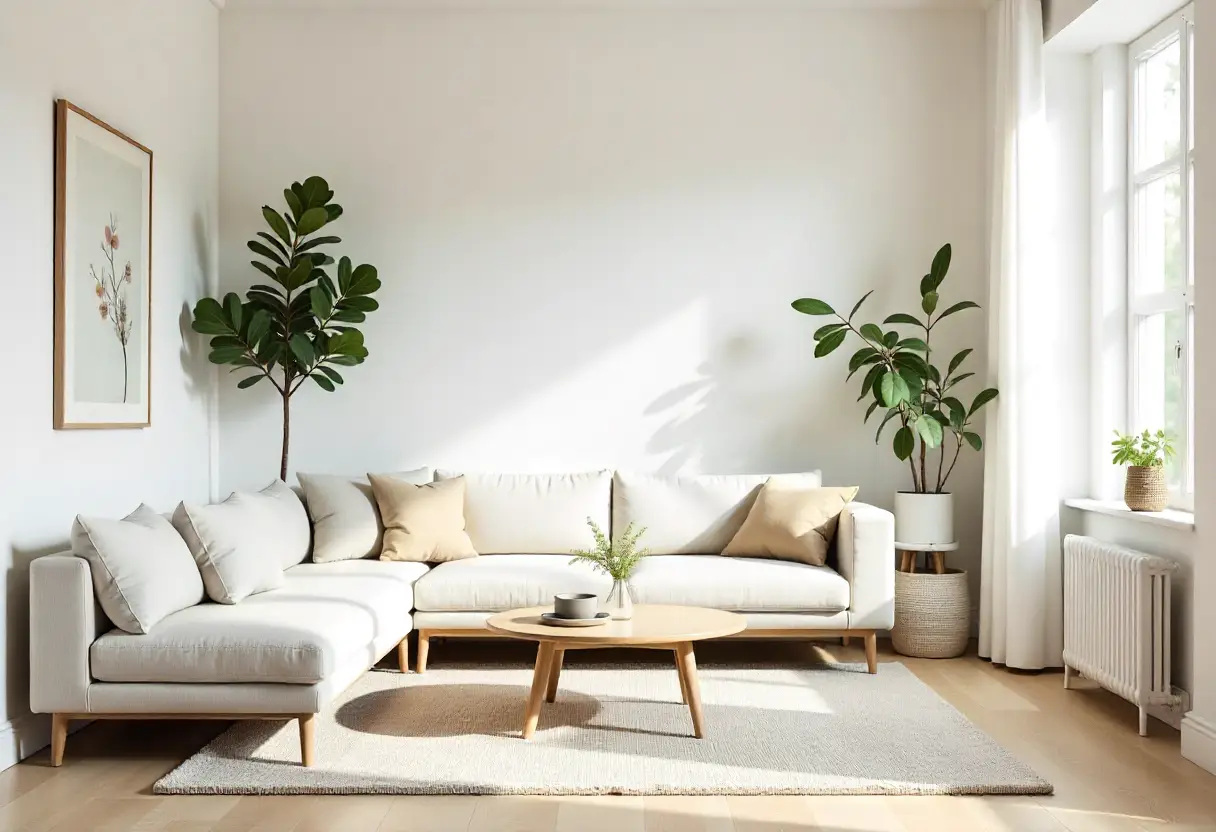
The Minimalist Lifestyle emphasizes purpose, clarity, and fewer distractions in life. Many individuals find that their homes become cluttered, which causes them to feel overwhelmed mentally and physically, due to the number of things they own. Through creating open, breathable spaces, an individual reduces the number of things they own and therefore has an easier and more peaceful daily functioning.
Space Management is a key component to making Minimalism successful. When space is managed well and items are organized properly to meet an individual’s needs, that same space feels calmer and more functional. Establishing a regular routine allows individuals to maintain their spaces as being clean, keep necessary items within reach, and store additional belongings in an efficient manner. Creating space that is reflective of an individual is a way of establishing a life based upon Clarity, Comfortable Living, and Mindfulness.
Why Clutter Holds People Back
Clutter builds up slowly and makes it difficult to enjoy a peaceful, minimalist lifestyle. When too many items fill a home, it becomes harder to think clearly, move freely, or find what you need. Clutter also creates visual noise, making rooms feel smaller and more stressful than they really are. Understanding why clutter forms helps people make better choices and maintain simplicity with less effort.
How Clutter Accumulates
Most clutter comes from holding on to things “just in case,” buying without intention, or not having a clear system for belongings. Items that once felt useful often lose their purpose but remain in drawers, closets, or shelves. Over time, these forgotten things pile up and begin to shape the environment in ways that reduce comfort.
Quick Q and A
Why does clutter feel so overwhelming?
Because it takes up physical and mental space, making tasks feel harder than they should.
How can I reduce clutter without feeling stressed?
Start with small categories and remove what you no longer use, one simple step at a time.
Sorting What Truly Matters
Sorting what truly matters is the foundation of a minimalist lifestyle. When items are chosen with intention, the home becomes a place of calm instead of chaos. This step is about understanding your needs, keeping what supports your daily life, and letting go of what no longer serves a purpose. The process brings clarity and reveals how much space you can reclaim.
A Simple Sorting Method
Begin by grouping your belongings into essentials, sometimes-use items, and things you no longer need. Essentials stay visible and accessible. Sometimes-use items can be stored neatly in labeled bins or drawers. Anything that doesn’t add value to your day-to-day life can be donated, recycled, or passed on.
A Practical Perspective
This method works because it helps you focus on usefulness instead of quantity. By keeping only the items that matter, you open your home, reduce stress, and create a more intentional way of living. Every small decision builds a space that truly supports a minimalist lifestyle.
Smart Space-Saving Methods
Smart space-saving methods help minimalist lifestyles feel natural and achievable. The goal is not to live with nothing but to keep only what adds value. Space-saving tools such as vertical shelving, foldable items, and compact organizers make it easier to maintain open rooms and calm surroundings. When paired with intentional habits, these methods help prevent clutter from returning and support a more peaceful home.
Minimalist FAQ
What is the best way to save space in a small home?
Use vertical storage, compact organizers, and remove items you no longer use to open up more room.
How can I store belongings I rarely need but still want to keep?
Place long-term or seasonal items in self storage in Moreno Valley so your home stays open while still keeping important belongings accessible.
Questions About Maintaining Minimalism
How do I stop clutter from building up again?
Review your items regularly and avoid bringing new things into your home unless they serve a true purpose.
Daily Minimalist Habits
Daily minimalist habits keep your home feeling open, light, and peaceful. When you maintain small routines, you prevent clutter from building up and support a lifestyle built on simplicity. These habits also make your home easier to clean, easier to navigate, and more enjoyable to live in. The key is to focus on consistency rather than perfection.
Before using the tips below, take a moment to notice where clutter tends to appear most often—tables, shelves, entryways, or bedside areas. This helps you choose routines that match your needs.
Clear surfaces at the end of each day.
- Put items back immediately after use.
- Keep a small donation box for unneeded items.
- Limit new purchases to must-have essentials.
- Do a weekly 10-minute reset to maintain order.
After practicing these steps, you’ll notice your home feels calmer and easier to manage.
Key takeaway summary:
Minimalism thrives on intentional routines, smart storage, and choosing belongings with purpose. By keeping surfaces clear, storing only what supports your lifestyle, and reviewing items regularly, you create a home that feels open, peaceful, and aligned with your values.
Creating Calm at Home
A simple real-life example shows how better space management can completely change the feel of a home. One homeowner wanted to embrace a minimalist lifestyle but struggled with constant clutter from old décor, unused kitchen tools, and sentimental items. She felt overwhelmed by the idea of parting with things, even though her home looked crowded. After speaking with a professional organizer known for helping people simplify gently, she learned a few routines that transformed her living space and her peace of mind.
A Minimalist Experience
The organizer suggested starting with the easiest areas—bathroom shelves, bedside tables, and kitchen drawers. These spaces offered quick wins and built confidence. She also recommended a weekly fifteen-minute reset, during which the homeowner returned stray items to their places and chose one small thing to remove or donate. Within a month, the home felt lighter. Walking through each room became more pleasant, and cleaning took far less time. These changes made it easier to stay committed to minimalism without feeling deprived.
Expert Insight
A well-supported minimalist lifestyle is very successful. Most people fail because they either attempt to do too much at once (decluttering everything all at once) or they create impossible rules. Through purpose, routine, and gentle editing, a person can create an environment of peace and calm that will persist over time. With a weekly check-in, mindfully selecting items to keep, and maintaining clear surfaces, an individual can establish a peaceful and calming minimalist environment in their home.
Some common mistakes people make include attempting to declutter their entire home in one day which is burnout, storing items in random locations which makes maintaining order much more difficult, maintaining duplicates of items (even if only occasionally) wastes precious space, and failing to conduct weekly reset routines introduces clutter back to the environment. Moreover, it creates a high level of stress when individuals allow themselves to build a collection of sentimental items. Too soon purchasing organizing products leads to unnecessary expenses, not labelling activities or items creates confusion, and keeping broken items consumes available space.
Final Thoughts
Minimalist lifestyles thrive when space is managed intentionally and supported by simple daily habits. By choosing items with care, creating routines that prevent clutter, and setting up storage that feels natural, your home becomes peaceful, open, and easier to enjoy. Start with one small step today and see how minimalist lifestyles thrive with better space management can guide you toward a calmer, more intentional way of living.
To wrap up, this guide shows how intentional space management can transform minimalist living into a peaceful, balanced lifestyle, and you can always explore more insightful home and lifestyle content like this on EarlyMagazine.
