

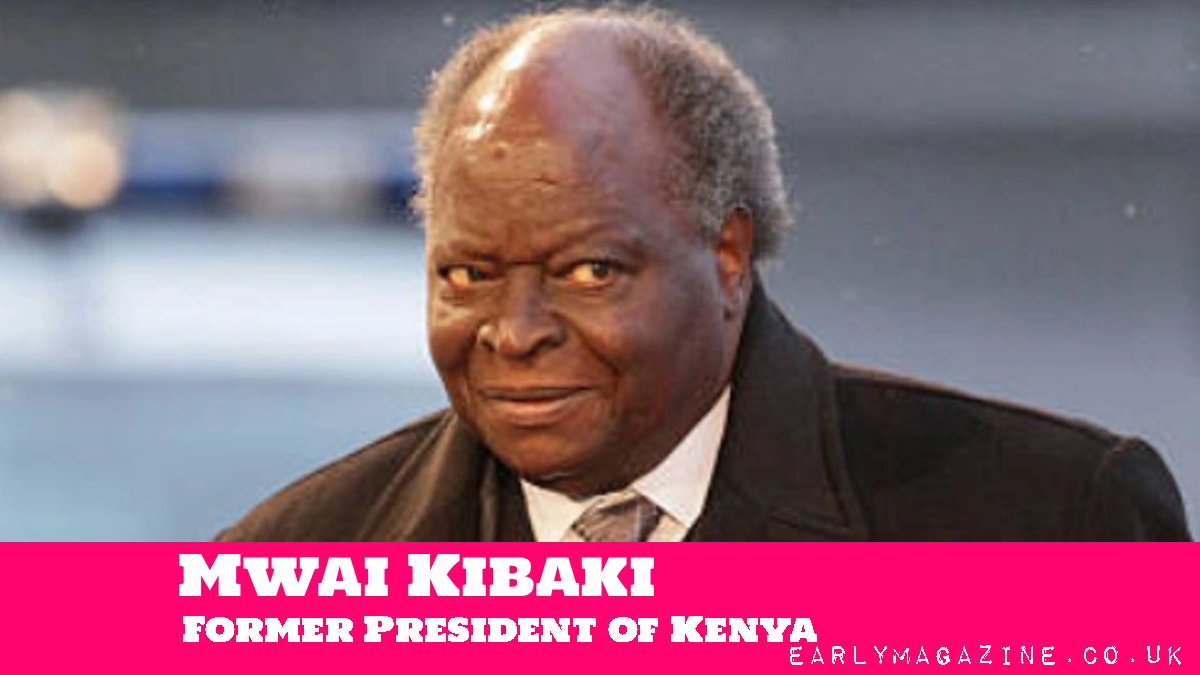











Mwai Kibaki net worth ranged between $50 million and $70 million. The former Kenyan president accumulated wealth through his salary, real estate investments, agricultural land, and business holdings. His estate included properties in Nairobi, Mweiga, Nakuru, and other prime locations across Kenya.
When Mwai Kibaki died in April 2022, Kenyans mourned more than just a former president. They remembered a skilled economist who steered the country through significant economic growth. But questions about his personal wealth lingered. Mwai Kibaki net worth was estimated between $50 million and $70 million at the time of his death, making him one of Kenya’s wealthiest politicians. His fortune came from decades in government, strategic investments in real estate, and agricultural holdings across the country.
Kibaki’s wealth story reflects a broader narrative about political power and economic opportunity in Kenya. Unlike some African leaders who accumulated controversial fortunes, Kibaki built his wealth through legitimate business ventures and wise investments over a 50-year career in public service.
This article examines how Kenya’s third president built his fortune, what assets he owned, how his wealth compared to other African leaders, and what happened to his estate after his death. You’ll discover the properties he acquired, his business interests, and the financial legacy he left his family.
Early Career and Government Salaries
Kibaki’s financial journey started modestly. After earning his economics degree from Makerere University and the London School of Economics, he returned to Kenya in 1961. His first job paid just £400 annually as a lecturer at Makerere University College.
His entry into politics in 1963 changed everything. As a Member of Parliament, then Minister of Finance under President Jomo Kenyatta, Kibaki earned competitive government salaries. During his decade as Vice President under Daniel arap Moi (1978-1988), his income increased significantly.
Presidential Earnings
When Kibaki became president in 2002, his monthly salary was approximately Ksh 1.2 million ($14,000). By 2012, presidential pay had risen to Ksh 1.44 million ($17,000) monthly. Over his 10-year presidency, Kibaki earned roughly $2 million in salary alone.
But presidential salaries represented just a fraction of his wealth. Like many long-serving politicians, Kibaki benefited from allowances, retirement packages, and opportunities for investment that came with high office.
Real Estate Holdings
Property formed the backbone of Mwai Kibaki net worth. He owned multiple prime parcels across Kenya, purchased strategically over decades.
Major Properties
His most valuable asset was his Muthaiga home in Nairobi, situated in one of the capital’s most exclusive neighborhoods. This residence, where he lived with his family, was worth several million dollars.
The Mweiga ranch in Nyeri County represented his largest landholding. This sprawling property included farmland and residential structures. Estimates placed its value between $5 million and $10 million.
Kibaki also owned:
- Commercial property in Nairobi’s central business district
- A beach house in Mombasa
- Agricultural land in Nakuru County
- Residential plots in various Nairobi suburbs
- Land in his ancestral Othaya constituency
Investment Strategy
Kibaki bought most properties during the 1970s and 1980s when land prices were relatively low. His economics background helped him identify undervalued areas with growth potential. As Kenya’s economy expanded, particularly during his presidency, these investments appreciated dramatically.
Agricultural Investments
Beyond urban real estate, Kibaki invested heavily in farming. His Mweiga ranch produced dairy products, maize, and other crops. He employed local workers and used modern farming techniques to maximize productivity.
Agricultural income provided steady cash flow throughout his retirement. The ranch generated hundreds of thousands of dollars annually through crop sales and livestock operations.
Business Interests and Shareholdings
Kibaki held shares in several Kenyan companies, though he kept these investments relatively private. Reports indicated stakes in:
- Banking institutions
- Insurance companies
- Agricultural cooperatives
- Manufacturing firms
His business portfolio was conservative compared to other politicians. Kibaki avoided controversial deals and maintained a reputation for financial prudence.
Presidential Retirement Benefits
Kenya’s Presidential Retirement Benefits Act entitled Kibaki to substantial perks after leaving office in 2013. These included:
| Benefit | Value |
|---|---|
| Monthly pension | Ksh 1.08 million ($13,000) |
| Lump sum payment | Ksh 48 million ($575,000) |
| Office and staff | Fully funded |
| Medical coverage | Comprehensive |
| Security detail | Lifetime protection |
| Two vehicles | Replaced every four years |
These benefits cost Kenyan taxpayers approximately $300,000 annually. Over his nine years of retirement until death, they totaled nearly $3 million.
Comparing Kibaki’s Wealth to Other Leaders
How did Mwai Kibaki net worth stack up against other African presidents?
His estimated $50-70 million was modest compared to leaders like:
- Uhuru Kenyatta: $500-700 million (his successor)
- Jacob Zuma: $20-30 million (former South African president)
- Paul Kagame: $500 million (Rwanda’s president)
- Cyril Ramaphosa: $450 million (South African president)
Kibaki’s wealth was substantial but not extraordinary by African presidential standards. He accumulated less than Kenya’s richest politicians, suggesting he didn’t exploit his position for maximum personal gain.
Family Wealth Distribution
After Kibaki’s death in April 2022, his estate passed to his wife Lucy Kibaki (who predeceased him in 2016) and their four children: Judy, Jimmy, David, and Tony.
His children had already established their own careers. Jimmy Kibaki became a businessman and politician. The family maintained control over the Mweiga ranch and other key properties.
Estate division remained private, but Kenyan succession law typically distributes assets among spouses and children. The estate’s total value, including property appreciation since his death, likely exceeded $80 million.
Controversies and Wealth Scrutiny
Unlike many African leaders, Kibaki faced limited corruption allegations regarding personal enrichment. His administration battled corruption scandals like Anglo Leasing, but critics rarely accused him directly of stealing public funds.
The most significant controversy involved the “Kenyatta family-Kibaki family” business connections. Some claimed his government favored certain business interests, though concrete evidence remained elusive.
His relatively clean reputation regarding personal wealth distinguished him from more controversial African leaders.
Economic Legacy vs Personal Fortune
Kibaki’s economic record overshadowed discussions about his personal wealth. Under his presidency (2002-2013), Kenya’s GDP growth averaged 4-7% annually. He introduced free primary education, improved infrastructure, and created a more business-friendly environment.
Critics argued that while the economy grew, wealth inequality widened. Kibaki and his political class prospered while many Kenyans remained poor. This tension between national economic growth and personal enrichment characterized his legacy.
What Built Kibaki’s Fortune
Three main factors created Mwai Kibaki net worth:
Long government service: Five decades in politics provided consistent income and investment opportunities.
Strategic real estate: Early property purchases in high-growth areas generated substantial appreciation.
Financial discipline: His economics training helped him make sound investment decisions and avoid risky ventures.
Unlike politicians who relied on corruption, Kibaki built wealth through patience and strategic planning. His approach resembled that of a careful investor rather than an opportunistic looter.
Frequently Asked Questions
How much was Mwai Kibaki worth when he died?
Estimates placed his net worth between $50 million and $70 million, including real estate, agricultural land, and business investments.
What was Kibaki’s most valuable asset?
His Mweiga ranch in Nyeri County, valued between $5 million and $10 million, represented his largest single asset.
Did Kibaki face corruption charges?
No. While his administration faced corruption scandals, Kibaki personally avoided serious allegations of illegal wealth accumulation.
How much did Kibaki earn as president?
His monthly presidential salary reached approximately Ksh 1.44 million ($17,000) by 2012, totaling roughly $2 million over his decade in office.
Who inherited Kibaki’s wealth?
His four children inherited his estate after both he and his wife Lucy passed away, maintaining control over family properties and businesses.
Conclusion
Mwai Kibaki net worth tells the story of a politically savvy economist who understood wealth creation. His $50-70 million fortune wasn’t the largest among African leaders, but it reflected decades of strategic investment and financial discipline. From his Muthaiga residence to the sprawling Mweiga ranch, Kibaki’s assets demonstrated how long-term political service could generate substantial personal wealth within legal boundaries.
His financial legacy raises important questions about the relationship between public service and private enrichment in Kenya. While Kibaki avoided the egregious corruption that plagued some African leaders, his fortune still illustrated how political power creates economic opportunities unavailable to ordinary citizens. Understanding his wealth helps us grasp both his personal success and the broader dynamics of money and power in Kenyan politics.
For more insights into how political leaders and global icons navigate power and prosperity, visit EarlyMagazine UK—where transformative careers and financial wisdom come together.
