

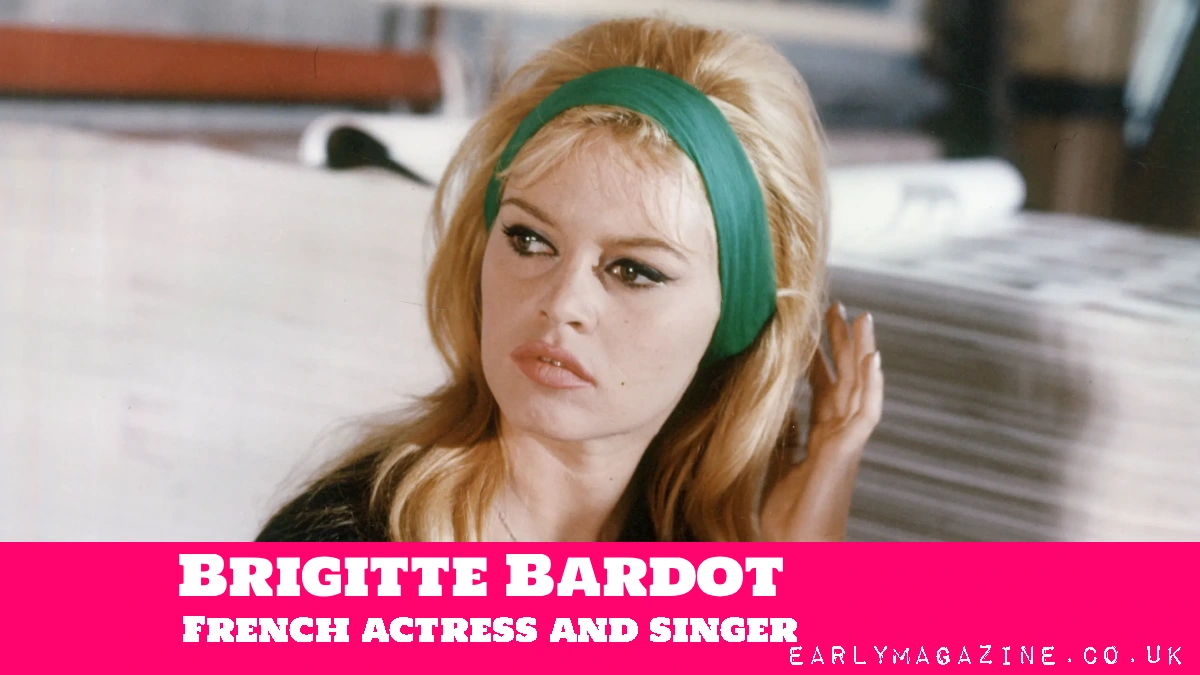
Brigitte Bardot net worth was approximately $65 million at the time of her death in December 2025, according to Celebrity Net Worth. Some estimates that include her real estate portfolio, including her Saint-Tropez estate La Madrague, place the figure closer to $100 million. Her wealth came from film royalties, music, writing, and property.
By Claude Editorial Team | Sourcing: Celebrity Net Worth, Hollywood Life, Var-Matin, Wikipedia
Brigitte Bardot spent four decades building one of the most recognizable names in French cinema, then walked away from it at 39 to spend the rest of her life fighting for animals. By the time she died in December 2025 at age 91, that split career had left her with an estimated fortune that still sparks curiosity today. If you have ever wondered how a woman who quit acting in 1973 kept growing wealthy for another 50 years, you are about to get the full picture.
Brigitte Bardot net worth stood at roughly $65 million at the time of her death, according to Celebrity Net Worth, though some property-focused estimates push the figure as high as $100 million once real estate holdings are factored in. That gap alone tells a story worth unpacking. Her income came from film royalties, music recordings, a bestselling memoir, and decades of savvy property ownership on the French Riviera. She built her fortune fast in the 1950s and 1960s, then made it last by stepping out of the spotlight at the height of her fame.
This article breaks down where Bardot’s wealth came from, how her fortune changed over the decades, and what happened to her estate after her death. You will also find a quick comparison table of her income sources and answers to the most common questions people ask about her finances. Whether you are a longtime fan or just landed here from a search, you will leave with a clear, sourced answer.
Who Was Brigitte Bardot
Brigitte Anne-Marie Bardot was born on September 28, 1934, in Paris, France, into a comfortable industrialist family. She trained as a ballerina before drifting into modeling as a teenager, and that modeling work opened the door to acting.
Her breakout role came in 1956 with And God Created Woman, directed by her then-husband Roger Vadim. The film turned her into an international sensation almost overnight and made her a defining face of the sexual revolution in postwar Europe.
From Screen Star to Animal Rights Icon
Between 1952 and 1973, Bardot appeared in 47 films. She worked alongside major European directors including Jean-Luc Godard and Louis Malle, and she picked up a BAFTA nomination for “Viva Maria!” That was the only major acting-award nomination of her career, which is surprising given her global fame.
In 1973, at just 39, she retired from film for good. She later described fame as a burden rather than a gift. From there, she poured her energy and a large share of her fortune into the Fondation Brigitte Bardot, which she launched in 1986.
How Brigitte Bardot Built Her Fortune
Bardot’s wealth was never tied to one single source. It grew from several overlapping careers that ran at the same time.
Film earnings. At her commercial peak, Bardot was one of the highest-paid actresses in France. Her 47-film run across two decades generated both upfront salaries and long-running royalties that kept paying out for years after she stopped acting.
Music royalties. Bardot recorded more than 60 songs during the 1960s, often teaming up with Serge Gainsbourg. Their duet “Bonnie and Clyde” became an international hit and remains a steady source of royalty income even now, decades later.
Publishing income. Her 1996 memoir, Initiales B.B.: Mémoires, sold well across France and added a meaningful chunk to her income. The book also triggered a lawsuit from her ex-husband and son over comments she made about them, which shows that even her writing carried financial and legal weight.
Real estate. This is where her fortune really compounds. Bardot bought La Madrague, her Saint-Tropez estate, back in 1958. Decades of Riviera property appreciation turned that early purchase into one of her most valuable assets, with some reports valuing it at $23 million or more on its own. She also owned Le Castelet, a 13th-century mansion near Cannes.
Net Worth Timeline: Then vs Now
| Period | Estimated Net Worth | Primary Income Source |
|---|---|---|
| 1960s (peak film career) | Multi-million franc earnings | Film salaries |
| 1973 (retirement from acting) | Several million dollars | Royalties, savings |
| 1986 (founded her foundation) | Tens of millions | Property, royalties, book advances |
| 2025 (at death) | $65 million to $100 million | Real estate, royalties, catalog income |
What Happened to Her Fortune After Death
Bardot died on December 28, 2025, after being hospitalized in Toulon following surgery for a serious illness weeks earlier. French President Emmanuel Macron publicly mourned her, calling her a symbol of French cultural life whose “generous passion for animals” defined her later years.
She is survived by her son, Nicolas-Jacques Charrier, along with two granddaughters and three great-grandchildren. Her estate, including La Madrague and her other properties, is expected to pass primarily through her family, though full estate details had not been made public at the time of writing.
A large share of her legacy lives on through the Fondation Brigitte Bardot, which by the time of her death had taken in more than 12,000 animals and operated campaigns in over 70 countries. She personally funded much of its early work by auctioning off her own jewelry, a detail that shows how deliberately she redirected her wealth once she stepped away from fame.
How Her Wealth Compares to Other Screen Icons of Her Era
Bardot’s fortune sits in a similar range to other European stars who built long careers around a mix of film, music, and property rather than one blockbuster payday. Unlike American contemporaries who leaned heavily on studio contracts, Bardot’s income diversified early, which likely helped her wealth hold up better across five decades out of the spotlight.
Key factors that protected her fortune:
- Owning property early in high-appreciation areas like Saint-Tropez
- Retaining music royalty rights from her 1960s recordings
- Publishing a memoir that generated ongoing sales
- Avoiding major public financial scandals or bankruptcy filings
- Stepping back from costly celebrity lifestyle spending after 1973
That last point matters more than people usually assume. Many stars from her generation burned through fortunes trying to stay relevant. Bardot did the opposite. She left the industry entirely and let her existing assets, especially real estate, do the work.
Lessons From Bardot’s Financial Story
Financial analysts who study celebrity wealth often point to longevity as the real test of a fortune, not peak earnings. Bardot earned her money fast in her twenties and thirties, but she kept it by shifting into low-maintenance assets like property and royalties rather than ongoing high-cost ventures.
She also avoided the trap of chasing a comeback. Plenty of retired stars return to the screen when money gets tight. Bardot never did, even as offers reportedly came in over the years. That discipline, combined with decades of Riviera property gains, is likely why her net worth kept climbing even during her fifty years out of public life.
Final Thoughts
Brigitte Bardot’s financial story is really two stories stitched together. The first is a fast, glamorous rise through French cinema and music in the 1950s and 1960s, where she earned money at a pace few of her peers could match. The second is quieter but arguably more impressive: five decades of steady wealth-building through property, royalties, and disciplined spending, all while she poured her public energy into animal rights work instead of chasing fame.
Her $65 million to $100 million net worth reflects more than just old film paychecks. It reflects decisions she made after she stopped acting, when most stars either fade financially or scramble for relevance. Bardot did neither. She built something that outlasted her career, her fame, and now, her life. Her foundation continues that work today, funded in part by the fortune she spent a lifetime protecting.
For more insights into how modern icons navigate fame and fortune, visit EarlyMagazine UK—where boundary-breaking careers and financial wisdom come together.
