

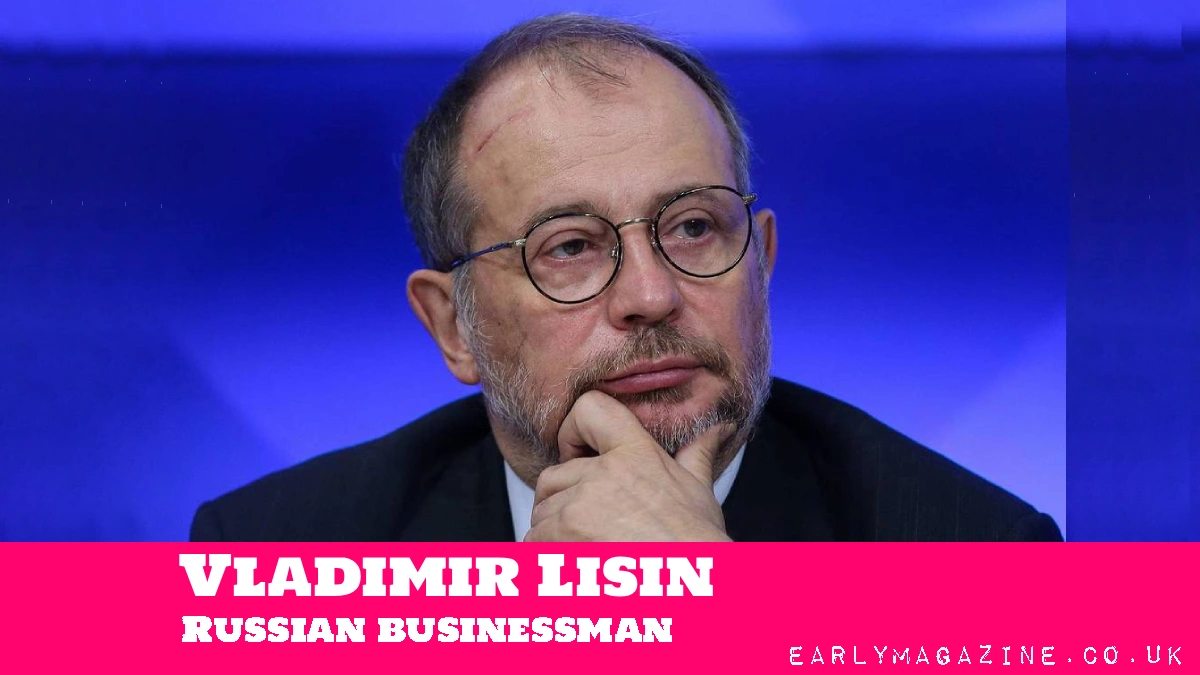




Vladimir Lisin net worth is estimated at $24-26 billion as of 2024. The Russian industrialist built his fortune through NLMK Group, Russia’s largest steel producer. Despite Western sanctions, his wealth stems from steel manufacturing, transport engineering, and port operations across Russia.
Vladimir Lisin stands as one of Russia’s wealthiest individuals, commanding a fortune built on steel, railways, and strategic investments. His net worth of approximately $24-26 billion (as of 2024) positions him among the top billionaires globally. Unlike many Russian oligarchs who made their fortunes through chaotic 1990s privatization, Lisin’s path combined technical expertise with calculated business moves that transformed him from a metallurgist into an industrial titan.
The story behind Lisin’s wealth reveals more than numbers—it showcases how Russia’s post-Soviet economy created opportunities for those who understood both industry fundamentals and political navigation. His control of Novolipetsk Steel (NLMK), one of the world’s most efficient steel producers, forms the backbone of his fortune.
How Vladimir Lisin Built His Fortune
Lisin’s journey began far from boardrooms. Born in 1956, he worked as a mechanic at a Siberian coal mine after completing his metallurgy degree. This hands-on experience gave him insights that many business school graduates lack—he understood production from the ground up.
The turning point came in the 1990s. Lisin joined Trans-World Group, a metals trading company that operated during Russia’s turbulent privatization period. While there, he developed relationships and expertise that would prove invaluable. By 1998, he had positioned himself to acquire a controlling stake in Novolipetsk Steel.
NLMK wasn’t just another steel plant. Under Lisin’s management, it became one of the world’s most profitable steel producers. He invested heavily in modernization, implementing technologies that reduced costs while improving quality. This operational excellence set NLMK apart from competitors who relied solely on cheap labor and raw materials.
The NLMK Strategy
Lisin’s approach centered on three principles:
- Vertical integration – controlling everything from iron ore mines to finished products
- Technology investment – continuous upgrades to maintain competitive advantages
- International expansion – establishing facilities in Europe and the United States
These strategies paid off. NLMK consistently achieved profit margins higher than industry averages, generating cash flows that funded further expansion and enriched shareholders—primarily Lisin himself, who controls approximately 79% of the company.
Current Business Holdings and Assets
Vladimir Lisin’s wealth isn’t locked in a single company. His portfolio spans multiple industries, though steel remains his primary source of income.
Major Holdings
| Company | Industry | Lisin’s Stake | Annual Revenue |
|---|---|---|---|
| NLMK Group | Steel Production | 79% | $15+ billion |
| Universal Cargo Logistics | Port Operations | Majority | $400+ million |
| Fletcher Group | Construction | Significant | $1+ billion |
NLMK Group operates steel production facilities across Russia, Europe, and the United States. The company produces approximately 17 million tons of steel annually, serving automotive, construction, and machinery manufacturers worldwide. Its Russian facilities benefit from proximity to raw materials, while international plants provide access to Western markets.
Universal Cargo Logistics Holding controls port facilities on Russia’s Baltic and Black Seas. These ports handle coal, metals, and containers, generating steady revenue from Russia’s export economy. The logistics business provides natural synergies with steel production, reducing transportation costs.
Fletcher Group Holdings focuses on construction and real estate development in Russia. This diversification offers exposure to domestic economic growth beyond heavy industry.
Lisin also maintains significant investments in Russian Railways suppliers and engineering companies, further integrating his business empire across transportation and manufacturing sectors.
Impact of International Sanctions
Western sanctions following Russia’s 2022 invasion of Ukraine created challenges for Russian billionaires. The European Union, United States, and other nations imposed restrictions targeting oligarchs with ties to the Kremlin.
Lisin has not been personally sanctioned by major Western powers, setting him apart from many peers. However, his business operations still face indirect pressure. NLMK’s European facilities continue operating, but the company sold its U.S. assets in 2023 to reduce exposure to potential future restrictions.
The sanctions landscape affected Lisin’s wealth in several ways:
Asset values declined – Russian stocks traded at steep discounts as foreign investors exited Currency fluctuations – the ruble’s volatility created valuation uncertainty Market access narrowed – Western financing and partnerships became difficult
Despite these headwinds, NLMK maintained profitability. Domestic Russian demand remained strong, and the company redirected exports toward Asia and other markets. China, in particular, became a more important customer for Russian steel products.
Lisin’s net worth fluctuated significantly during 2022-2024, dropping from peaks near $30 billion to current estimates around $24-26 billion. These changes reflect both market conditions and valuation methodologies rather than fundamental business collapse.
Comparing Lisin to Other Russian Billionaires
Russia’s billionaire landscape offers interesting contrasts. While some oligarchs made fortunes through oil, gas, or banking, Lisin represents the industrial manufacturing sector.
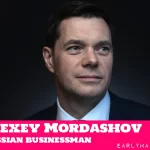
Alexey Mordashov (Severstal) – another steel magnate with comparable wealth, heavily sanctioned Vladimir Potanin (Norilsk Nickel) – metals and mining, estimated $25+ billion, also unsanctioned Leonid Mikhelson (Novatek) – natural gas, approximately $24 billion despite energy sector sanctions
Lisin’s position as unsanctioned gives him more flexibility than many competitors. He can still travel internationally, maintain foreign bank accounts, and manage assets outside Russia more freely than sanctioned oligarchs.
His wealth growth followed a steadier trajectory than those who benefited from 1990s loans-for-shares schemes. By building operational expertise rather than purely financial engineering, Lisin created businesses with genuine competitive advantages.
Personal Life and Spending
Lisin maintains a relatively low public profile compared to flashier billionaires. He’s known for competitive shooting—an Olympic-level sport where he’s won multiple championships. This hobby reflects his personality: disciplined, focused, and precision-oriented.
His real estate includes properties in Russia and abroad, though details remain private. Unlike oligarchs who purchased English football clubs or Mediterranean superyachts, Lisin’s lifestyle appears more restrained.
He’s married with children who hold positions in his business empire, suggesting a family succession plan. His son Vladimir Lisin Jr. serves in executive roles at NLMK, preparing for eventual leadership transition.
Philanthropic activities include support for Russian cultural institutions and sports programs, particularly shooting sports development. These contributions enhance his public image while remaining modest compared to his overall wealth.
Future Outlook for Lisin’s Wealth
Several factors will influence Vladimir Lisin net worth trajectory over coming years:
Global steel demand – economic growth in Asia, particularly China and India, drives consumption Russian economic sanctions – potential expansion or relaxation would significantly impact operations Energy costs – steel production requires substantial energy, making Russian gas prices crucial Technology transitions – green steel production methods may require massive capital investments
NLMK has announced plans to reduce carbon emissions, responding to global environmental pressures. These investments will cost billions but position the company for long-term competitiveness as European and American markets impose carbon border adjustments.
The company’s vertical integration provides buffer against raw material price volatility. Owning iron ore mines ensures supply security that competitors purchasing on open markets lack.
Russia’s isolation from Western economies pushes businesses toward self-sufficiency and Asian partnerships. Lisin’s companies appear positioned to benefit from this reorientation, though growth rates will likely lag pre-2022 levels.
Frequently Asked Questions
How did Vladimir Lisin make his money?
Lisin built his fortune through NLMK Group, Russia’s largest steel producer. He acquired control in 1998 and transformed it into one of the world’s most efficient steel companies through modernization and vertical integration.
Is Vladimir Lisin sanctioned?
No, Lisin has not been personally sanctioned by the United States, European Union, or United Kingdom, unlike many other Russian billionaires following the 2022 Ukraine invasion.
What companies does Vladimir Lisin own?
Lisin controls approximately 79% of NLMK Group, majority stakes in Universal Cargo Logistics port operations, and significant holdings in Fletcher Group construction and various transportation engineering firms.
How much is Vladimir Lisin worth in 2024?
Vladimir Lisin net worth is estimated at $24-26 billion as of 2024, making him one of Russia’s wealthiest individuals and ranking among the top 100 billionaires globally.
Where does Vladimir Lisin live?
Lisin maintains residences in Russia and reportedly owns properties internationally, though specific details about his primary residence and real estate portfolio remain largely private.
Conclusion
Vladimir Lisin net worth reflects decades of industrial management and strategic positioning in Russia’s economy. His $24-26 billion fortune stands on operational excellence rather than political connections alone, distinguishing him from oligarchs whose wealth derived purely from privatization windfalls.
The sanctions era tests his business model. While NLMK faces market restrictions and geopolitical uncertainty, its fundamental strengths—efficient production, vertical integration, and experienced management—provide resilience. Lisin’s unsanctioned status offers flexibility that sanctioned competitors lack, potentially strengthening his relative position among Russian billionaires.
His legacy will likely center on transforming Russian steel production into a globally competitive industry. Whether his wealth continues growing depends on factors beyond any individual’s control: international relations, commodity cycles, and technological transitions. For now, he remains proof that industrial fortunes can still be built and maintained even amid economic and political turbulence.
For more insights into how global business leaders build and protect generational wealth, visit EarlyMagazine UK—where industrial empires and financial intelligence converge.
