

BuzzFeed used to be the hottest name in digital media. Today, it just sold for what amounts to the price of a mid-sized office building. Here’s how one of the internet’s biggest media stars fell so far — and what Byron Allen’s unusual deal actually means.

When BuzzFeed Ruled the Internet
Back in the 2010s, BuzzFeed felt unstoppable. It wasn’t just a website — it was a cultural force.
The company had figured out something most traditional publishers couldn’t: how to speak the language of the internet. Viral quizzes, shareable lists, addictive cooking videos through its “Tasty” brand, celebrity gossip, political investigations — BuzzFeed did all of it at once, and it did it well. It even built a serious newsroom that would later win a Pulitzer Prize. That’s a long way from “Which pizza topping matches your personality?”
Investors took notice. In 2015, NBCUniversal pumped $200 million into the company at a valuation of roughly $1.5 billion. Then in 2016, NBCU doubled down with another $200 million — pushing BuzzFeed’s total valuation to an eye-watering $1.7 billion.
The logic made sense at the time. Old media had money but no cool factor. BuzzFeed had the audience, the culture, and the clicks. What could go wrong?
The Digital Media Dream Starts Cracking
Turns out, quite a lot.
BuzzFeed’s biggest strength — its dependence on social platforms like Facebook for traffic — became its biggest weakness. When Facebook tweaked its algorithm, the flood of readers slowed to a trickle. Meanwhile, tech giants like Google, Meta, and Amazon were gobbling up the vast majority of digital ad dollars, leaving publishers like BuzzFeed fighting over whatever was left.
The company tried to adapt. It acquired HuffPost in 2020 and Complex in 2021. It went public through a SPAC deal. But Wall Street wasn’t impressed, and the broader digital media sector was already in freefall.
In 2023, BuzzFeed made a painful decision: it shut down BuzzFeed News entirely — the same division that had earned those prestigious journalism awards. The focus shifted to entertainment and creator content instead.
Then in 2024, it sold Complex.
By early 2026, the situation had become critical. BuzzFeed issued a going-concern warning in March, signaling it might not be able to pay its bills. It missed a $5 million debt deadline, which risked triggering a full default. For the first quarter of 2026, revenue came in at $31.6 million — down 12% from the year before — with a net loss of $15.1 million. Since going public, the share price had collapsed by more than 96%.
Byron Allen Steps In — But It’s Not What It Looks Like
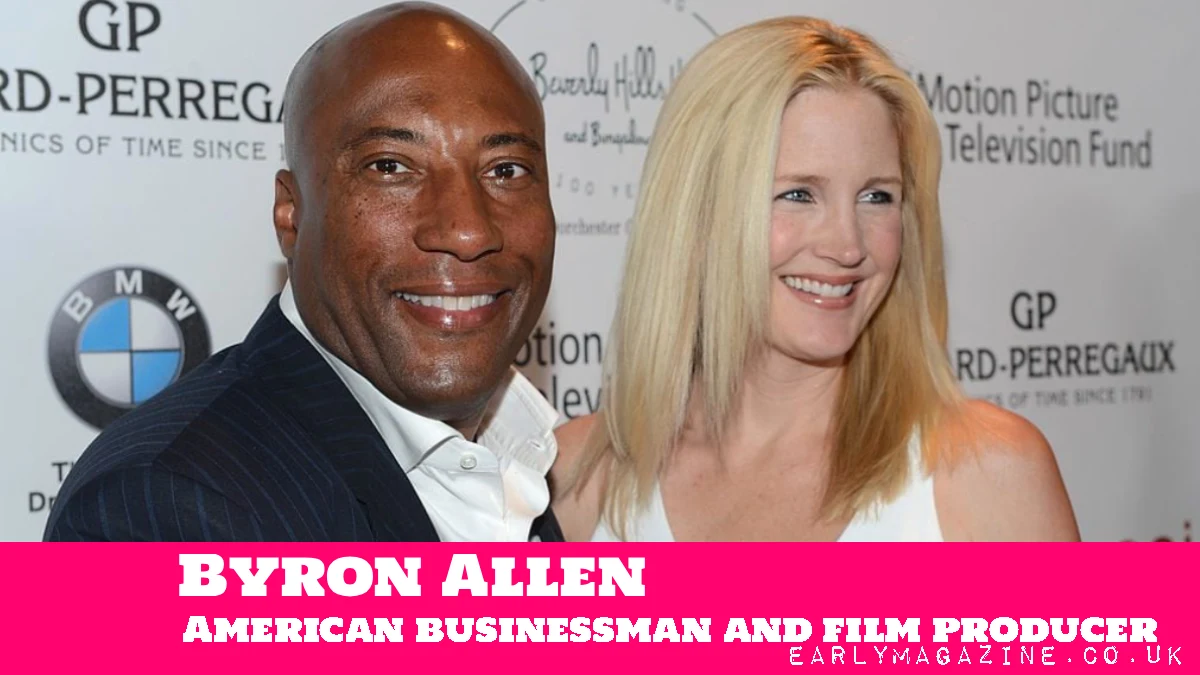
On May 11, 2026, media mogul Byron Allen announced a deal to acquire BuzzFeed. His company, Allen Family Digital LLC, agreed to buy 40 million newly issued BuzzFeed shares at $3 per share — a headline number of $120 million and roughly 52% ownership of the company.
Allen would take over as chairman and CEO. BuzzFeed founder Jonah Peretti, who built the company from a viral content lab into a global media brand, would step into a new role as President of BuzzFeed AI.
Allen is no stranger to media deals. He built Allen Media Group into a sprawling empire that includes the Weather Channel and more than 30 broadcast TV stations. His background is rooted in traditional television and local broadcasting — quite different from BuzzFeed’s internet-native DNA.
The Fine Print Changes Everything
Here’s where it gets interesting.
That $120 million figure? It’s technically accurate — but it tells only part of the story.
Allen’s company is only putting up $20 million in cash at closing. The remaining $100 million comes in the form of a promissory note, due five years later with 5% annual interest. The note is secured by 33.3 million of the BuzzFeed shares being purchased — and Allen Family Digital LLC is a newly created shell company with no other assets.
Financial columnist Matt Levine of Bloomberg captured it well: Allen is essentially renting control of BuzzFeed for $20 million. If the company turns around and the share price rises above $3, he pays the remaining $100 million and claims the upside. If things go badly, the structure of the deal — a shell company, shares as collateral — means he could potentially walk away without paying another cent.
What This Deal Really Tells Us
This is less a traditional buyout and more of a high-stakes bet with limited downside.
For BuzzFeed, the deal brings in urgently needed cash and new leadership. For Allen, it’s a relatively low-risk shot at turning around a brand that — despite everything — still carries serious name recognition and a global audience.
Whether Allen can do what a decade of investors, algorithms, and acquisitions couldn’t remains to be seen. But one thing is clear: the company that was once valued at $1.7 billion just handed over control for the price of a modest down payment.
The internet giveth, and the internet taketh away.
For more insights into the business moves shaping today’s media landscape, visit EarlyMagazine UK — where bold deals, rising empires, and the stories behind the headlines all come together.
