


Leonid Radvinsky built one of the most private fortunes on the internet. He rarely gave interviews. He avoided cameras. Most people who used OnlyFans every day had no idea who actually owned it.
But UK corporate filings don’t care about privacy. Because Fenix International, the British company behind OnlyFans, has to file annual accounts with Companies House, the numbers behind Radvinsky’s fortune are a matter of public record.
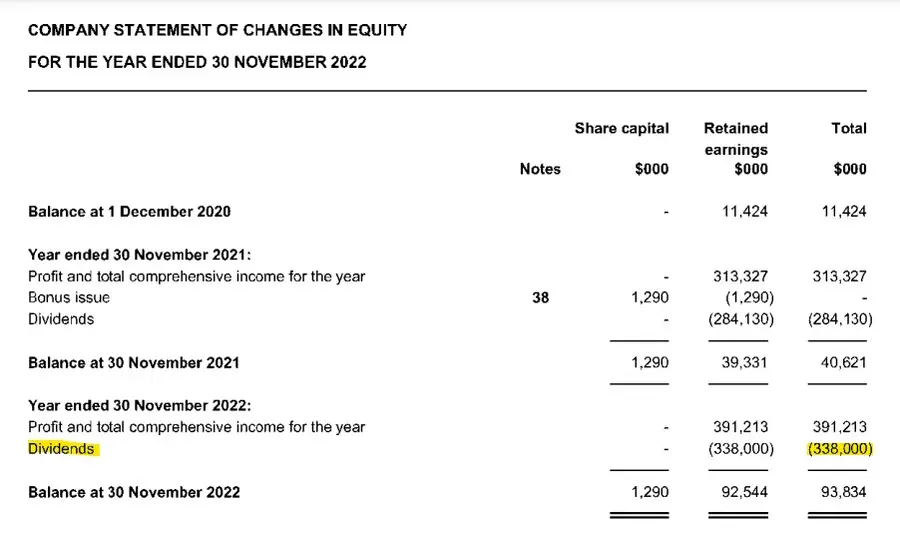
And those numbers are staggering. Across just five fiscal years, Radvinsky paid himself roughly $2.3 billion in dividends from a company he bought for a fraction of that amount. He died in March 2026 at age 43, after a private battle with cancer. The final filings covering his last months alive show the payouts never slowed down.
Here’s exactly how the money added up — and how a single OnlyFans purchase turned into one of the most profitable acquisitions of the internet era.
Why British Filings Reveal So Much
American private companies rarely have to disclose financial details to the public. UK private companies work differently.
Any company registered in Britain, including foreign-owned ones, must file annual accounts with Companies House. Those accounts often include:
- Revenue and profit figures
- Assets and liabilities
- Dividend payments to shareholders
Fenix International, the legal entity that owns and operates OnlyFans, is registered in the UK. That single fact is the reason the public knows anything at all about Radvinsky’s earnings.
The Final Dividend Numbers
The most recent Fenix International accounts cover the fiscal year ending November 30, 2025. According to that filing, Radvinsky received:
- $535 million in dividends during the fiscal year itself
- $174 million in additional payments made through March 2026
That’s $709 million in a single reporting period.
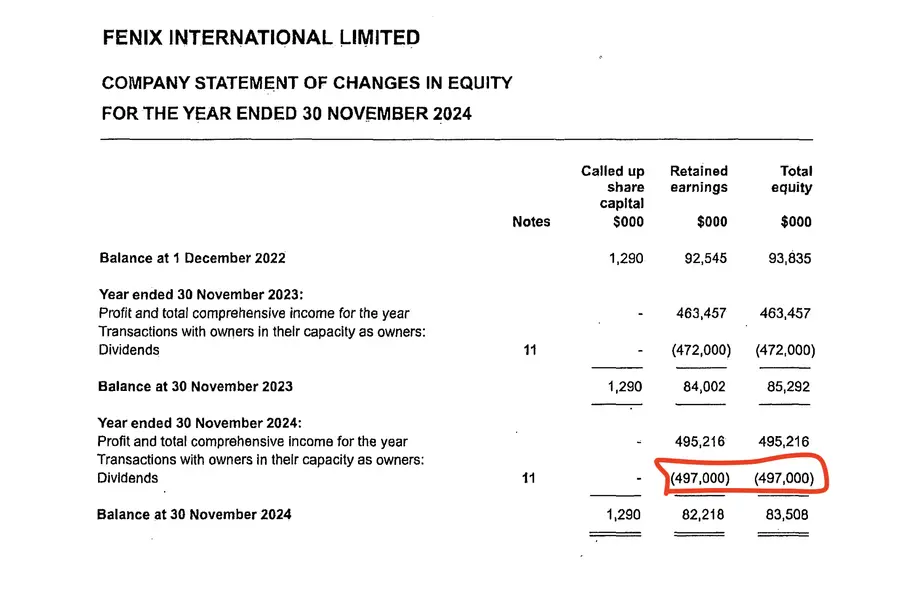
It wasn’t the first time the company had crossed that threshold. The prior year’s filing, covering the period ending November 30, 2024, showed a similar pattern:
- $497 million paid during the fiscal year
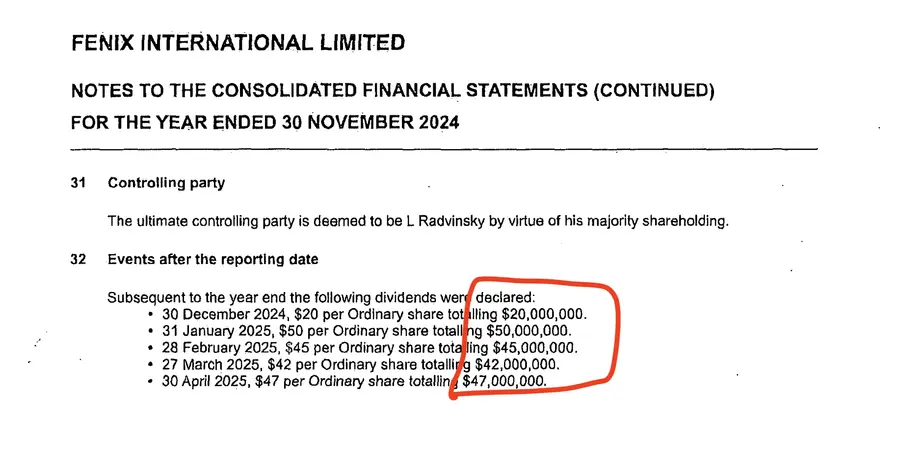
- Five more payments made in the months that followed:
- December 2024: $20 million
- January 2025: $40 million
- February 2025: $50 million
- March 2025: $47 million
- April 2025: $47 million
Added together, those extra payments came to $204 million, bringing the total for that period to $701 million.
Five Years Of Payouts
Put the last five fiscal years side by side, and the growth is hard to ignore:
| Fiscal Year | Dividends Paid |
|---|---|
| 2021 | $284 million |
| 2022 | $338 million |
| 2023 | $472 million |
| 2024 | $497 million |
| 2025 | $535 million |
| Extra payments through March 2026 | $174 million |
Add every line together and the total comes to roughly $2.3 billion in dividends across five years.
What Made OnlyFans So Profitable
None of this would be possible without an unusually simple, unusually lucrative business model.
For the fiscal year ending November 30, 2025, OnlyFans reported:
- $1.55 billion in total revenue
- $715 million in pre-tax profit
- Revenue growth of roughly 10% year over year
The platform’s user base tells the same growth story. OnlyFans had around 5 million creator accounts, with roughly half of them active, plus about 437 million registered fan accounts, of which around 132 million were active.
The math behind the money is easy to follow. Fans pay creators directly. Creators keep 80% of everything they earn. OnlyFans keeps the remaining 20%. That cut, applied across billions of dollars in fan spending every year, is what built one of the most profitable platforms on the internet.
He Didn’t Even Found The Company
Here’s the part that makes the story even more remarkable: Leonid Radvinsky never created OnlyFans.
British entrepreneur Tim Stokely launched the platform in 2016 with backing from his father, Guy Stokely. Radvinsky bought the company in 2018, reportedly acquiring a majority stake in Fenix International for somewhere around $30 million. The exact price was never officially confirmed.
If that figure is roughly accurate, the math is almost hard to believe. A $30 million purchase turned into more than 75 times that amount in cash dividends alone — and Radvinsky still owned the company the entire time.
How Much Was OnlyFans Actually Worth?
For years, rumors placed a potential OnlyFans sale somewhere between $7 billion and $8 billion. At one point, talent manager Scooter Braun reportedly explored a deal in that range. None of those talks ever closed.
After Radvinsky’s death, a San Francisco investment firm called Architect Capital acquired roughly 16% of OnlyFans for $535 million. That deal valued the entire company at approximately $3.15 billion, with some reports citing a broader valuation closer to $5.5 billion once debt was included.
Either way, the comparison is striking. Radvinsky pulled out an estimated $2.3 billion in cash dividends over five years, and the company was still worth billions more by the time outside investors bought in.
A Reclusive Billionaire, Even In Death
Despite owning one of the most talked-about platforms on the internet, Radvinsky stayed almost entirely out of the public eye. Before OnlyFans, he had already made a fortune in the adult internet industry, most notably through MyFreeCams. He gave few interviews and avoided the kind of public persona most tech billionaires build for themselves.
Radvinsky died in March 2026 at age 43, following what a company statement described as a long battle with cancer. He was survived by his wife, Katie Chudnovsky, and their four children. Reports indicate he had transferred his ownership stake into a family trust in late 2024, ahead of the final filings that revealed just how much money the platform had generated under his ownership.
The Bottom Line
Corporate filings rarely make for dramatic reading, but Fenix International’s accounts tell one of the more remarkable financial stories to come out of the internet economy in years. A company bought for an estimated $30 million ended up distributing more than $2.3 billion in dividends to a single owner, all while quietly building a business now valued in the billions.
It’s a reminder that some of the internet’s biggest fortunes are made far from the spotlight — recorded not in headlines or interviews, but in the fine print of a government filing.
For more untold stories behind the world’s wealthiest and most private business owners, keep reading EarlyMagazine UK.
