

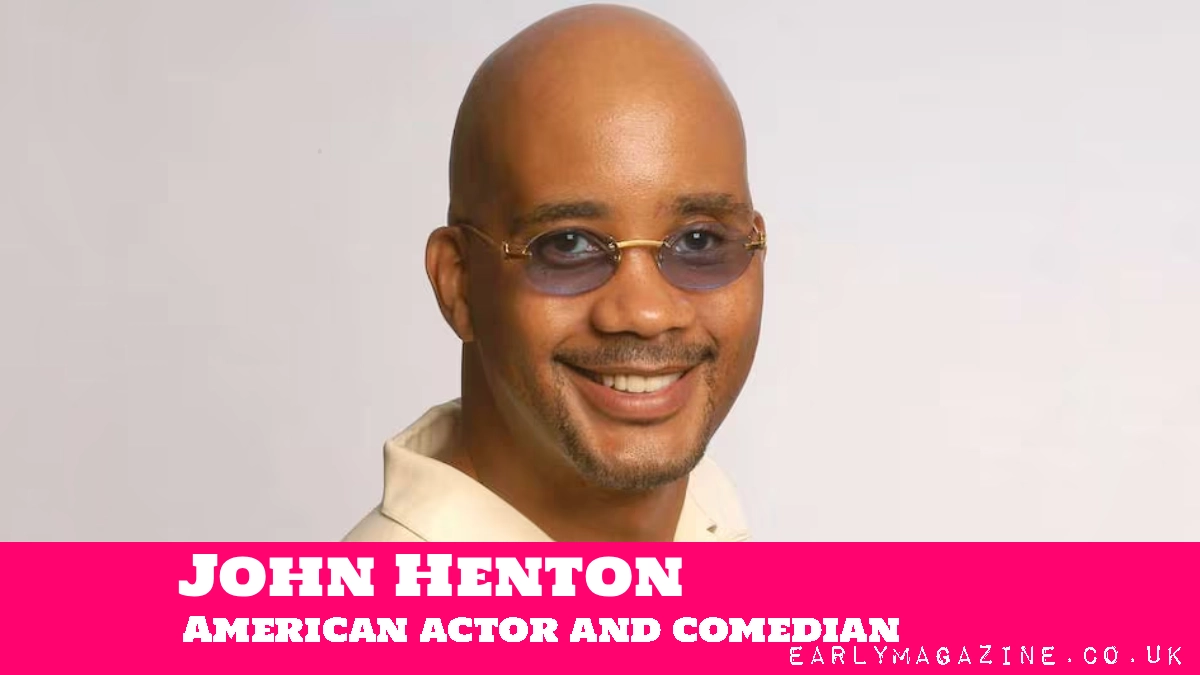
John Henton is an American actor and comedian best known for his role as Overton Wakefield Jones on the hit sitcom “Living Single.” Born on November 23, 1960, in Cleveland, Ohio, Henton built a successful career in comedy and television throughout the 1990s and 2000s, becoming a beloved figure in Black entertainment.
Who is John Henton?
John Henton is a comedian and actor who made his mark in American television during the golden age of Black sitcoms. You probably recognize him as the lovable handyman Overton from “Living Single,” one of the most popular shows of the 1990s. His warm personality and natural comic timing made him a fan favorite.
Beyond his most famous role, Henton has worked steadily in entertainment for over three decades. He’s performed stand-up comedy across the country, appeared in numerous TV shows, and even survived a life-threatening car accident that changed his perspective on life. His story shows how talent, determination, and resilience can create a lasting career.
Today, Henton continues performing and connecting with fans who grew up watching him. He represents a generation of Black entertainers who opened doors and created opportunities in Hollywood. His journey from the comedy clubs of Cleveland to television screens across America is truly inspiring.
Early Life and Background
John Henton entered the world on November 23, 1960, in Cleveland, Ohio. Growing up in a working-class neighborhood, he learned early on that humor could be a powerful tool. His family valued hard work and education, principles that would guide him throughout his life. Cleveland’s vibrant community gave him plenty of material for his future comedy routines.
As a young boy, Henton showed a natural ability to make people laugh. He often entertained his classmates and family members with impressions and jokes. This talent didn’t just make him popular—it helped him navigate the challenges of growing up. His childhood experiences in Cleveland would later become the foundation for his comedic voice.
Education was important to the Henton family. John attended local schools where he balanced academics with his growing interest in performing. He wasn’t the class clown who disrupted lessons, but rather someone who understood when humor could bring people together. These early years shaped his understanding of timing and audience connection.
The cultural landscape of 1970s Cleveland exposed Henton to diverse influences. He watched classic comedians on television and absorbed different styles of humor. The city’s rich artistic community also provided inspiration. Young John began dreaming of a career that would let him share laughter with the world.
Career Beginnings in Comedy
Henton’s comedy career started in the local club circuit of Cleveland. He performed at small venues, learning his craft one show at a time. Those early performances were tough—some nights the crowd loved him, other nights he faced silence. But each experience taught him something valuable about connecting with an audience.
The comedy scene in the 1980s was competitive and demanding. Henton worked regular jobs during the day and performed at night. He refined his material through constant trial and error, developing a style that was observational yet personal. His comedy reflected everyday life experiences that regular people could relate to.
His big break came when he started getting noticed beyond Cleveland. Talent scouts and comedy bookers began inviting him to perform in larger cities. Henton’s clean, family-friendly approach to comedy set him apart from many of his peers. He proved you didn’t need profanity to be funny.
Moving to Los Angeles was a natural next step for someone with Henton’s ambitions. The city offered more opportunities to break into television and film. He continued performing stand-up while auditioning for acting roles. The transition wasn’t easy, but Henton’s persistence and talent eventually opened the right doors.
Breakthrough with Living Single
In 1993, Henton landed the role that would define his career. “Living Single” premiered on Fox, and he played Overton Wakefield Jones, a sweet-natured handyman from the South. The character became instantly beloved for his innocence, loyalty, and hilarious misunderstandings. Overton’s relationship with Synclaire, played by Kim Coles, provided some of the show’s most heartwarming moments.
“Living Single” ran for five seasons and became a cultural phenomenon. The show centered on six Black friends living in Brooklyn, breaking new ground for representation on television. Henton’s performance brought depth to what could have been a simple comic relief character. Overton had genuine emotions, dreams, and a strong moral compass.
Working alongside talents like Queen Latifah, Kim Fields, and Erika Alexander, Henton held his own. The cast developed real chemistry that translated beautifully on screen. Behind the scenes, they supported each other and celebrated their collective success. The show addressed real issues while maintaining its comedy core.
The impact of “Living Single” extended far beyond entertainment. It proved that shows featuring Black casts could achieve mainstream success. Many consider it a precursor to “Friends,” which debuted a year later with a similar premise. Henton’s work on the show remains his most recognized achievement.
Other Television and Film Work
After “Living Single” ended in 1998, Henton continued building his acting resume. He appeared on “The Hughleys,” another successful sitcom where he played Milsap Morris. The show ran from 1998 to 2002, giving Henton steady work and keeping him in the public eye. His character was quirky and memorable, proving he could bring life to different types of roles.
Henton also made guest appearances on various television shows throughout the years. He showed up on episodes of popular series, bringing his signature humor to each role. These appearances kept him connected to audiences and demonstrated his range as a performer. He could play dramatic moments as well as comedic ones.
His film work, while less extensive than his television career, included several projects. Henton took on roles in movies that aligned with his values and interests. He never pursued fame for its own sake but chose projects he believed in. This selective approach helped him maintain his reputation and artistic integrity.
Voice acting became another avenue for Henton’s talents. He lent his voice to animated projects and commercials. This work allowed him to continue performing even when on-camera roles were less frequent. His distinctive voice and timing translated well to animation.
The Car Accident and Recovery
In 2000, Henton faced the biggest challenge of his life. He was involved in a serious car accident that left him with severe injuries. The crash happened in Los Angeles, and for a while, doctors worried about his recovery. He suffered facial injuries that required multiple surgeries and extensive rehabilitation.
The accident could have ended his career. Many wondered if he would be able to perform again. But Henton showed incredible strength during his recovery. He underwent painful procedures and months of healing. His positive attitude and determination impressed everyone around him.
The physical scars from the accident were significant, but Henton refused to let them define him. He worked with surgeons and therapists to regain his confidence. The experience changed his perspective on life and what truly matters. He became even more grateful for his family, friends, and fans.
Returning to performing after the accident was both frightening and empowering. Henton had to overcome self-consciousness about his changed appearance. But audiences welcomed him back with open arms. His courage in facing this challenge inspired many people dealing with their own struggles.
Return to Stand-Up Comedy
Stand-up comedy remained Henton’s first love throughout his career. Even during his television success, he never stopped performing live. After his recovery, returning to the stage felt like coming home. Comedy clubs and theaters across the country booked him for shows.
His material evolved to include reflections on life, aging, and overcoming adversity. Audiences appreciated his honesty and vulnerability. Henton could make people laugh about serious topics without diminishing their importance. This balance showed his growth as both a comedian and a person.
Touring kept Henton connected to fans in a direct way that television couldn’t match. He enjoyed the immediate feedback and energy of live audiences. Each show was different, allowing him to improvise and adapt. This spontaneity kept his performances fresh and exciting.
Comedy festivals and special events often featured Henton as a headliner. He shared stages with other comedy legends and up-and-coming performers. His generosity toward younger comedians showed his commitment to the art form. He understood the importance of mentoring the next generation.
Personal Life and Values
Henton has always kept his personal life relatively private. He values family and maintains close relationships with loved ones. Unlike some celebrities, he never sought attention for his private affairs. This discretion has allowed him to navigate fame on his own terms.
Faith plays an important role in Henton’s life. He has spoken about how spirituality helped him through difficult times. His beliefs inform his comedy and acting choices. He prefers material that uplifts rather than tears down.
Community involvement has been another constant in Henton’s life. He participates in charitable events and supports causes he cares about. Education, youth development, and health initiatives have benefited from his involvement. He uses his platform to make a positive difference.
Friends and colleagues consistently describe Henton as kind and professional. He treats everyone with respect, from stars to crew members. This reputation has served him well throughout his career. People enjoy working with him and recommend him for projects.
Legacy and Impact on Entertainment
John Henton’s contributions to Black entertainment deserve recognition. He was part of a wave of performers who changed television in the 1990s. “Living Single” paved the way for many shows that followed. His work helped prove that diverse stories could find large audiences.
Young comedians and actors cite Henton as an influence. They admire how he built a career through consistency and quality work. He never took shortcuts or compromised his values for fame. This integrity makes him a role model.
The characters Henton created continue resonating with audiences today. Overton Wakefield Jones remains beloved decades after “Living Single” ended. New generations discover the show through streaming services. These fans appreciate the humor and heart Henton brought to his performances.
His career demonstrates that success in entertainment doesn’t require scandal or controversy. Henton built a reputation on talent, hard work, and treating people well. These principles created a lasting career that continues today.
Conclusion
John Henton’s biography tells a story of perseverance, talent, and grace. From his beginnings in Cleveland to becoming a television star, he stayed true to himself. His work on “Living Single” brought joy to millions and broke barriers in the entertainment industry. Even when facing a life-threatening accident, he found the strength to continue.
Today, Henton remains active in comedy and acting. He continues performing stand-up and taking on roles that interest him. His journey reminds us that success comes in many forms. Building a career on your own terms, maintaining your values, and bringing happiness to others—that’s a life well lived. Family remains important to him, and you can learn more about his daughter Nicole Simone Henton and her own journey in entertainment.
