

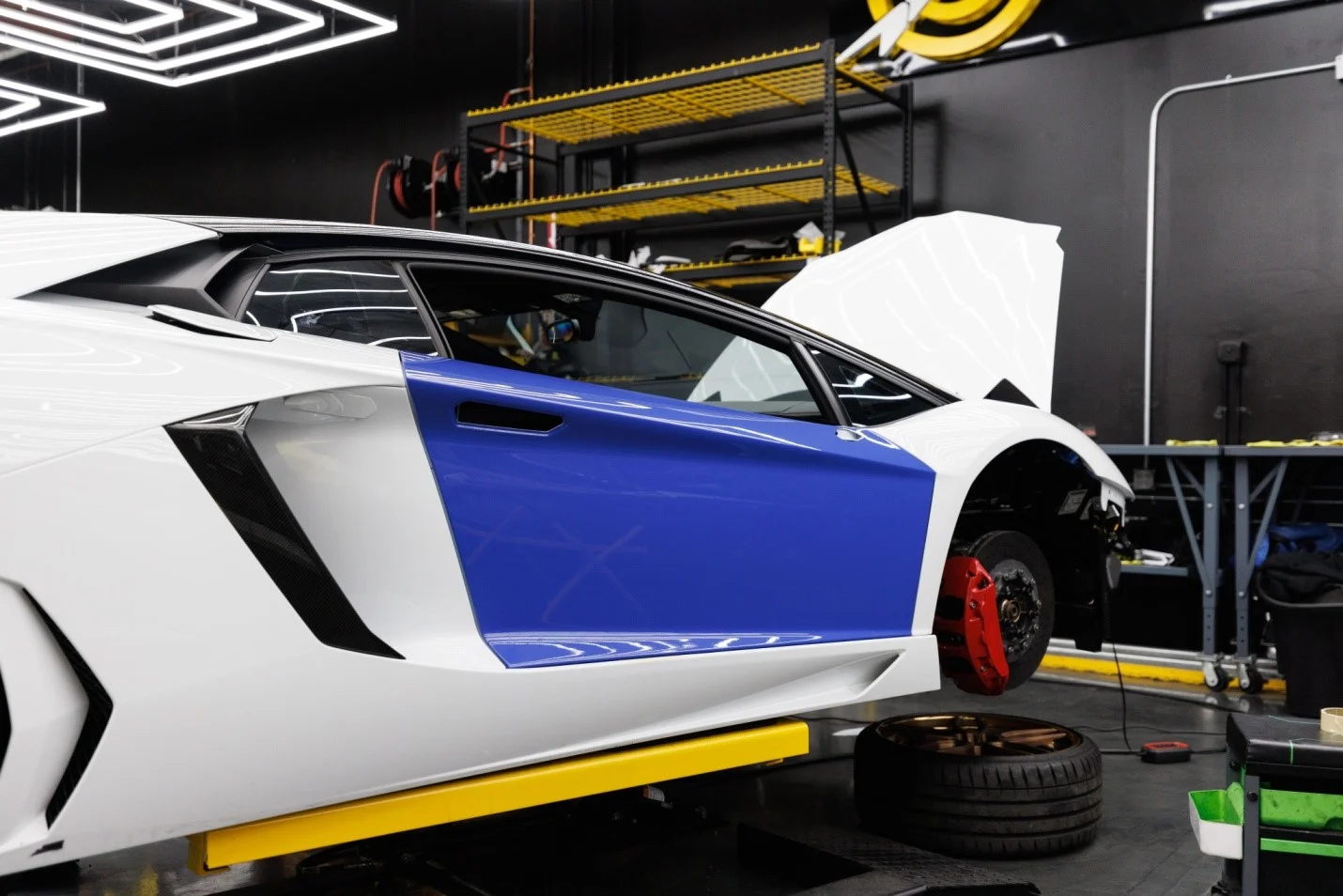
If you want to change your car’s look while protecting its factory paint, you have likely run into a major dilemma: should you get a traditional vinyl wrap or invest in the newer technology of color paint protection film (PPF)?
Here is the quick answer: Yes, color change PPF offers exceptional protection against scratches, rock chips, bird droppings, and minor road debris. Unlike standard vinyl wraps, which are thin and purely cosmetic, color change PPF is made from heavy-duty polyurethane. It provides the exact same high-level impact resistance and self-healing properties as clear PPF while completely transforming your vehicle’s color.
Color Change PPF vs. Vinyl Wraps vs. Clear PPF
To understand whether color change PPF is right for your car, it helps to see how it stacks up against standard automotive styling and protection options.
| Feature | Color Change PPF | Traditional Vinyl Wrap | Clear PPF (Clear Bra) |
| Primary Purpose | Styling + Heavy Protection | Aesthetics / Color Change Only | Heavy Paint Protection Only |
| Material | Thermoplastic Polyurethane (TPU) | Polyvinyl Chloride (PVC) | Thermoplastic Polyurethane (TPU) |
| Thickness | 7.5 to 10 mils | 3 to 4 mils | 7.5 to 8 mils |
| Stone Chip Protection | Excellent (Absorbs high impact) | Poor (Easily tears/tears through) | Excellent (Absorbs high impact) |
| Self-Healing Capabilities | Yes (Heat-activated) | No (Scratches are permanent) | Yes (Heat-activated) |
| Lifespan | 7 to 10 years | 3 to 5 years | 7 to 12 years |
| Average Cost (Full Car) | $6,000 – $9,000 | $3,500 – $5,500 | $5,000 – $7,500 |
How Color Change PPF Protects Against Real-World Damage
Standard factory paint finishes are incredibly thin—often measuring just 4 to 5 mils thick, including the clear coat. It doesn’t take much for a pebble flung from a semi-truck tire to penetrate that layer down to the bare metal or primer.
Color change PPF acts as a sacrificial, energy-absorbing barrier. Here is exactly how it defends your vehicle:
1. High Impact Resistance Against Stone Chips
Because TPU is naturally elastomeric (rubbery and flexible), it absorbs the kinetic energy of an impacting rock and disperses it across a wider surface area. Instead of the rock chipping away rigid paint, the film flexes and rebounds.
2. Micro-Scratch and Swirl Self-Healing
If you take your car through a wash or wipe it down with a dusty microfiber towel, fine swirl marks can ruin the finish. Color change PPF features a specialized top coat. When exposed to heat—like direct sunlight, warm engine heat, or a heat gun—the molecular structure of the top coat relaxes, flowing back into place to erase fine scratches automatically.
3. Chemical and UV Defense
Environmental contaminants like acidic bird droppings, bug splatter, tree sap, and road salt can permanently etch into automotive clear coats. Color change PPF is chemically resistant, preventing these contaminants from staining your car. Furthermore, it blocks harsh UV rays, ensuring your factory paint underneath won’t fade or oxidize unevenly.
Pros and Cons of Upgrading to Color PPF
Like any premium automotive aftermarket product, color-infused protection film comes with clear trade-offs.
The Pros:
- Two-in-One Solution: You get the dramatic color customization of a wrap alongside the premium armor of a clear bra.
- No “Orange Peel” Texture: Premium color PPF uses advanced manufacturing that yields a deep, mirror-like gloss or rich satin finish that mimics factory paint far better than vinyl.
- Long-Term Paint Preservation: When it comes time to sell or return a lease, removing the film reveals pristine factory paint, protecting your vehicle’s resale value.
- Extended Longevity: It lasts nearly double the lifespan of traditional vinyl without cracking or lifting at the edges.
The Cons:
- High Initial Investment: It requires specialized material and labor, making it significantly more expensive than standard wraps.
- Complex Installation: Because the film is much thicker than vinyl, wrapping it cleanly around complex body lines, deep recesses, and bumper corners requires elite installation expertise.
- Color Limitations: While options are expanding rapidly, there are still fewer niche colors and custom patterns available compared to the massive catalogs of traditional vinyl manufacturers.
Key Buying Considerations: What to Look For
If you decide to invest in color change PPF, avoid shopping on price alone. Consider these factors to ensure you get your money’s worth:
- Material Composition: Ensure the product is made from 100% Aliphatic Polyurethane. Cheaper hybrid films mix in PVC, which compromises the film’s flexibility, yellowing resistance, and impact protection.
- Installer Credentials: The best film will look terrible if poorly installed. Look for shops certified by major manufacturers (like XPEL, STEK, or SunTek). Ask if they use pre-cut digital patterns or custom bulk installations where edges are tucked seamlessly.
- Warranty Coverage: Premium brands offer a solid 7-to-10-year warranty covering bubbling, cracking, yellowing, and delamination. Ensure the installing shop provides a written copy of this warranty.
Common Mistakes to Avoid
- Wrapping Over Already Damaged Paint: PPF is designed to protect healthy paint, not fix bad paint. If your bumper already has deep rock chips or peeling clear coat, the film will highlight those imperfections rather than hide them.
- Neglecting Edges During Maintenance: When washing your car with a pressure washer, keep the nozzle at least 12 inches away from the edges of the film. High-pressure water can catch an edge and cause the film to lift.
- Skipping Regular Washes: Even though the film is highly chemical-resistant, leaving bird droppings or crushed bugs baked onto the hood under the hot sun for weeks can eventually damage the self-healing topcoat.
Frequently Asked Questions
Does color change PPF ruin original factory paint?
No. When installed properly on healthy, cured factory paint, color change PPF will not damage the surface. In fact, it preserves it. It can be cleanly peeled off years down the road without leaving aggressive adhesive residue behind.
Can you ceramic coat color PPF?
Yes, and it is highly recommended. Adding a ceramic coating specifically formulated for PPF adds a layer of hydrophobicity (water repellency). This makes the film much easier to clean, enhances slickness, and offers an extra layer of chemical protection.
How do you wash a car with color change PPF?
The safest method is a hand wash using the two-bucket method and a dedicated, pH-neutral car shampoo. Avoid automated car washes with spinning brushes, as the aggressive nylon bristles can create scratches deeper than the self-healing topcoat can repair.
Is color change PPF thicker than vinyl?
Yes. Traditional vinyl wraps are typically 3 to 4 mils thick. Color change PPF ranges from 7.5 to 10 mils thick. This extra thickness is precisely what provides the physical cushioning required to stop rock chips.
Can it cover up existing scratches?
Light surface swirls on your factory paint will often be masked by the adhesive layer of the PPF, making them invisible once applied. However, deep scratches, gouges, or missing paint chips will still show through as texturized imperfections under the film.
The Final Verdict
If you simply want to change your car’s color for a car show season or a temporary marketing campaign on a budget, a traditional vinyl wrap is the logical choice.
However, if you drive your car frequently, want long-term peace of mind on the highway, and demand a flawless, paint-like finish that actively resists scratches and stone chips, color change PPF is absolutely worth the premium cost. It bridges the gap between styling and real-world utility, making it one of the smartest upgrades available for high-end, exotic, or daily-driven vehicles.
For more insights into smart upgrades that protect your investment and elevate your ride, visit EarlyMagazine UK—where style meets substance in everything we cover.
