

Each string instrument has a unique voice. Four very different emotional reactions are produced by the identical musical phrase played on a violin, mandolin, cello, and double bass. This isn’t because the notes are different; rather, it’s because each voice has a unique history, physical characteristics, and expressive range. Selecting a string instrument involves more than just deciding what to learn. It involves choosing your voice and the sonic role you wish to play in music.
The Violin and Its Range
Perhaps no other instrument in Western music has as much solo repertoire as the violin, which has the highest register in the orchestral string family. With amazing agility, it can switch from singing delicate lines and fast, masterful passages, demonstrating its incredible expressive nuance.
The violin is used in numerous folk traditions outside of classical music, such as Celtic, Appalachian, Scandinavian, and many others. Each of these traditions requires a different approach to tone production and ornamentation. It is one of the most contextually adaptable instruments a novice musician may select because the physical instrument remains the same across these situations. At the same time, the playing style and musical language vary significantly.
Viola and the Middle Voice
The viola, which occupies a register traditionally employed for harmonic support rather than melodic prominence, is positioned above the cello and below the violin in pitch. Its true tonal character does not merit the reputation of secondary importance that this placement bestows upon it.
The violin’s brightness cannot match its deeper, slightly nasal quality, which conveys warmth and complexity. The viola’s supporting harmonic function is frequently more musically fulfilling to players who prefer ensemble playing to solo performance than playing in a more exposed melodic position.
The Cello’s Particular Appeal
Because the cello speaks in a register that is similar to the human voice, both players and listeners react to it with an uncommon level of emotional directness. It is one of the most complete solo instruments in the string family because of its ability to sustain long singing lines in the high register and the authority it carries in lower positions.
The cello is physically played while seated, with the instrument resting between the knees. Many people feel that this position is more comfortable for extended practice sessions than holding a violin at the shoulder. The instrument’s sonic richness and ergonomic accessibility make it especially appealing to adult novices.
The Mandolin’s Distinctive Character
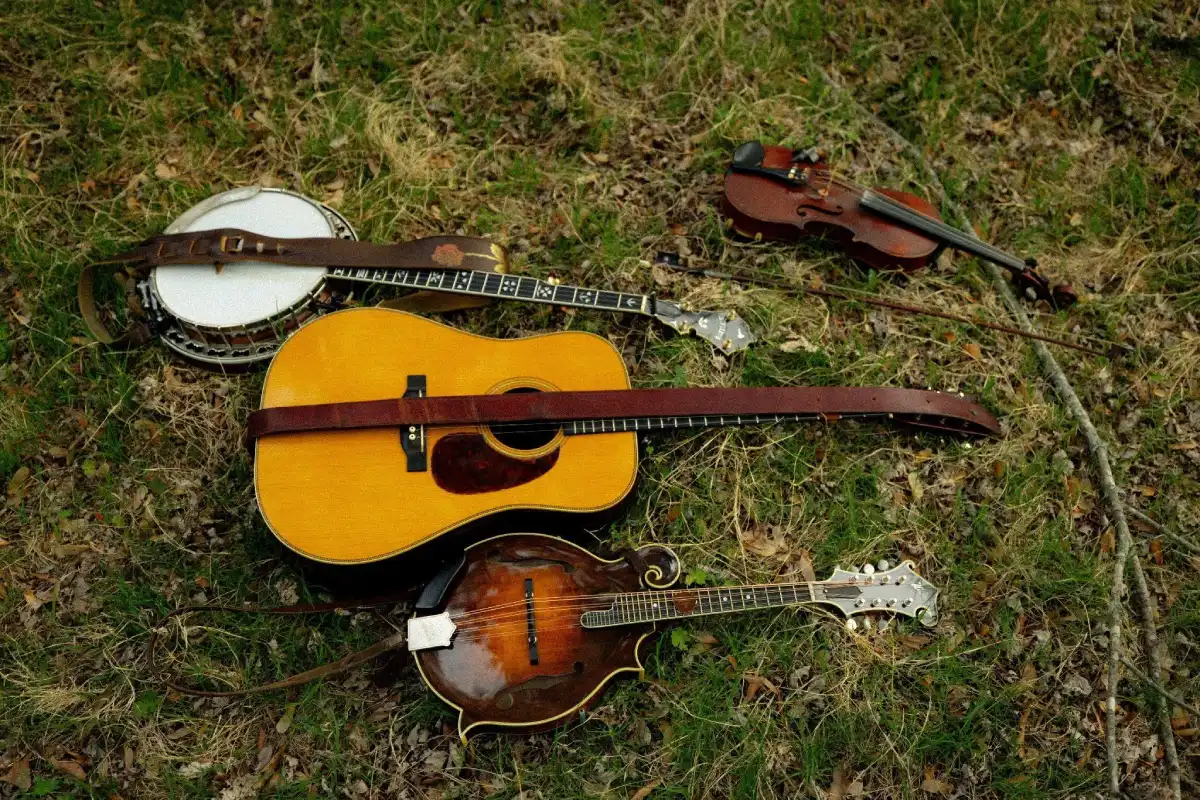
The mandolin instantly sets itself apart from bowed instruments with its bright, cutting tone, distinctive attack, and quick, natural decay. When pairs are struck simultaneously, the eight strings, which are organised in four paired courses and tuned identically to a violin, give it a shimmering effect.
Bluegrass music demonstrated the mandolin’s ability to play expressive single notes and fast melodic lines while also establishing it as a rhythmic chop instrument. Beyond bluegrass, it is often used in Celtic music, Italian folk tradition, and modern singer-songwriter settings, where its expressive tone offers textural contrast in addition to guitar accompaniment.
Players who are drawn to bright, percussive tones and seek an instrument that works well in small ensemble situations will find the mandolin appealing. Because of its small size, it appeals to people who find larger instruments impractical, and musicians with prior familiarity with bowed strings can swiftly turn to it thanks to its tuning relationship to the violin.
The Double Bass as Foundation
Operating at the bottom of the string family, the double bass provides a foundation for harmony and rhythm in jazz, folk, and orchestral settings. In most situations, its role is more supportive than melodic, but within that position, it has a significant impact on the feel and movement of the music above it.
Expectations of what the double bass might convey were changed by jazz performance, which elevated it to a position of melodic and improvisational prominence. Despite its physical challenges, players who are drawn to the unique gratification of supporting an ensemble’s harmonic framework find it to be extremely fulfilling.
Choosing Based on Role
Player temperament and musical function are often out of sync when instruments are chosen exclusively for prestige or solo prominence. Some musicians feel great fulfilment in supporting positions since they are essentially ensemble performers. Melodic prominence and emotive solo playing appeal to others.
Making better decisions requires knowing which of the traditional hierarchies of instrument status best describes you. The string instrument that most closely matches your desired musical style in terms of voice, physical attributes, and musical function is the ideal choice.
