

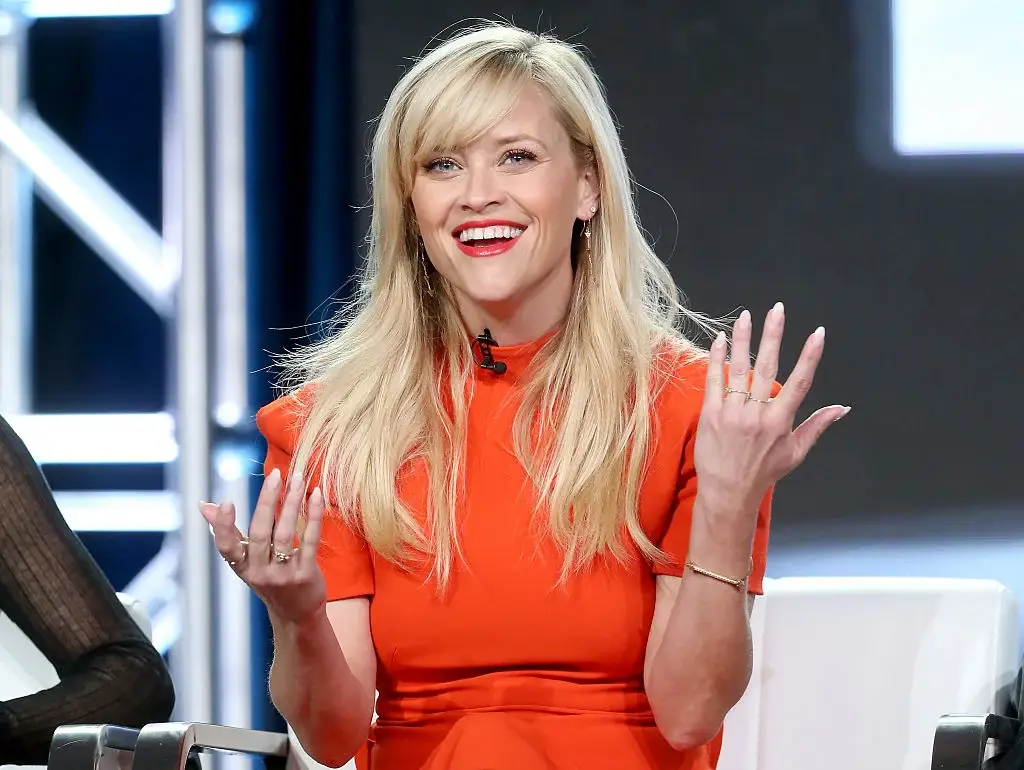
Reese Witherspoon just pulled off one of the strangest round trips in Hollywood. In 2021, she sold control of her company, Hello Sunshine, at a valuation of $900 million. In October 2026, she bought it back with a French studio partner, and the reported price was a tiny slice of that number.
So how did a company worth almost a billion dollars on paper become a bargain in only five years? And what does it mean for Reese now? Let’s break it down in plain terms.
Reese Witherspoon’s Hello Sunshine Deal at a Glance
Here are the key points before we dive in:
- 2021 sale: A Blackstone-backed media company called Candle Media bought a majority stake in Hello Sunshine at a $900 million valuation.
- Reese’s payday: She owned about 40% before the deal. She reportedly sold roughly half of that and took home an estimated $120 million after taxes.
- Her leftover stake: She kept at least 18%, which was worth about $162 million on paper at the 2021 price.
- 2026 buyback: Reese teamed up with Paris-based Mediawan to buy Candle’s controlling stake.
- The price: Nobody has made it official. A source told TheWrap the deal was in the “low to mid eight figures.” An estimate near $50 million would mean a drop of about 94.4%.
How Hello Sunshine Grew Into a $900 Million Company
Reese did not wake up one day and become a studio boss. She built her producing career step by step.
She launched Type A Films in 2000. Later, it joined forces with producer Bruna Papandrea’s company to form Pacific Standard. That team helped bring Gone Girl and Wild to the screen. Reese earned an Oscar nomination for acting in Wild.
The idea behind her plan was simple. Hollywood did not offer enough rich roles for women, so she decided to find the stories herself. She would buy the rights, develop the projects, and get them made.
In 2016, she launched Hello Sunshine with investor Seth Rodsky. Pacific Standard became part of the new company. Soon, the hits started to roll in:
- HBO’s Big Little Lies, with Nicole Kidman
- Apple TV+’s The Morning Show, with Jennifer Aniston
- Hulu’s Little Fires Everywhere
These were big, glossy shows with big streaming budgets. They put Hello Sunshine on the map.
The Power of Reese’s Book Club
The company’s secret weapon arrived in 2017: Reese’s Book Club. It started as a simple list of books she loved. It quickly became a powerful engine. A book pick could shoot up the bestseller list, and Hello Sunshine could then turn the best stories into films or series.
In 2019, Emerson Collective, the investment group led by Laurene Powell Jobs, invested in the company. By 2021, investors saw more than a production studio. They saw a famous face, a loyal fan base, and a chance to sell those fans much more than TV shows.
The 2021 Sale Was a Huge Win for Reese
The buyers were Kevin Mayer and Tom Staggs, two former top Disney executives. They launched Candle Media with money from Blackstone, the giant investment firm co-founded by Stephen Schwarzman.
Candle paid for a controlling stake at a valuation of about $900 million. Blackstone put in more than $500 million in cash, which was used to buy shares from earlier investors such as Otter Media and Emerson Collective, plus part of Reese’s stake.
Reese did not walk away. She sold about half of her shares, kept a major stake, and stayed in charge of the creative side.
The numbers were great for her:
- About $120 million in cash after taxes
- A retained stake worth roughly $162 million at the deal price
- Creative control over the kind of shows that made the company valuable
Still, one big question hung over the deal. How could a production company earn enough profit to justify a price near $1 billion? In TV, much of the money goes to the studios and streaming apps that own and distribute the shows. Candle was clearly betting on something bigger than the existing business.
Why Candle Media Paid So Much
The timing explains a lot. In 2021, the streaming wars were in full swing. Companies were spending wildly on new shows. Interest rates were low, and investors had plenty of cash to throw around. Almost any media company with a good story seemed to have a bright future.
Candle wanted to collect valuable entertainment brands and find new ways to earn money from their fans. After Hello Sunshine, it bought Moonbug Entertainment, the company behind CoComelon and Blippi, in a deal reported at about $3 billion. It also picked up Faraway Road Productions and ATTN:. Together, these gave Candle a mix of scripted TV, kids’ content, and digital media.
The Big Plan for Reese’s Fans
For Hello Sunshine, the plan was bold. Candle wanted to turn Reese’s Book Club and her huge following into a direct-to-consumer business. Think subscriptions, live events, merchandise, and online shopping on top of film and TV.
The idea was to stop relying only on networks and streamers. Instead, Hello Sunshine would have a direct line to paying fans.
There was one problem. According to TheWrap, people familiar with Candle’s thinking said Reese cared more about making movies and TV shows than about running a big subscription and shopping empire. Hello Sunshine kept making quality entertainment, but the consumer revenue never grew large enough.
Candle did try. Hello Sunshine launched:
- Shine Away live events
- The Bright Side podcast
- Solar, an in-house social media agency
- Sunnie, a lifestyle brand for younger audiences
Even so, none of these became the big, steady money machine Candle needed. The hit shows stayed the most visible wins. Meanwhile, the financial model needed profits from outside Hollywood.
From Big Promises to Big Disappointment
By 2023, the gap between hopes and reality was hard to hide. Bloomberg reported that Candle’s expected profits had dropped far below earlier forecasts. Hello Sunshine’s management had once predicted more than $80 million in profit for 2023. Later projections pointed to less than $10 million.
Blackstone pushed back on the idea that those rosy numbers were its own. It said its internal assumptions were much more cautious. Still, the message was clear: Candle had paid a premium for growth that did not show up.
The Industry Turned Against the Buyers
Bad timing made things worse. Here is what hit the business:
- Strikes: The 2023 writers’ and actors’ strikes shut down much of Hollywood.
- Streaming cutbacks: Platforms stopped chasing subscribers at any cost and started chasing profit.
- Weaker advertising: Ad money dried up for many media companies.
- Slower deals: Projects that once got quick approval faced tighter budgets and long waits.
Great Shows, Not Enough Growth
To be fair, Hello Sunshine kept making good TV and movies. Hits like Daisy Jones & the Six, Where the Crawdads Sing, and The Last Thing He Told Me proved the creative engine still worked. The problem was not quality. It was that strong shows did not deliver the fast, high-profit growth Candle had counted on.
Candle’s own money troubles grew too. TheWrap reported that the company had built up around $1 billion in debt by the end of 2023. Its most dependable asset became Moonbug, whose kids’ brands earned money through streaming, YouTube, licensing, and toys.
Then came the cleanup:
- 2024: Candle merged its live-action businesses into Candle Studios.
- 2025: Longtime Hello Sunshine CEO Sarah Harden left, and reports said Blackstone was weighing options, including a merger with another studio.
- Earlier in 2026: Candle sold ATTN: back to its co-founders, and The Home Edit’s founders bought their company back from Hello Sunshine.
The era of buying media companies at sky-high prices was over.
Reese Buys Hello Sunshine Back for Much Less
In October 2026, Reese and Mediawan announced they would buy Candle’s controlling stake in Hello Sunshine. No official price was shared. Still, a source familiar with the deal told TheWrap the price was in the “low to mid eight figures.” The outlet said that an estimate of around $50 million would be generous.
At $50 million, the drop from the 2021 valuation is about 94.4%. Keep in mind that this is an estimate, not a confirmed figure.
One person close to Candle summed up the original purchase in just four words: “We were just wrong.”
Why Candle Was Willing to Take the Loss
Reports suggest Candle accepted a much bigger loss to make sure Reese stayed involved. One insider put it bluntly: without Reese fully engaged and energized, there is no value. Another said the deal was “driven by where Reese wants to be.” In other words, the company is only worth a lot when its founder is truly invested.
Who Is Mediawan?
Reese did not buy the company alone. She is investing alongside Mediawan, a Paris-based independent studio group led by co-founder and CEO Pierre-Antoine Capton. Mediawan has been growing fast in Hollywood and owns companies such as Plan B, the studio chaired by Brad Pitt.
Co-founder Seth Rodsky will join the Hello Sunshine board alongside Reese and Mediawan representatives. Going forward, the company says it will focus on premium film and TV and Reese’s Book Club, while exploring new storytelling formats and ways to reach audiences.
What Happens Next for Hello Sunshine?
Hello Sunshine still has a lot going for it:
- Well-known shows and strong ties with Hollywood talent
- Reese’s Book Club, which has an audience of more than 6 million people
- A global partner in Mediawan, with reach across several continents
- A clear focus on what Reese loves most: great stories
Even so, nothing is guaranteed. Independent production is tough, and streamers that once spent freely are now careful buyers. Another blockbuster valuation is far from certain.
Final Thoughts: A Remarkable Round Trip
Let’s step back and look at the big picture. Reese sold her company near the top of the market for a huge price. She collected an estimated $120 million after taxes. The paper value of her leftover stake has almost certainly shrunk, and that is the one clear downside.
But here is the twist. She now owns a piece of her company again, with a fresh partner and a chance to shape its future her way. Meanwhile, the investors who paid the big premium are left with the bill.
For Reese Witherspoon, it is a rare Hollywood ending: she cashed out at the peak and then came home.
Stay tuned to EarlyMagazine UK for more celebrity wealth stories, business moves, and entertainment news.
