

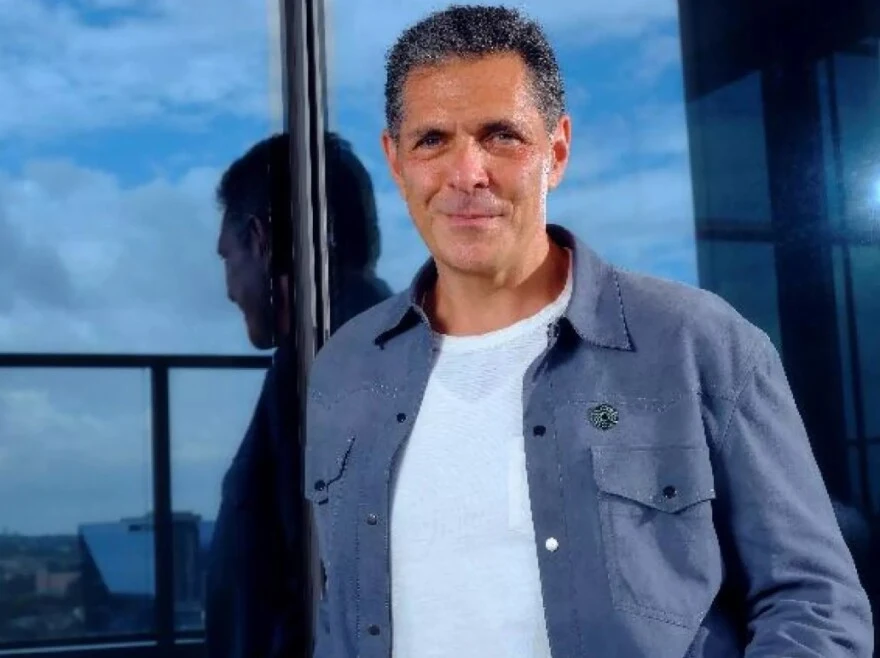
Daniel Lubetzky had endless options when it came time to name his new snack company. He picked one word: KIND.
That choice wasn’t random, and it definitely wasn’t just clever marketing. Lubetzky grew up as the son of a Holocaust survivor, and his father taught him something that would shape his entire life. Kindness isn’t weak. It’s actually one of the bravest choices a person can make, especially when the world gives them every reason to turn cold.
Years later, Lubetzky brought that same idea into one of the toughest businesses in America: the snack aisle. He wasn’t the first person to sell nutrition bars. He didn’t invent almonds, dried fruit, or see-through wrappers either. What he did do was blend all of that together with a brand that felt honest to shoppers standing in a grocery store aisle full of confusing health claims.
That simple idea grew into KIND Snacks, a company Mars later bought in a deal reportedly worth around $5 billion. It also helped push Lubetzky’s net worth to an estimated $2.3 billion.
A Childhood Shaped By Survival
Lubetzky was born in Mexico City in 1968. His father, Roman Lubetzky, had lived through Dachau as a young boy after Nazi forces invaded Poland. Roman’s family was first forced into a ghetto, then sent to the concentration camp itself. Somehow, he survived. Afterward, he moved to Mexico with Daniel’s grandfather, arriving with nearly nothing to his name.
For Daniel, this wasn’t just a story he heard at family dinners. It became the emotional core of everything he built later in life. He grew up listening to tales of cruelty, but also stories about small moments of decency — the kind of choices that could mean the difference between life and death.
Instead of turning him bitter, his father’s experience pushed Daniel toward something else entirely: bridge-building.
That single idea would define his whole career. He believed business could make money and stay human at the same time.
His First Attempt: Selling Peace Through Food
Before KIND ever existed, Lubetzky launched a company called PeaceWorks. The concept was ambitious — use food to bring people together across the Middle East, a region often torn apart by conflict.
PeaceWorks sold products like sun-dried tomato spreads, made through partnerships between Israelis, Palestinians, and other groups in the region. The goal wasn’t just profit. It was connection.
PeaceWorks never turned into a massive company, but it taught Lubetzky something important about himself. He wasn’t interested in business as a simple money-making game. He wanted to build companies that created value and pushed people toward empathy.
This is where his famous phrase came from: “not-only-for-profit.” A business could earn money while still standing for something bigger.
The Snack Aisle Had A Problem — And Lubetzky Noticed
By the early 2000s, snack bars had a branding issue. Many looked like candy bars dressed up as health food. Others leaned hard into diet buzzwords while hiding a long list of ingredients nobody could actually pronounce.
Lubetzky saw a gap. What if a snack bar just showed customers exactly what was inside? No tricks. No confusing labels. Just nuts, fruit, grains, and honey, visible right through the wrapper.
In 2004, KIND launched with exactly that pitch. The packaging was transparent, literally and figuratively. The name itself did a lot of heavy lifting too — “kind to your body” hinted at nutrition, “kind to your taste buds” promised real flavor, and “kind to the world” gave the whole brand a bigger purpose.
Looking back, it feels like an obvious idea. At the time, it was genuinely fresh thinking for the industry.
Building KIND Wasn’t Instant — It Was A Grind
KIND didn’t become a household name overnight. Lubetzky built it the hard way, one store at a time. That meant endless product sampling, retailer pitches, and fighting for shelf space against snack brands with far bigger budgets.
Trust became the company’s biggest asset. Shoppers could literally see the almonds and fruit through the package. There was no guessing game, which mattered a lot in a category packed with vague health claims and passing diet trends.
Lubetzky also knew the brand needed to walk the walk internally, not just externally. KIND couldn’t talk about kindness to customers while running like a cutthroat operation behind the scenes. So he built a company culture around transparency and shared ownership, making sure the values on the wrapper actually meant something to the people working there too.
That mix — honest ingredients, strong branding, and real internal values — is what turned KIND from a scrappy startup into a snack aisle staple across the country.
When The FDA Pushed Back, KIND Pushed Harder
One of the biggest turning points for KIND actually came from a fight with the FDA.
In 2015, regulators challenged KIND’s use of the word “healthy” on some of its products because they exceeded the government’s fat limit. The catch? Most of that fat came from almonds — an ingredient most nutrition experts actually consider one of the healthiest foods around.
KIND didn’t just roll over. The company adjusted its labeling where it had to, but it also pushed back on outdated thinking. Nuts weren’t junk food. Almonds weren’t the enemy. A snack loaded with nutrient-rich ingredients shouldn’t get penalized the same way as an empty-calorie treat, just because of an old-fashioned rule about fat content.
Eventually, the FDA allowed KIND to reuse the word “healthy” tied to its broader company mission. But the real win wasn’t just regulatory. The whole situation made KIND look principled instead of cornered, reinforcing the brand’s central message — food rules should actually make sense for real people.
The Deal That Made Him A Billionaire
Mars, the massive privately owned company behind brands like M&M’s and Snickers, first invested in KIND back in 2017. By 2020, Mars agreed to fully acquire KIND North America. The exact numbers were never made public, but reports widely valued the deal at around $5 billion.
For Lubetzky, this sale proved something he’d believed his whole career: purpose and profit don’t have to cancel each other out. He’d built a massive business around a concept some executives might have dismissed as too soft for the corporate world. Turns out, it wasn’t soft at all. It was disciplined, distinctive, and something millions of customers genuinely loved.
The acquisition made Lubetzky a billionaire and cemented KIND as one of the biggest consumer-brand success stories of the century.
From Snack Founder To Shark Tank Investor
After stepping back from day-to-day operations at KIND, Lubetzky took on a new role — joining “Shark Tank” as a full-time Shark starting with season 16. His approach on the show mirrors exactly how he built his own company.
He looks for founders with grit, self-awareness, and a sense of purpose that goes beyond just chasing the next sale.
He’s not the loudest voice at the table, and he doesn’t need to be. His credibility speaks for itself — he took a product from a rough idea to a grocery store staple, then to a multibillion-dollar exit.
Outside the show, Lubetzky has also stayed busy with philanthropic work, backing organizations like the Kind Foundation, Feed the Truth, Starts With Us, and Builders — all focused on reducing division and improving how people work together across differences.
The Real Lesson Behind The Billions
What makes Daniel Lubetzky’s story stand out isn’t just that he became incredibly wealthy. Plenty of founders manage that. What makes it worth telling is that he built his fortune without abandoning the lesson that started it all.
His father survived one of the darkest periods in history and still taught his son that kindness takes courage. Lubetzky carried that belief straight into business — first through PeaceWorks, then through KIND. He built a company around honest ingredients, honest values, and a name that asked shoppers to believe in something better.
A snack bar alone didn’t change the world. But it changed Lubetzky’s life, turned him into a billionaire, and proved something rare in modern business — you can lead with decency and still win big.
KIND started as a product people could literally see through the wrapper. But its real strength was something harder to spot: a founder who treated kindness not as a slogan, but as an actual business strategy.
For more inspiring stories of fame, fortune, and the journeys behind them, keep exploring EarlyMagazine UK — where every success story proves that purpose and profit can go hand in hand.
